Daijiworld Media Network - New Delhi
New Delhi, Jun 8: The Central government has reduced the number of subsidised LPG cylinders available annually under the Pradhan Mantri Ujjwala Yojana from nine to four, citing consumption data that indicates most beneficiary households use fewer cylinders each year.
The decision marks another revision to the subsidy structure of the flagship scheme, which was launched in 2016 to promote clean cooking fuel among economically weaker households. Initially, beneficiaries were eligible for subsidies on up to 12 LPG cylinders annually before the quota was reduced to nine cylinders last year.
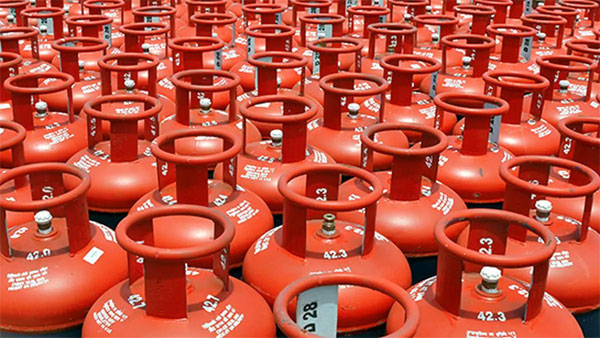
Announcing the change, Praveen Mal Khanooja, Additional Secretary in the Ministry of Petroleum and Natural Gas, said the revised limit closely reflects the average annual LPG consumption recorded among Ujjwala households.
Under the scheme, beneficiaries continue to receive a direct subsidy of Rs 300 on every 14.2-kg LPG cylinder purchased. The subsidy, credited directly into beneficiaries' bank accounts, was first introduced at Rs 200 per cylinder in 2022 and later increased to Rs 300 in 2023. Similar benefits are also extended to users of smaller 5-kg cylinders.
The reduction in subsidised refills comes against the backdrop of rising cooking gas prices. The retail price of a standard 14.2-kg domestic LPG cylinder in Delhi has increased by Rs 89 over the past three months through two separate revisions, including the latest hike announced on June 7. The current retail price stands at Rs 942 per cylinder, while PMUY beneficiaries effectively pay Rs 642 after accounting for the subsidy.
Government officials argue that despite recent price increases, domestic LPG prices in India remain relatively low compared to international markets. According to the Petroleum Ministry, the actual cost of supplying a cylinder has crossed Rs 1,600 due to a sharp increase in global LPG prices following geopolitical tensions and supply disruptions in West Asia.
India's LPG import prices are largely linked to the Saudi Contract Price (CP), a key international benchmark. Officials said the benchmark has risen significantly since February, driven by concerns over supply constraints and disruptions in the Gulf region.
Khanooja stated that the government has spent approximately Rs 52,000 crore on LPG subsidies since 2022 to shield consumers from the full impact of rising global energy costs.
He also noted that public sector oil marketing companies continue to incur substantial losses on the sale of domestic cooking gas. According to official estimates, the under-recovery on each LPG cylinder remains around Rs 700 despite the recent price revisions.
The official further claimed that fuel retailers are currently absorbing losses on petrol and diesel sales as well. Estimates provided by the ministry indicate under-recoveries of approximately Rs 6 per litre on petrol and Rs 30 per litre on diesel.
To address mounting financial pressure, oil companies have implemented multiple fuel price increases in recent weeks. Petrol and diesel prices have been raised in several phases over the past month, while compressed natural gas (CNG) rates have also been revised upward.
The latest policy adjustment reflects the government's effort to balance consumer welfare with the rising cost of fuel imports and the financial health of state-run energy companies amid a challenging global energy market.