Daijiworld Media Network – Washington
Washington, Jun 24: A proposed interim agreement between the United States and Iran has triggered a dispute over how billions of dollars in frozen Iranian assets would be used, with US President Donald Trump claiming the funds would benefit American farmers while Iranian officials strongly reject that assertion.
Trump and Vice President JD Vance have said the agreement would allow Iranian assets held abroad to be released into escrow accounts controlled by the United States and used exclusively to purchase American agricultural products and medical supplies.
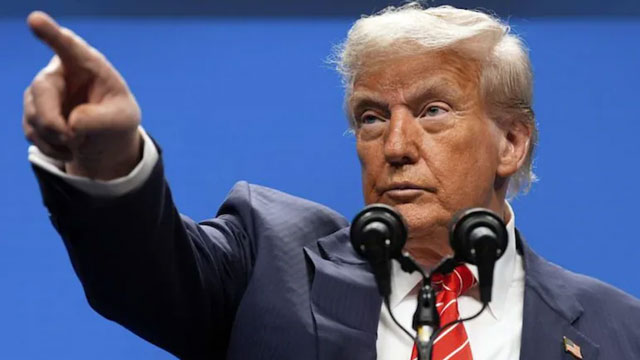
Defending the deal on his Truth Social platform, Trump said the funds would be used to buy “food and medical supplies, exclusively from the United States, including corn, wheat and soybeans from our great American farmers.”
The proposed arrangement forms part of a tentative agreement reached last week aimed at easing tensions between Washington and Tehran. The memorandum of understanding would reopen the Strait of Hormuz to unrestricted shipping and permit Iran to resume oil exports during a 60-day negotiation period while both sides work toward a broader agreement.
However, Iranian officials have disputed Washington’s interpretation of the deal.
Iranian Foreign Ministry spokesperson Esmail Baghaei said any future agricultural imports would depend on pricing and quality rather than conditions imposed by the United States.
“It is interesting that the philosophy and goal of the war, which was the destruction of Iranian civilisation and the collapse of Iran, has become enriching American farmers,” Baghaei said.
Iran’s ambassador in Geneva, Ali Bahreini, also rejected suggestions that the United States or Qatar would determine how Tehran spends its unfrozen assets.
“Iran is the only country who decides what to do with those assets,” he said.
The differing accounts have raised questions among sanctions experts regarding how the arrangement would work in practice.
Under previous sanctions regimes, revenues generated from Iranian oil exports were often held in escrow accounts abroad and could be released only for approved humanitarian purchases such as food and medicine.
Analysts noted that Iran currently sources agricultural products from countries including Brazil, India, Turkey, Canada, Australia, Argentina and members of the European Union, making any requirement to purchase solely from US suppliers potentially contentious.
On Monday, the US Treasury Department authorised the sale of Iranian oil, petrochemicals and petroleum products until August 21, though the announcement made no mention of escrow arrangements.
Experts say it remains unclear whether foreign banks handling Iranian funds would be compelled to channel payments exclusively toward purchases from American farmers.
The proposed agreement has also drawn criticism from opponents who argue it does not adequately address concerns surrounding Iran’s nuclear programme, missile development activities and support for regional militant groups.
Negotiations between Washington and Tehran are expected to continue over the coming weeks as both sides seek to finalise a broader framework agreement.