Daijiworld Media Network - Addis Ababa
Addis Ababa, Jun 29: In a major step towards reinforcing the continent's public health emergency response, the Africa Centres for Disease Control and Prevention (Africa CDC), the World Health Organization (WHO), and the Government of Uganda have jointly launched the Continental Incident Management Support Team (IMST) to coordinate efforts against the ongoing Ebola outbreak.
The new emergency coordination platform was officially inaugurated at Makerere University in Kampala, Uganda, on Saturday. It is designed to enhance Africa's preparedness, improve response mechanisms and strengthen collaboration among countries facing the threat of Ebola and other infectious diseases.
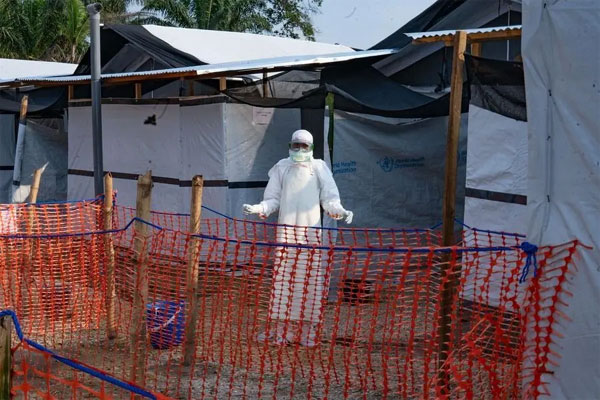
According to a statement issued by the Africa CDC, the IMST will provide technical expertise, operational coordination and emergency support to Uganda, the Democratic Republic of the Congo (DRC) and neighbouring countries considered vulnerable to the spread of the Bundibugyo strain of the Ebola virus.
The continental health agency described the launch as a landmark initiative that reinforces Africa's commitment to developing faster, more coordinated and nationally driven responses to increasingly complex public health emergencies.
Africa CDC said the unified platform represents a collaborative effort involving the WHO, African Union member states and regional partners to strengthen the continent's overall health security architecture. It also emphasised the importance of cross-border cooperation and regional preparedness in containing disease outbreaks before they spread further.
The Incident Management Support Team will operate under the guiding principles of "one team, one plan and one budget," bringing together specialists from multiple disciplines, including disease surveillance, laboratory services, case management, infection prevention and control, emergency logistics, operations, risk communication, information management and partner coordination.
Officials believe this integrated approach will improve the speed and efficiency of outbreak detection, response planning and emergency interventions across the region.
Ebola is a highly infectious viral disease that affects humans and certain species of animals, including non-human primates. The virus is primarily transmitted from infected wild animals such as fruit bats and primates before spreading between humans through direct contact with infected blood, bodily fluids, organs or contaminated materials.
Health experts note that Ebola remains one of the world's deadliest infectious diseases, with an average fatality rate of around 50 per cent, although mortality has varied between 25 and 90 per cent during previous outbreaks depending on the strain and access to medical care.
The disease was first identified in 1976 during simultaneous outbreaks in Central Africa. The largest Ebola epidemic occurred between 2014 and 2016 in West Africa, beginning in Guinea before spreading to Sierra Leone and Liberia. That outbreak claimed more lives than all previous Ebola outbreaks combined and highlighted the urgent need for stronger regional coordination and emergency preparedness across the African continent.