Daijiworld Media Network - Seoul
Seoul, Aug 10: South Korean researchers are developing a potential next-generation cancer treatment that uses CRISPR gene-editing technology to selectively destroy DNA mutations found in cancer cells while leaving healthy cells unharmed.
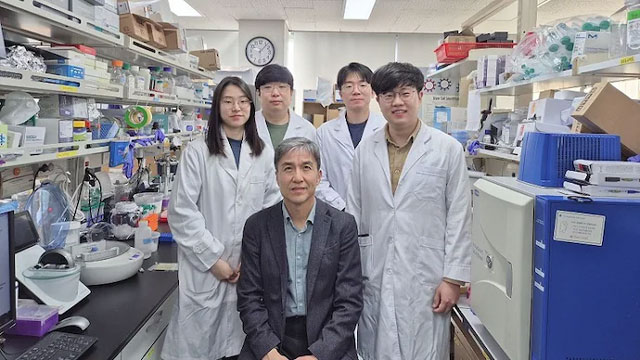
The technology, called CINDELA, has been developed by a research team led by Myung Kyung-jae, director of the Center for Genomic Integrity at the Institute for Basic Science (IBS).
CINDELA uses CRISPR-Cas9 to cut DNA sequences created by mutations that are unique to cancer cells. Since normal cells do not carry these mutation sequences, the approach is designed to minimise damage to healthy tissue.
Researchers said the technology has caused cancer-cell death in more than 10 types of cancer, including colorectal, breast and blood cancers. Tests in mice have also shown suppressed tumour growth, with recent experiments recording tumour reduction in mice with liver cancer.
Unlike conventional chemotherapy and radiation, which can damage rapidly dividing healthy cells and cause side effects such as hair loss, diarrhoea and weakened immunity, CINDELA aims to directly target differences between cancer and normal cells.
The researchers believe the technology could potentially be used across cancer types because cancer cells contain thousands of mutations that distinguish them from healthy cells.
The long-term goal is to develop personalised CRISPR treatments for individual patients. By comparing cancer tissue with normal cells, researchers could identify mutations unique to a patient's tumour and design CRISPR molecules to target them. The team estimates that automation could eventually reduce the process from genome analysis to treatment development to around one month.
However, challenges remain, particularly in safely delivering CRISPR components to cancer cells inside the body. Researchers are testing lipid nanoparticles (LNPs), similar to the technology used in COVID-19 mRNA vaccines, to deliver the required proteins and RNA.
The team is also studying mutations commonly found in multiple patients so that some treatments can be prepared in advance rather than customised entirely from scratch.
CINDELA has been transferred to a startup for further development and is preparing for preclinical trials. Researchers estimate that, if safety and delivery challenges are successfully addressed, the technology could potentially enter clinical use within five to 10 years.