Daijiworld Media Network - Washington
Washington, Sep 27: Microsoft co-founder Bill Gates has called for stronger government oversight of artificial intelligence, warning that unchecked AI could be used in ways capable of causing catastrophic loss of life and arguing that self-regulation by technology companies will not be sufficient.
In an interview with NBC's Meet the Press host Kristen Welker, Gates said US lawmakers and law-enforcement agencies needed to be involved in establishing safeguards and monitoring requirements for the rapidly developing technology.
“You need law enforcement and the politicians to get into the discussion about what safeguards and monitoring look like,” Gates said, adding that such measures should be mandatory. He acknowledged that regulation would create additional costs for the AI industry but said it need not significantly slow technological development.
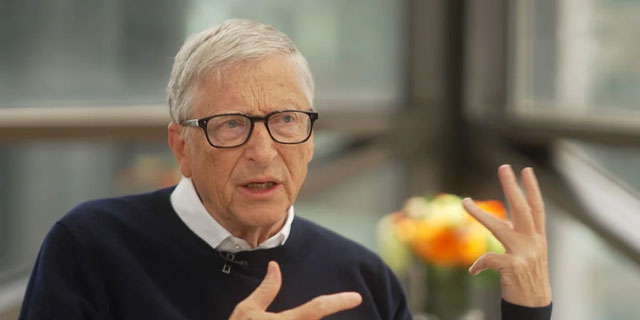
In another part of the interview, Gates warned that AI in the hands of people with malicious intentions could become powerful enough to cause events resulting in “a billion deaths”. He described the combination of advanced AI tools and people with harmful intentions as an unprecedented threat.
Gates' warning follows an essay he published on August 26 in which he outlined what he sees as major risks associated with the rapid development of AI. He wrote that AI was becoming increasingly capable and that even criminals with limited technical skills could eventually use the technology to target individuals, companies and governments.
In the essay, Gates highlighted AI-enabled fraud, disinformation, deepfakes and surveillance, as well as the growing potential for AI-assisted cyberattacks. He also warned that the technology could make it easier for malicious actors to develop biological threats and could increase the destructive capabilities of autonomous weapons.
Gates has argued that AI systems could also create risks by concentrating power in the hands of governments and other institutions. He said monitoring and manipulating public opinion could become easier and more effective as AI capabilities advance.
At the same time, Gates has stressed that he remains optimistic about the potential benefits of AI. In his August essay, he said AI could accelerate the development of medicines and vaccines, assist healthcare workers and improve education and agriculture, while warning that governments and technology companies would need to work together to ensure those benefits are widely shared.
Gates has also called for a new domestic and international framework to manage AI. He said existing institutions were not designed to oversee a technology that is developing rapidly and affects areas ranging from national security and employment to healthcare, elections, finance and law enforcement.
The latest comments add to growing international debate over AI safety and regulation. Gates has previously said the two major challenges over the coming decade would be the use of AI by malicious actors and disruption to the job market, arguing that the technology needs to be deliberately developed, governed and deployed.
Asked by Welker whether he avoids using AI in any part of his personal life, Gates joked that he does not use it for personal relationships. “I don't socialize with the AI,” he said, adding with a smile that the technology knows he is “a very serious person.”
The interview comes as governments and technology companies continue to debate how to balance rapid AI development with safeguards against misuse, cyberattacks, biological threats and other potential risks.