Daijiworld Media Network - New Delhi
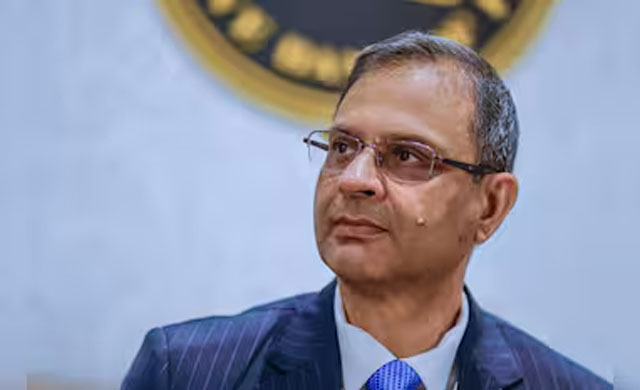
New Delhi, Oct 3: India has maintained a cautious approach towards cryptocurrencies while encouraging the development and use of underlying technologies such as distributed ledger technology and tokenisation, Reserve Bank of India Governor Sanjay Malhotra said on Saturday.
Speaking at the Kautilya Economic Conclave, Malhotra said India supports innovation in technologies underlying crypto assets, including distributed ledger technology and tokenisation. However, he said the country remains cautious about cryptocurrencies because of concerns related to monetary sovereignty, monetary policy and capital flows.
“So, our approach has been to promote the underlying technologies, and we are using some of these in the central bank and outside in PPP (public-private partnership) mode. But insofar as crypto is concerned, it has been a cautious approach,” he said.
Elaborating on the concerns surrounding cryptocurrencies, Malhotra said the issue was linked to the “singleness of money” and could have implications for monetary policy, particularly in emerging market economies where restrictions on capital flows are in place.
“The problem that you are trying to address is primarily not so much of domestic payments, because domestic payments within our country and in many countries now are quite fast, cheap and convenient,” he said.
According to Malhotra, the more significant challenge lies in cross-border payments. He said alternative solutions, including central bank digital currencies (CBDCs), could be explored to address such challenges.
On rising public debt and hardening bond yields globally, Malhotra said movements in yields were essentially determined by demand and supply.
He said government and private-sector spending had increased, including spending linked to artificial intelligence (AI), contributing to higher bond yields and debt levels.
“Money is scarce, spending has increased, both by the government as well as private enterprises, led by AI, and so that's what is leading to the hardening of the bond yields and debts,” he said.
Malhotra said the RBI's monetary policy primarily focuses on domestic growth and inflation dynamics. However, global interest rates also have implications for India, including through their impact on real interest rates in the country.
“That is something that we need to take care of,” he said.