Daijiworld Media Network - New Delhi
New Delhi, Oct 17: Mobile phone users in India will soon be able to identify callers more easily, with the Department of Telecommunications (DoT) directing telecom operators to introduce Calling Name Presentation (CNAP) from November 1, 2026. The feature is designed to display the caller's name along with the phone number, even if the number has not been saved in the recipient's contacts.
The service is expected to be activated by default on supported 4G and 5G networks, meaning users will not need to install an application or manually enable the feature.
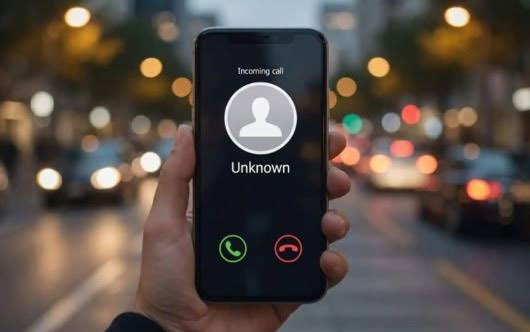
Under the CNAP system, a caller's name will be retrieved from the telecom operator's subscriber database and displayed on the recipient's phone. If the number is already saved in the recipient's contact list, the phone will continue to display the name stored by the user. Calls originating internationally will be identified as ‘International Call’.
Telecom operators will be required to maintain updated subscriber records linking mobile numbers to the corresponding names to ensure the system functions properly.
Privacy and business caller identification
The DoT has also outlined safeguards to protect users' privacy. According to the guidelines described in reports, information exchanged to display the caller's name must be deleted after the call ends. If a caller has activated the Calling Line Identification Restriction (CLIR) facility to conceal their identity, CNAP will not disclose their name.
Businesses and organisations using multiple phone numbers will also be able to seek a preferred caller display name. However, the name must be supported by a registered trademark or a trade name recognised under the Goods and Services Tax (GST) system. Telecom operators will verify the relevant documents before approving such names.
Initially, CNAP is expected to be available on 4G and newer networks. The possibility of extending the facility to 2G and 3G networks and conventional landline connections is still under consideration.
The move follows trials and consultations involving the Telecom Regulatory Authority of India (TRAI), which favoured default activation rather than requiring subscribers to register individually.
The initiative aims to help users identify incoming callers and make informed decisions about answering calls. However, authorities and telecom users are cautioned that a displayed name alone does not guarantee that a call is genuine, and vigilance against fraud remains necessary.