Daijiworld Media Network – Bantwal (AB)
Bantwal, Dec 6: The district often makes headlines for communal conflicts, with even minor incidents taking on a communal tone and creating an atmosphere of fear. However, amid such a backdrop, a unique Uroos celebration in Dakshina Kannada (DK) has been silently upholding and showcasing communal harmony for centuries.
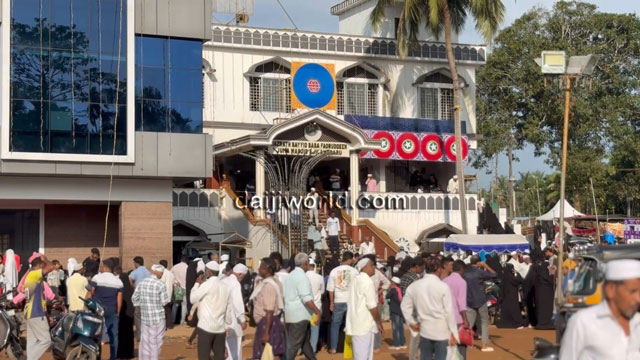
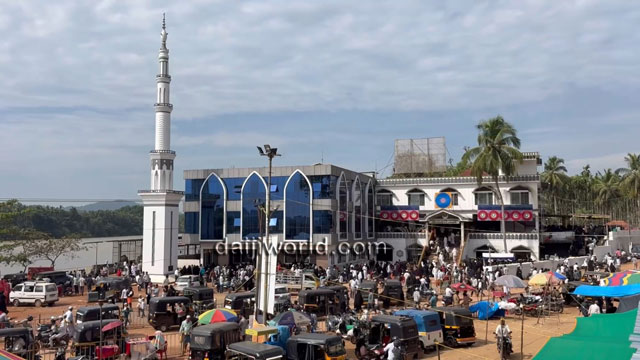
The historic Malida Uroos, celebrated annually at the Ajilamogaru Mosque in Bantwal taluk in honour of Hazrat Sayyid Baba Fakhruddin Aulia, stands as a remarkable example of unity. This year marks the 753rd Uroos, and the distribution of Malida as prasada remains the highlight of the event, symbolising harmony and brotherhood.
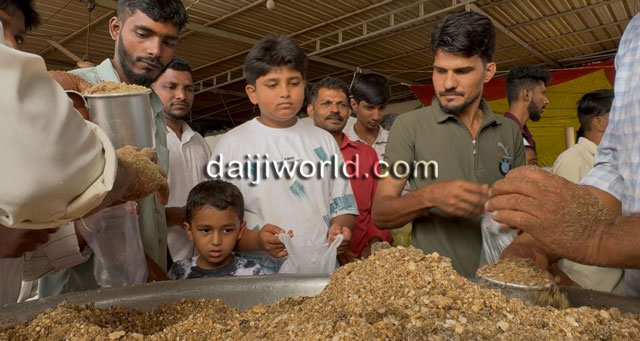
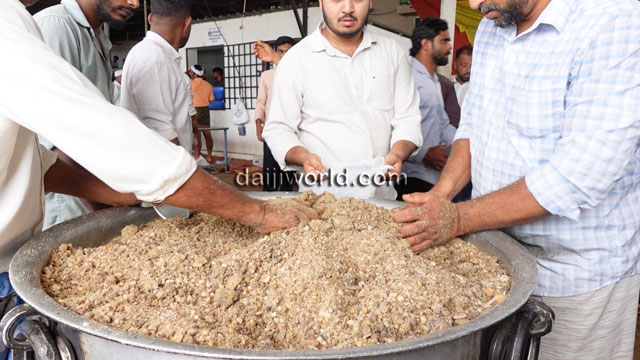
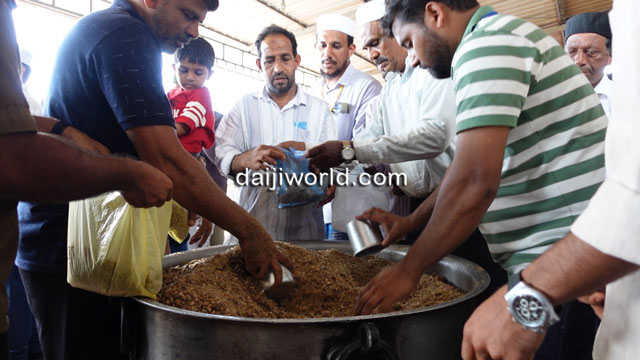
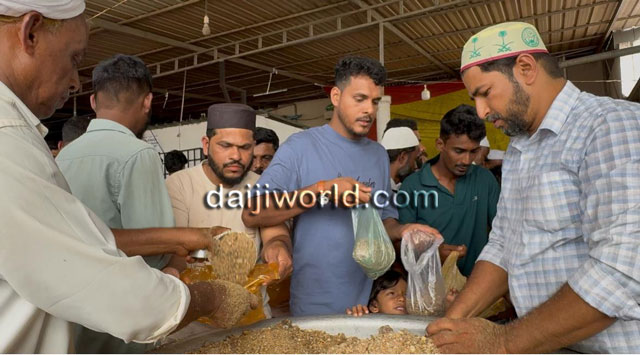
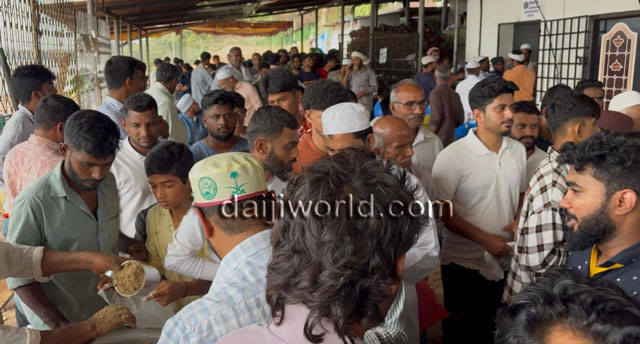
What is Malida?
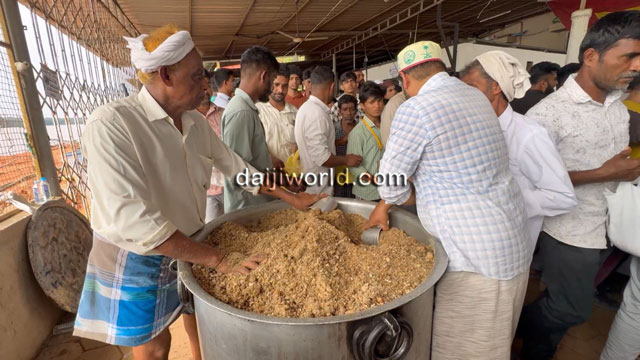
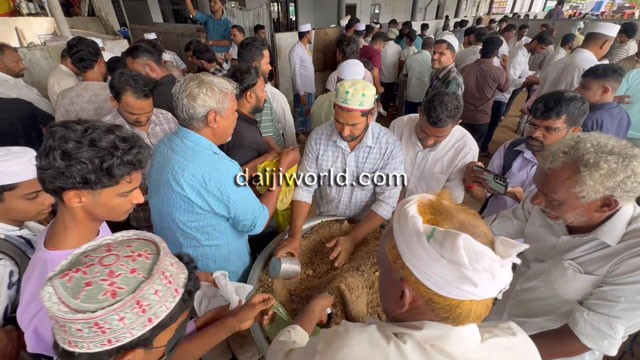
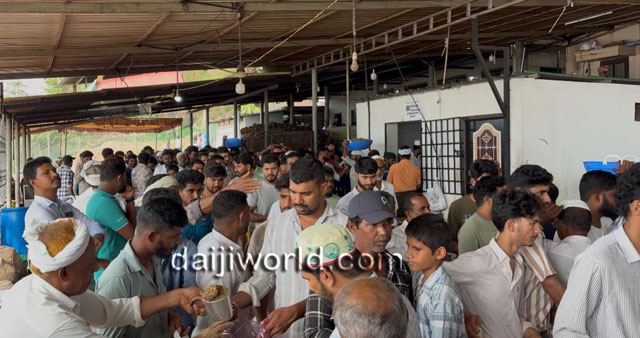
Earlier, the Malida Uroos was observed for three days both day and night. Now, it is celebrated for five days, from morning till 11 pm. Malida, the favourite sweet dish of Hazrat Sayyid Baba Fakhruddin Aulia, is prepared in the mosque and distributed to devotees.
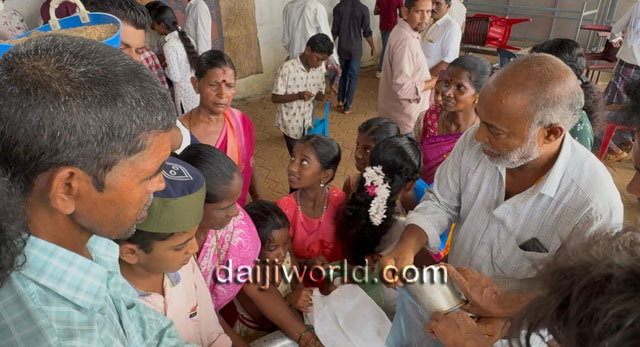
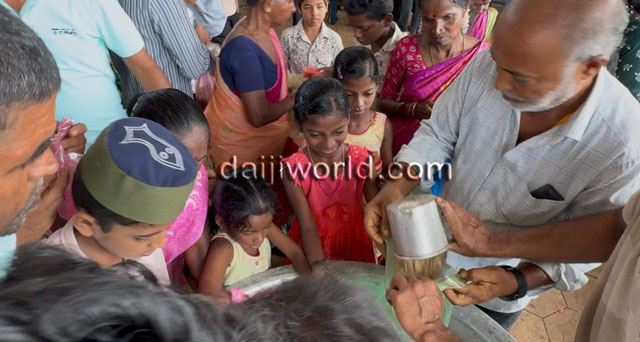
Malida is made by preparing thick rice rotti, mixing it with jaggery and ghee, and boiling it into a sweet dish. In the second phase, Muslim families from nearby villages prepare Malida at home and bring it to the mosque. In a touching display of communal bonding, Hindu devotees contribute the necessary ingredients, which are collected at the mosque and distributed to both Hindu and Muslim devotees participating in the Uroos.
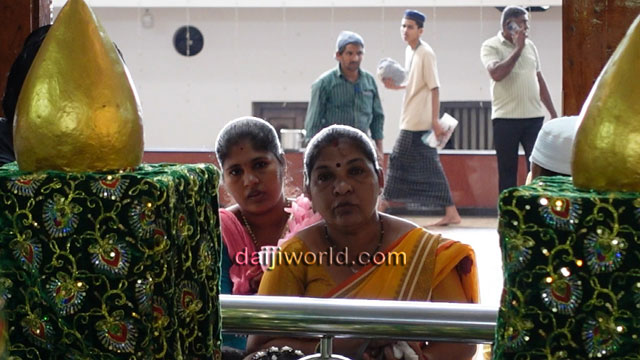
A celebration for all faiths
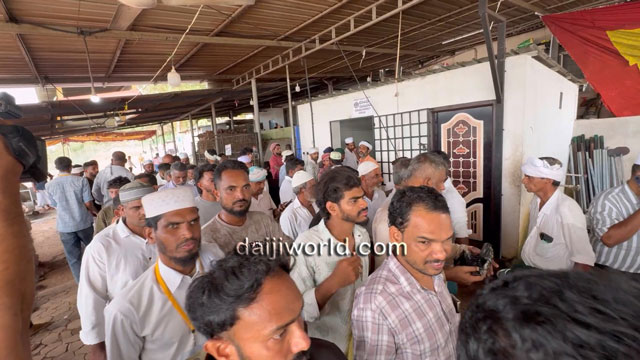
Devotees from Karnataka, Kerala, and neighbouring states participate in the Uroos with devotion. Everyone, irrespective of religion, gladly receives Malida prasada, reinforcing the message of harmony.
A mosque with 800 years of heritage
Hazrat Sayyid Baba Fakhruddin Aulia, once a king of a region on the Afghanistan–Persian border, renounced worldly life for the welfare of humanity. Travelling across nations, he arrived at Ajilamogaru and established the mosque 800 years ago. The mosque today is not only a place of daily prayer but also a centre for spiritual and social activities.
A symbol of harmony on the banks of Netravati
The Ajilamogaru Mosque stands on one side of the Netravati river, while the Lakshmi Narasimha Temple stands on the opposite bank. A bridge currently under construction connecting the two is aptly named the Souharda Setu (Harmony Bridge). Elders say no communal clashes or disharmony have ever occurred here. Ajilamogaru has thus become a model for the state, drawing Hindu women married off elsewhere back to their maternal homes during Uroos as part of village tradition.
The sacred history of Malida
Ajilamogaru Mosque Khateeb Mudariss Twakha Ahmad Sahadi explains, “Malida is a special traditional prasada made of rice, jaggery, and ghee. The word Malida itself suggests it is a remedy for ailments. Hazrat Sayyid Baba Fakhruddin Aulia loved Malida, and people began preparing it for health, recovery, or fulfilment of vows. Many bring Malida from neighbouring villages and districts as an offering.”
Mosque president Abdul Hameed adds, “Malida is sacred. It was the favourite sweet of Hazrat Sayyid Baba Fakhruddin Aulia. Here, Hindus and Muslims alike receive it with devotion.”
Ajilamogaru resident Sanjeev Poojary says, “Malida prasada is revered by both Muslims and Hindus. People of all faiths contribute the ingredients. We stand in queues day and night to receive it. We volunteer during Uroos every year.”
Another resident, Vishwanath Shetty, shares, “This place is sacred to us. We Hindus worship here even more than Muslims. When our children fall ill, the elders at the mosque pray and tie a sacred thread, and they recover. I have been receiving this prasada for 60 years.”
The timeless Malida Uroos continues to strengthen communal harmony, standing as a shining example of unity beyond religion in Dakshina Kannada.