Daijiworld Media Network - Mumbai
Mumbai, Jan 3: The battle for control of Maharashtra’s urban local bodies is set to be intense, with 15,931 candidates contesting elections to 29 municipal corporations scheduled for January 15, according to figures released by the State Election Commission (SEC).
The elections will cover 2,869 corporator seats across 893 electoral panels, making it one of the largest civic electoral exercises in the state. The SEC said that while 33,427 nomination papers were initially filed, scrutiny cleared 24,771 candidates. Of these, 8,840 candidates withdrew their nominations by the January 2 deadline, leaving the final field at just under 16,000.
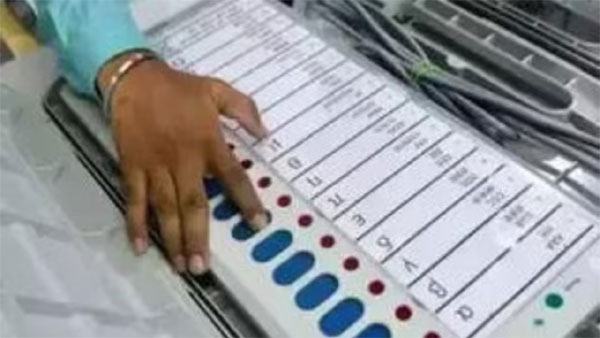
The Brihanmumbai Municipal Corporation (BMC) remains the most keenly watched contest, with 1,700 candidates vying for 227 seats, underscoring Mumbai’s status as the biggest political prize in the civic elections. Other major urban centres such as Pune and Nashik have also emerged as high-intensity battlegrounds.
At the other end of the spectrum, Ichalkaranji will see the smallest contest in terms of numbers, with 230 candidates fighting for 65 seats. Panvel recorded the lowest number of withdrawals, with only 88 candidates stepping aside, pointing to relatively stable alignments.
SEC data highlights a striking trend of strategic exits. More than 35 per cent of candidates whose nominations were found valid eventually withdrew, largely due to last-minute political negotiations, seat-sharing arrangements and alliance adjustments among parties.
With nominations finalised, all 893 panels have now entered the full-scale campaigning phase, as political parties and independents intensify their outreach ahead of polling day.
Overall, the state is witnessing an average of 5.55 candidates per seat, though competition levels vary sharply across cities. Mumbai (BMC) and Chhatrapati Sambhajinagar top the chart, with over seven candidates per seat, reflecting a fragmented political space and a strong presence of independents and rebels.
In contrast, Ichalkaranji and Dhule show relatively straightforward contests, averaging around 3.5 candidates per seat, indicating more consolidated battles between major political forces.
Pune stands out as a case study in tactical withdrawals. Of the 3,061 nominations filed, 2,134 were validated, but 968 candidates withdrew before the deadline. Despite this, Pune still has a high contest density of 7.07 candidates per seat, keeping the race wide open.
Among cities with heavy withdrawals, Nashik leads with 661 candidates stepping out, followed by Chhatrapati Sambhajinagar (552) and Solapur (532)—a pattern often linked to internal party discipline and efforts to manage rebel candidates.
Meanwhile, Panvel emerges as the least crowded contest in Maharashtra, with just 3.27 candidates per seat, suggesting a largely bipolar fight between the dominant political blocs.
As campaigning gains momentum, the results of these elections are expected to play a crucial role in shaping local governance and setting the political tone in Maharashtra’s major urban centres.