Daijiworld Media Network – Mangaluru
Mangaluru, Jan 4: Mangaluru has received a major boost towards introducing electric buses, with MESCOM and KPTCL granting approval for setting up charging points at the Kuntikan KSRTC depot and the Bejai bus stand. Once central government funding is released, work on the charging infrastructure will commence, accelerating the rollout of electric bus services within the city.
The proposal to operate electric buses in Mangaluru has been under discussion for the past few years. However, the project had slowed due to the lack of technical approvals. This time, MESCOM has cleared the charging point installation, while KPTCL has also granted approval for power supply ranging from 3,000 to 4,000 kV.
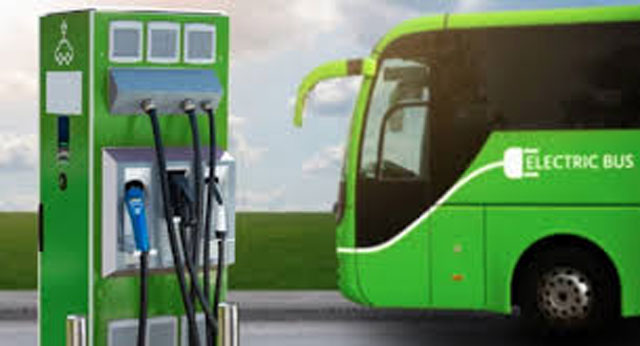
With these approvals in place, hurdles to starting the charging point works have been removed. The project is now awaiting the release of funds from the Centre, after which work will begin immediately. In the first phase, 50 electric buses are expected to be introduced on Mangaluru roads within the next six months. By the end of the year, another 50 electric buses will be added, taking the total to 100.
Under the KSRTC Mangaluru division, government buses currently operate on 43 routes. Once the new electric buses are introduced, they will initially operate on existing routes served by older buses. The older buses may then be shifted to other areas, including locations that previously did not have dedicated routes. With the addition of new buses, the overall number of services will increase, and new routes may emerge in certain areas using the older buses. This is expected to benefit passengers significantly. There is also renewed hope that the benefits of the state government’s Shakti scheme will further increase in the Mangaluru city region.
For electric buses to be introduced in Mangaluru city, two key conditions must be fulfilled. One is sufficient passenger demand on the proposed routes. The other is the quality of roads on which these buses will operate. Good road conditions are essential for smooth and uninterrupted operation of electric buses. If road conditions are poor, operating these buses, like conventional buses, could become difficult.
Charging facilities for electric buses will be provided at two key locations. At the Kuntikan bus depot, charging arrangements will be made for buses that halt there overnight. A charging duration of around three hours will enable the buses to operate smoothly. Additionally, for emergency or top-up charging requirements, a separate charging point will be set up at the Bejai bus stand, officials said.
“Mangaluru has completed the tender process for the purchase of 100 electric buses. The buses will arrive in two phases, and all preparatory works required for this have been completed. By the end of next year, these buses will be available for passenger services,” said Dakshina Kannada deputy commissioner Darshan H V.
KSRTC divisional controller Rajesh Shetty said electric buses offer greater benefits to passengers, especially due to the absence of noise pollution. “The city will also be relieved from noise pollution. Travel experience will be much better. A lot of work is underway in this direction, though technical approvals are required in some areas,” he said.