Daijiworld Media Network – New Delhi
New Delhi, Jan 20: The Nipah virus (NiV), a highly dangerous zoonotic infection with a fatality rate ranging between 40% and 75%, has once again raised alarm following reports of an outbreak in West Bengal. Health experts have stressed the importance of early detection, public awareness and preventive measures to contain the spread of the virus, which has no approved vaccine or specific antiviral treatment.
Nipah virus belongs to the Henipavirus genus and is primarily carried by fruit bats of the Pteropus species. Humans are typically infected through consumption of food contaminated with bat saliva, urine or faeces, or through direct contact with infected individuals.
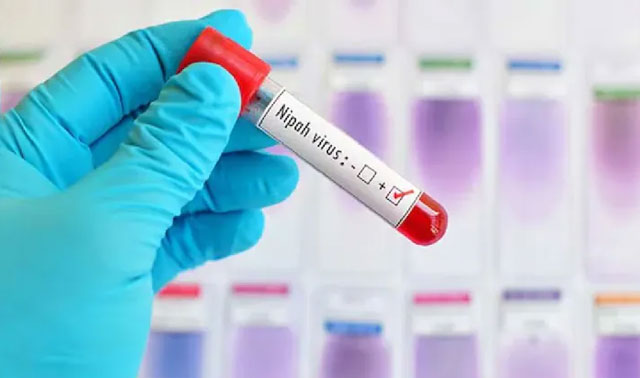
“Once a human is infected, human-to-human transmission is also possible, especially in close-contact settings,” said Dr Neha Mishra, Consultant in Infectious Diseases at Manipal Hospital, Old Airport Road. She added that delayed detection often worsens outcomes, as early symptoms can be mild or non-specific.
First identified in 1998, Nipah virus has caused outbreaks in Bangladesh, India, Malaysia, Singapore and the Philippines. In India, outbreaks have been reported in West Bengal and Kerala, with the 2018 Kerala outbreak often cited as a model for effective containment through rapid surveillance, contact tracing and isolation.
Early symptoms of Nipah infection include high fever, headache, muscle pain and sore throat, which can resemble common viral illnesses. In several cases, patients develop respiratory distress, increasing the risk of transmission. The disease can progress rapidly to severe neurological complications such as encephalitis, seizures, confusion and coma.
“One of the challenges with Nipah virus infection is that it may initially be asymptomatic or mild, making early detection difficult and increasing the risk of unnoticed spread,” Dr Mishra explained.
Outbreaks are often linked to seasonal fruit bat activity and cultural practices such as consuming raw date palm sap, particularly during winter and spring. Health officials have repeatedly advised against consuming raw or partially processed foods that may be exposed to bats.
“There is currently no approved vaccine or proven antiviral therapy for Nipah virus. Treatment is largely supportive, and once severe symptoms develop, the disease can progress rapidly,” Dr Mishra said.
Experts emphasise that prevention remains the most effective strategy. Avoiding raw date palm sap, ensuring fruits are washed and protected from bats, maintaining strict hand hygiene, and using protective equipment when handling animals can significantly reduce infection risk.
Doctors have also urged people in affected regions to seek immediate medical attention if they develop fever or respiratory symptoms, especially after known exposure to bats, contaminated food or infected individuals. Early diagnosis through laboratory testing can help initiate timely care and trigger public health measures to prevent further spread.
With its high fatality rate and limited treatment options, Nipah virus continues to pose a serious public health challenge, underlining the need for vigilance, awareness and swift medical response.