Daijiworld Media Network – New Delhi
New Delhi, Jan 31: India has added two new wetlands — Chhari Dhand in Gujarat and Patna Bird Sanctuary in Uttar Pradesh — to the List of Wetlands of International Importance (Ramsar List), taking the country’s total Ramsar Sites to 98.
Chhari Dhand (Site No. 2588) is a seasonal saline wetland located between the arid grasslands of Banni and the salt flats of Kachchh. The wetland floods during the monsoon, forming extensive water bodies that support a wide range of flora and fauna. Among the notable plant species found here are Indian gum tragacanth (Sterculia urens) and the critically endangered Indian bdellium-tree (Commiphora wightii), both adapted to the region’s harsh arid conditions.
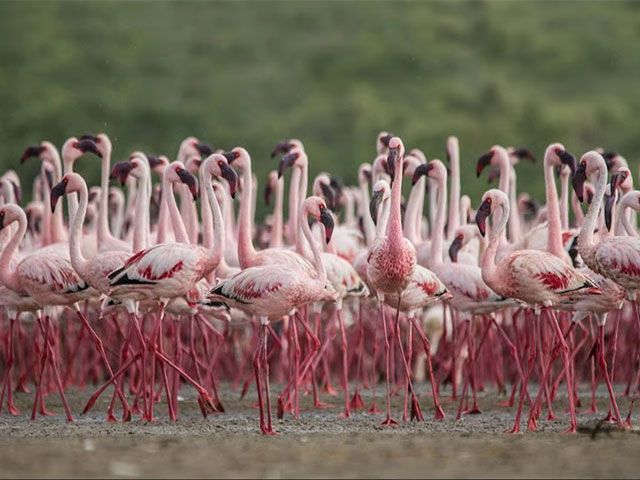
The wetland is also an important wintering ground for waterfowl, hosting species such as the critically endangered sociable lapwing (Vanellus gregarius) and the vulnerable common pochard (Aythya ferina). Around 30,000 common cranes (Grus grus) are reported to visit the site every year. However, officials noted that invasive species remain a major threat, though restoration plans are underway with the involvement of government agencies, NGOs and local community groups to strengthen long-term conservation.
The Patna Bird Sanctuary (Site No. 2589) in Uttar Pradesh comprises freshwater marshes, woodlands and grasslands, surrounded by agricultural fields. The sanctuary supports rich biodiversity, with 178 bird species and 252 plant species recorded. It is considered crucial for waterbird populations and has been identified as an Important Bird and Biodiversity Area (IBA) by BirdLife International. The site also provides habitat for larger wildlife, including the regionally vulnerable broad-snouted crocodile (Crocodylus palustris).
While the sanctuary attracts religious tourists and nature enthusiasts, these activities — along with invasive species — are said to be putting increasing pressure on the ecosystem.
Conservation steps are being implemented to address the challenges, including removal of invasive plants, regulation and monitoring of tourism, and continued surveillance of migratory birds and avian influenza.