Media Release
Mangaluru, Feb 4: St Joseph Engineering College (SJEC), Mangaluru, had the distinguished honour of hosting Juan Antonio March Pujol, ambassador of Spain to India, on Tuesday, February 3. The visit was organised as an academic and intellectual interaction with students and faculty, focusing on global perspectives, diplomacy, education and the transformative role of artificial intelligence (AI).
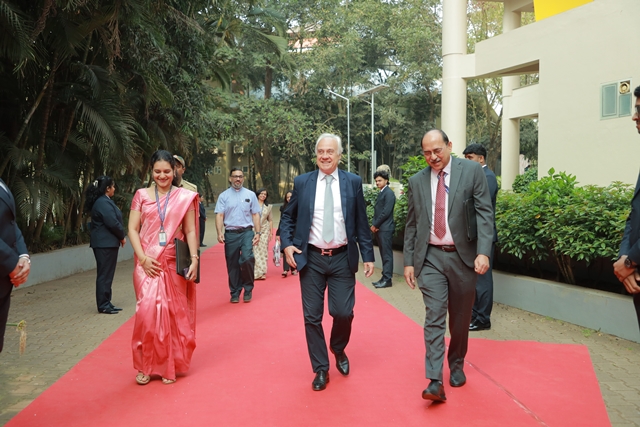
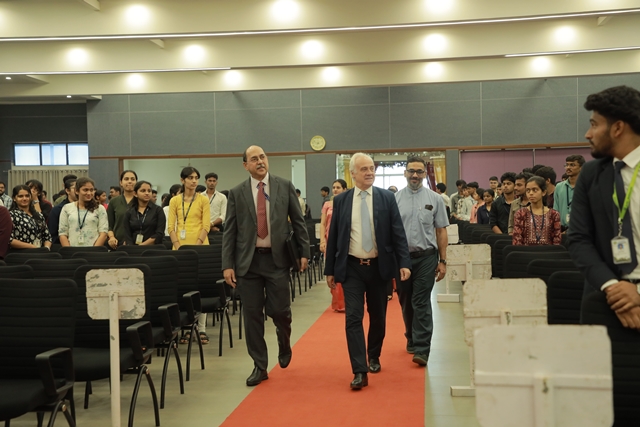
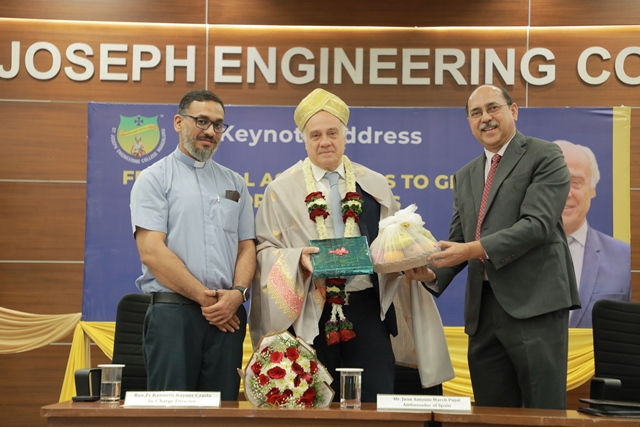
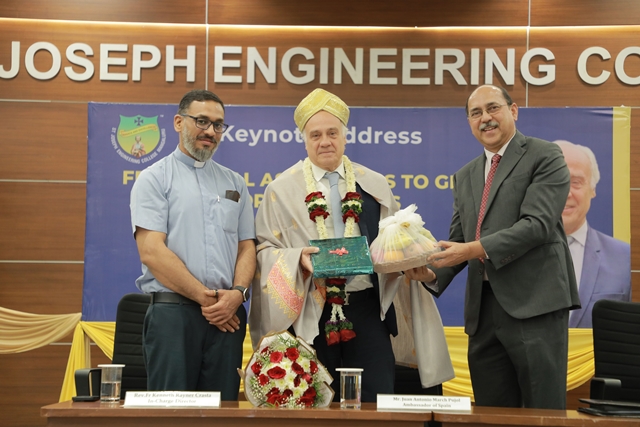
The programme began with an invocation prayer, followed by a video presentation showcasing the heritage, academic excellence and achievements of SJEC. The dignitaries were then escorted to the dais by the principal Dr Rio D’Souza. Dr Prakash Pinto, dean–MBA, delivered the welcome address, warmly greeting the ambassador and briefly outlining his distinguished diplomatic journey and global contributions. As part of traditional Indian hospitality, Fr Kenneth Rayner Crasta, in-charge director, accorded a floral welcome to Juan Antonio March Pujol.
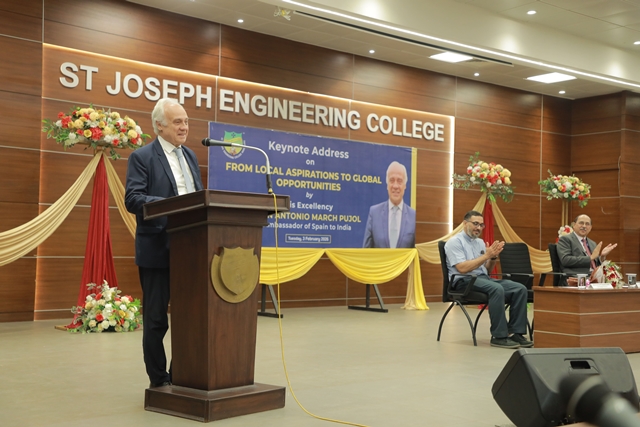
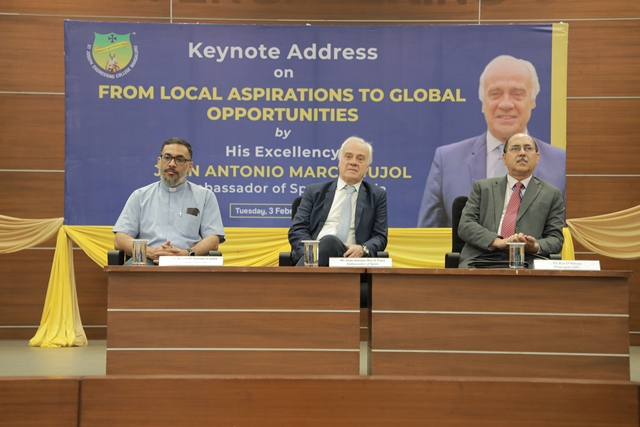
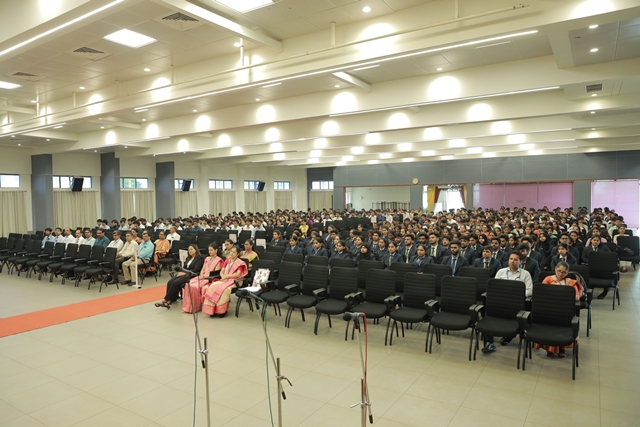
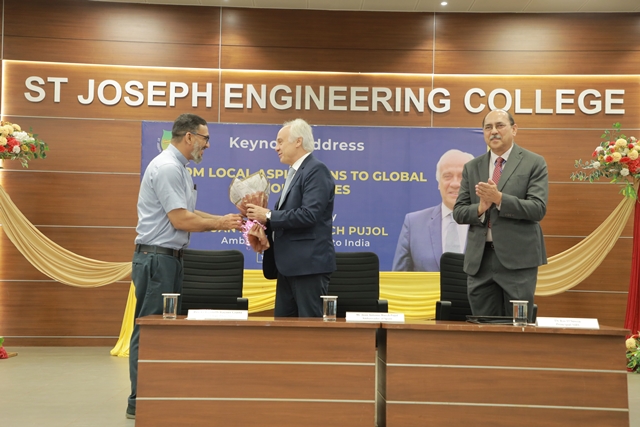
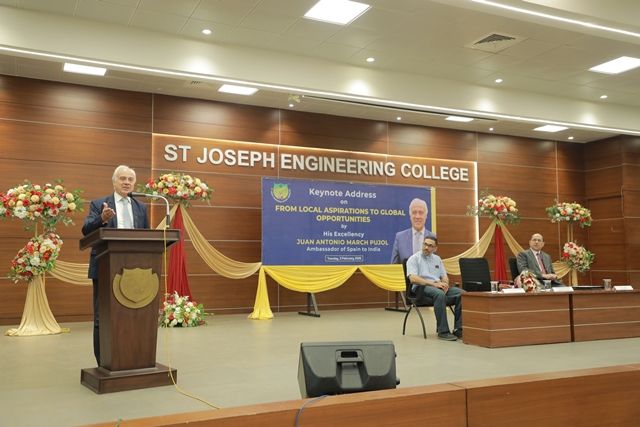
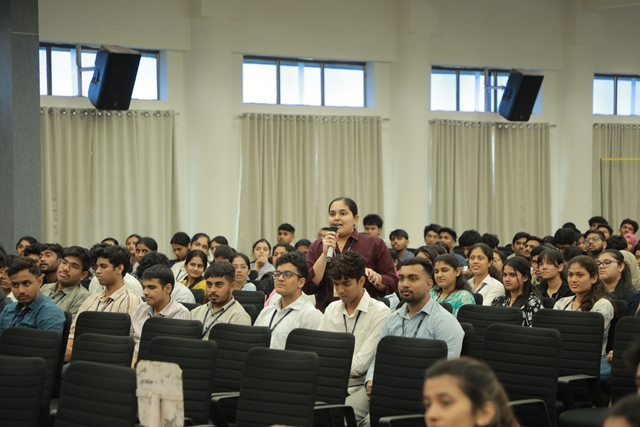
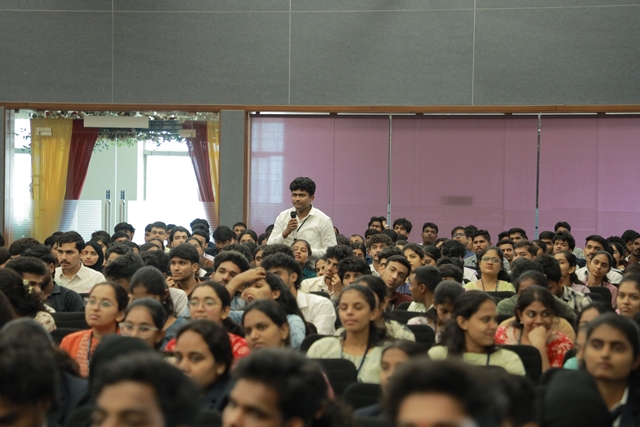
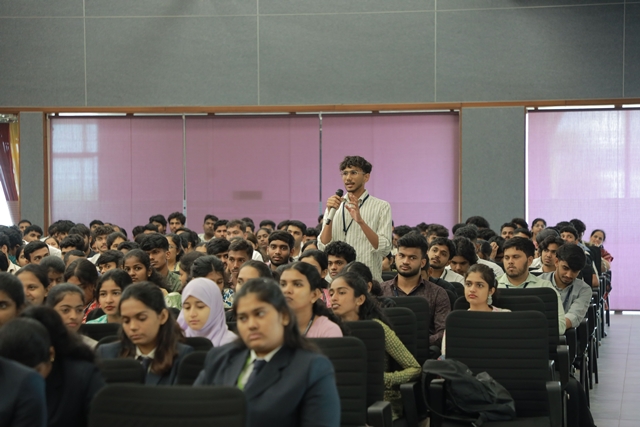
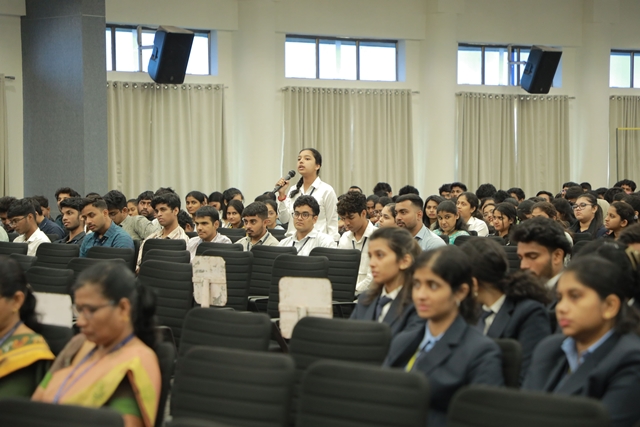
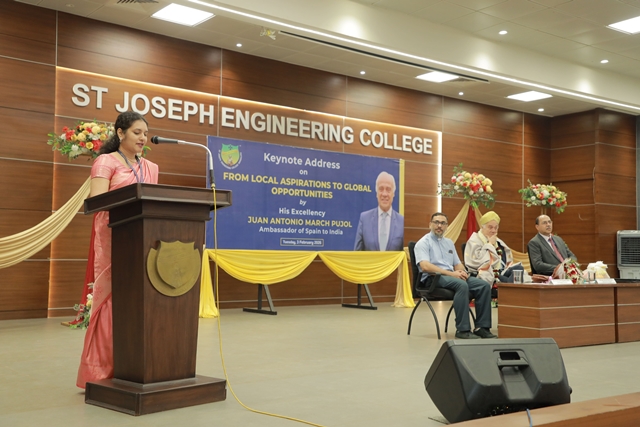
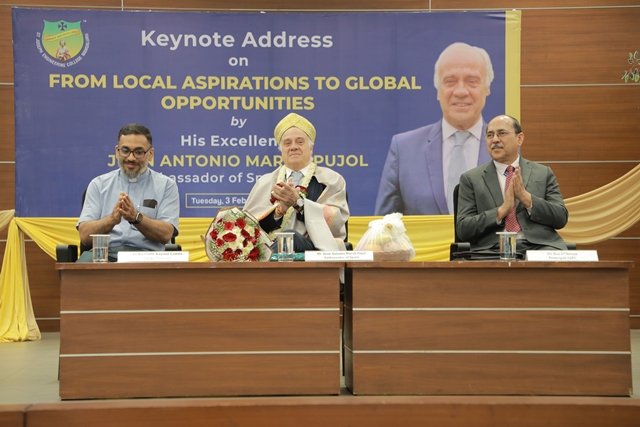

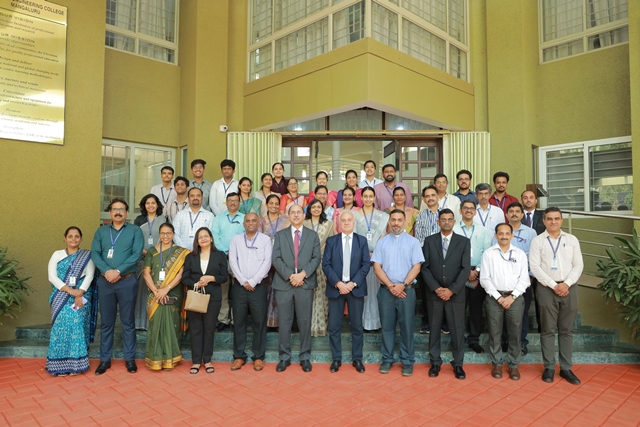
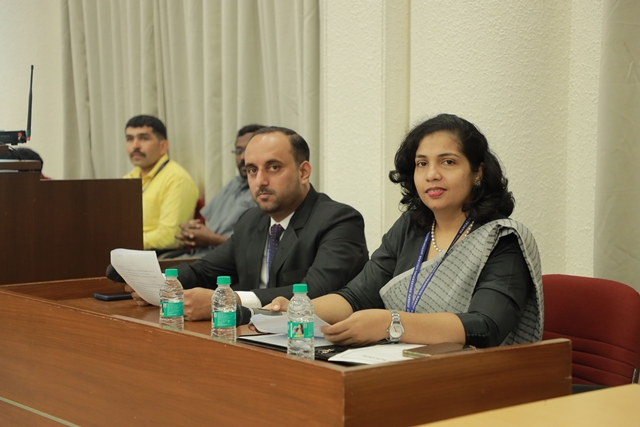
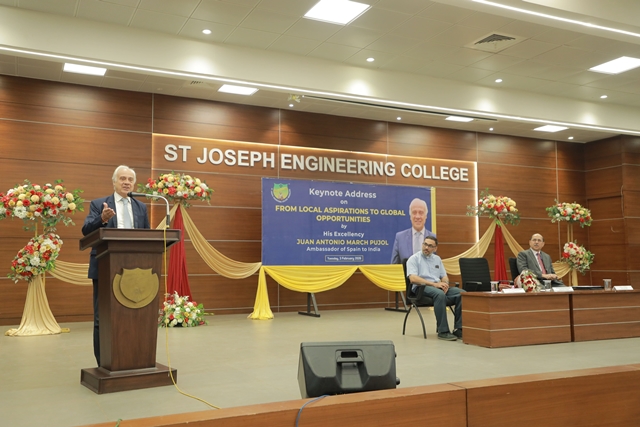

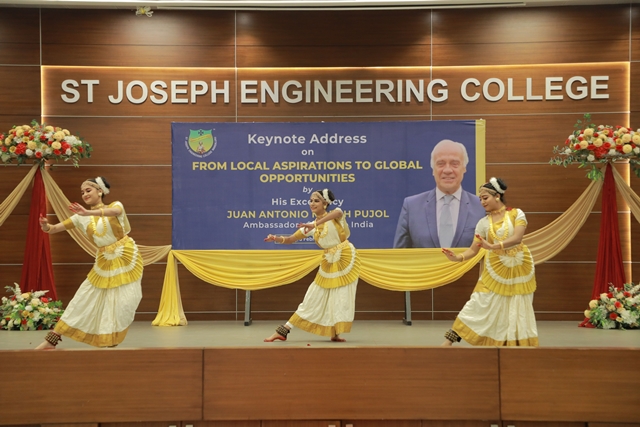
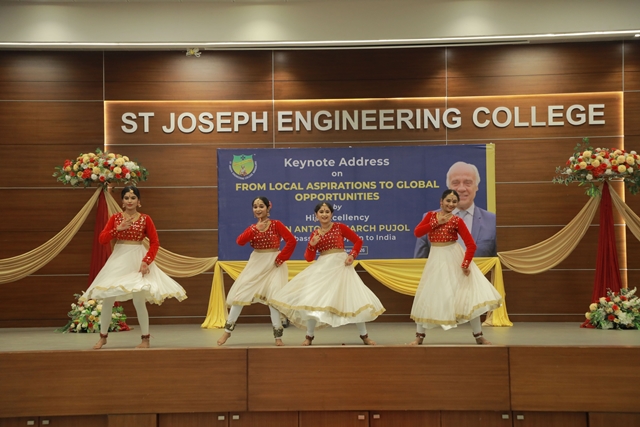
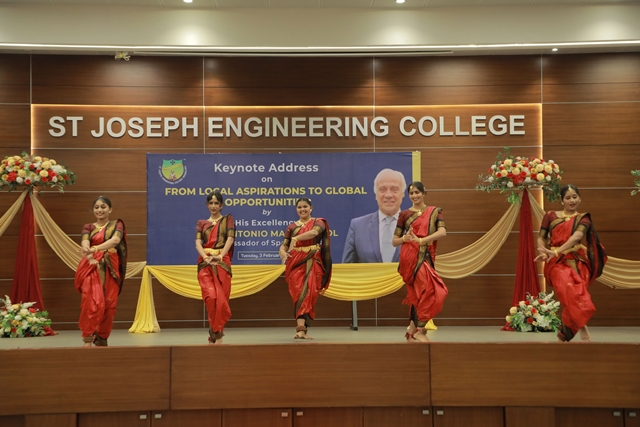
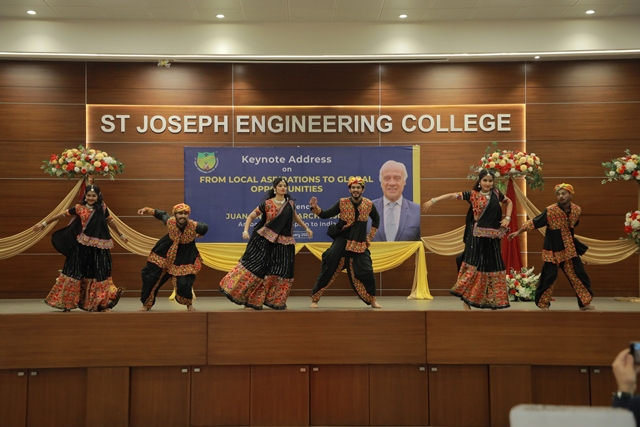
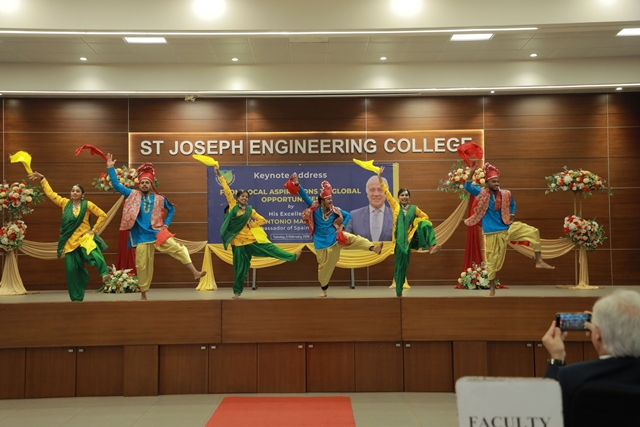
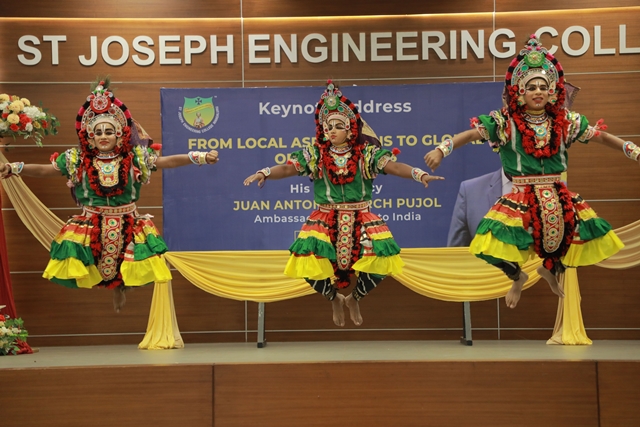
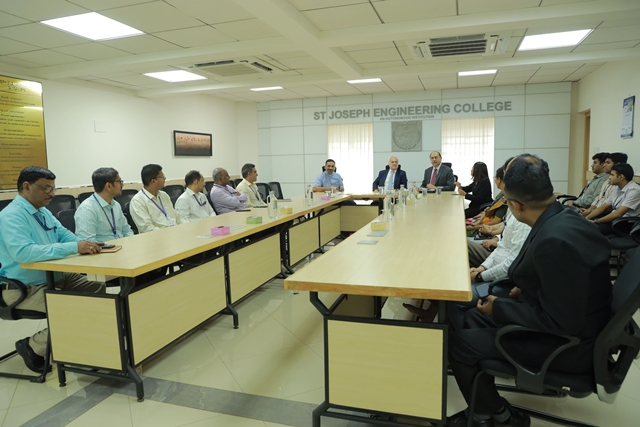
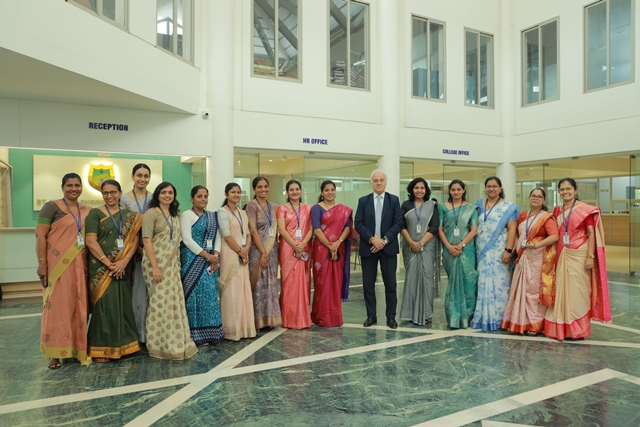
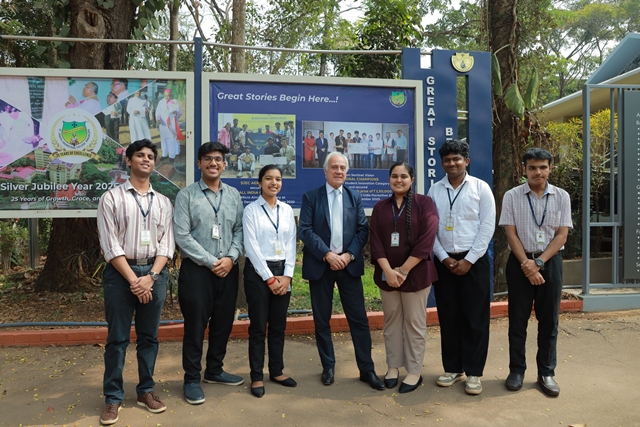
Ambassador Juan Antonio March Pujol delivered the keynote address on the theme ‘From local aspirations to global opportunities’. He encouraged students to expand their outlook beyond geographical boundaries and to embrace global opportunities through education, innovation and collaboration. He emphasised adaptability, ethical grounding and openness as essential qualities for young minds in an interconnected world.
Dr Rio D’Souza then introduced the book The Great Reset: CTRL + ALT + HUMAN, authored by Juan Antonio March Pujol. He highlighted how the book explores the role of artificial intelligence in nation-building, governance and human development, while stressing the importance of using technology responsibly to build humane and inclusive societies.
During the special lecture and reflections on the book, Juan Antonio March Pujol shared three key messages: An invitation to explore the world and global cultures; the importance of innovation with references to emerging technologies and mobility solutions; and the power of language and communication in fostering understanding. He also reflected on balancing professional excellence with personal values, underscoring discipline, professionalism and peace, and emphasised that technology should serve as an instrument for harmony rather than conflict.
An engaging question-and-answer session followed, during which students actively interacted with the ambassador. He shared insights on his motivation to write the book and highlighted that education should nurture individuality, recognising the unique abilities and interests of every student. Fr Kenneth Rayner Crasta addressed the gathering, urging students to use technology responsibly for sustainable development and to promote peace, empathy and ethical solutions.
Juan Antonio March Pujol was formally felicitated by Fr Kenneth Rayner Crasta and Dr Rio D’Souza. The vote of thanks was proposed by Nisha Jenifer Roche, programme convenor, who expressed gratitude to the ambassador and acknowledged the efforts of the management, faculty, organising committee and contributors, with special appreciation to Loretta Andrade for her initiative and coordination. The programme was compered by Prajwala Preema Rodrigues and Nelson Marwin Fernandes, assistant professors, department of MBA.
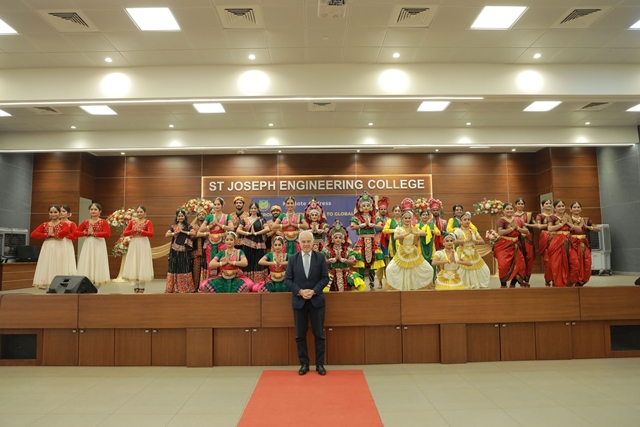
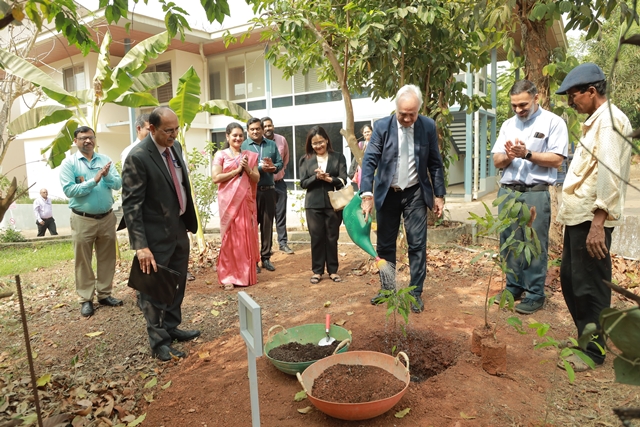
The event concluded with a cultural programme by students, followed by the ambassador’s visit to the amphitheatre for a sapling plantation, the college chapel and the SJEC IDEA Lab, where students showcased innovative projects. The visit proved to be an enriching and memorable experience for the entire SJEC community.