Daijiworld Media Network – New Delhi
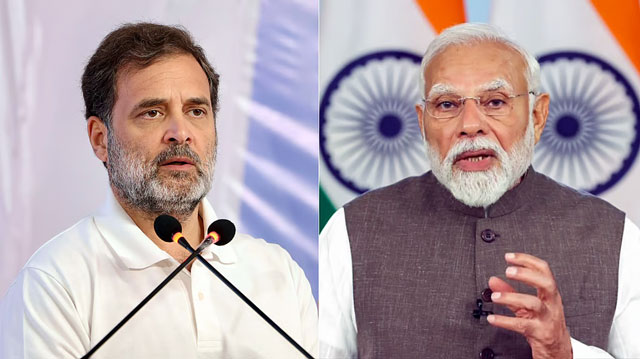
New Delhi, Feb 21: Congress leader Rahul Gandhi on Friday accused Prime Minister Narendra Modi of being “compromised” after the Supreme Court of the United States struck down President Donald Trump’s global tariff measures.
In a post on X, Gandhi alleged that the Prime Minister’s “betrayal” in the India-US interim trade deal now stood exposed. “The PM is compromised. His betrayal now stands exposed. He can’t renegotiate. He will surrender again,” he said.
The remarks came a day after the US Supreme Court, in a 6-3 verdict, invalidated Trump’s sweeping global tariffs, ruling that he had exceeded his authority under emergency powers law.
Congress general secretary (communications) Jairam Ramesh claimed that had the Prime Minister not been “desperate” to protect his “fragile image” and waited 18 more days, Indian farmers would have been spared distress and national sovereignty would have been safeguarded.
Ramesh questioned what compelled Modi to ensure that Trump announced the India-US trade deal on the night of February 2, 2026. He alleged that the agreement had turned into an “ordeal” for the country due to the Prime Minister’s “desperation and surrender”.
The Congress leader also referred to Trump’s recent remarks in which the US President reiterated that the India deal was “on” and described his relationship with Modi as “great”. Trump maintained that there was no change in the agreement despite the Supreme Court ruling and said India would pay tariffs while the US would not.
Earlier this month, the US and India announced a framework for an interim trade agreement under which Washington would lower reciprocal tariffs on Indian goods from 25 per cent to 18 per cent. Trump also issued an executive order removing 25 per cent punitive tariffs imposed on India over its purchases of Russian oil, citing New Delhi’s commitment to reduce energy imports from Moscow and increase purchases of American energy products.
The Congress on Friday hailed the US Supreme Court verdict, calling it a strong example of institutional checks and balances. Ramesh said India may not have found itself cornered into a “one-sided” deal had the government waited before finalising the agreement.
The US Supreme Court’s decision dealt a significant blow to Trump’s tariff strategy, with the majority holding that the Constitution grants Congress the authority to impose taxes, including tariffs.