Daijiworld Media Network - New York
New York, Feb 22: A new randomised, placebo-controlled study has found that topical silicone gel significantly improves scar quality in patients with head and neck skin wounds, offering a simple and non-invasive approach to enhance postoperative aesthetic outcomes.
Scarring in the head and neck region can have a considerable impact on appearance and patient self-esteem. While silicone-based products are widely used in scar management, evidence specific to this highly visible anatomical area has been limited.
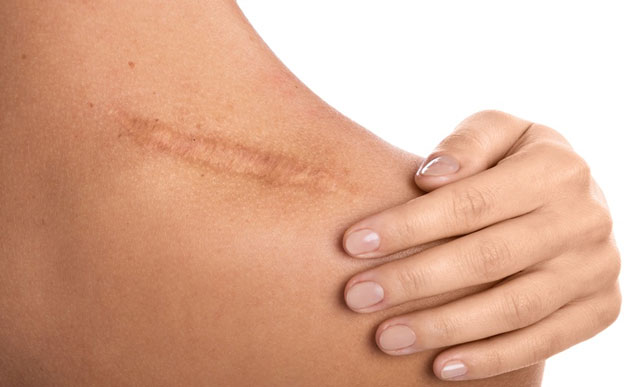
In the study, researchers evaluated the effectiveness of silicone gel compared with a placebo in improving scar characteristics following incisions or lacerations.
The trial involved 19 patients, each with at least two comparable head and neck scars. Using a within-patient design, one scar in each participant was randomly assigned to receive topical silicone gel, while the other was treated with a placebo gel.
Scars were assessed at 10, 30 and 90 days after surgery using the modified Vancouver Scar Scale (mVSS), which measures pigmentation, vascularity, pliability and height.
Researchers applied statistical analyses suited to the paired study design, including within-subject comparisons and mixed-effects modelling to account for repeated measurements over time. A p-value of less than 0.05 was considered statistically significant.
The findings showed statistically and clinically significant improvements across all measured parameters in scars treated with silicone gel compared to placebo. Improvements were noted in pigmentation, vascularity, pliability and scar height. Patients also reported greater satisfaction with silicone-treated scars.
No adverse reactions were observed in either group, and blinded assessments were conducted to minimise detection bias.
The authors concluded that early postoperative application of topical silicone gel can significantly enhance scar quality in head and neck wounds. They recommend its use as a safe, accessible and effective option in routine postoperative care to optimise aesthetic outcomes.