Daijiworld Media Network - Mumbai
Mumbai, Mar 6: The Maharashtra Government on Thursday approved a draft anti-conversion legislation titled Dharma Swatantrya Adhiniyam, 2026, proposing up to seven years’ imprisonment and a fine of Rs 5 lakh for unlawful or forced religious conversions.
The proposed Bill is expected to be tabled in the Maharashtra Legislative Assembly during the ongoing budget session. If passed by both Houses and approved by the Governor, the law will come into force across the state.
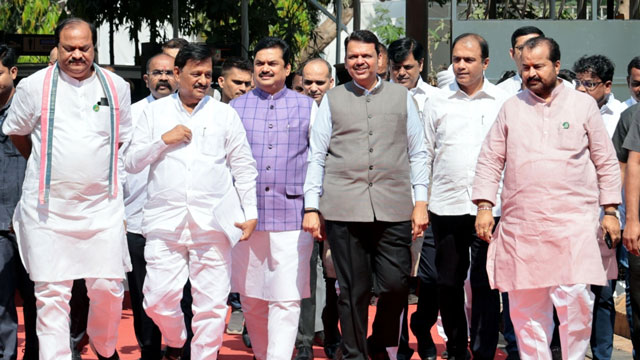
According to the draft, individuals or organisations found guilty of carrying out illegal religious conversions through coercion, fraud, inducement, or misrepresentation could face imprisonment of up to seven years and a fine of up to Rs 5 lakh. Offences under the proposed law will be non-bailable, enabling police to register cases based on complaints of forced conversions.
Confirming the development, Nitesh Rane, a minister in the Bharatiya Janata Party-led government, said the draft was cleared during a cabinet meeting.
“This is a law against unlawful conversion and with this Bill no one will be able to forcibly marry and convert Hindu girls,” Rane said, adding that the proposal was prepared keeping constitutional provisions, Supreme Court of India guidelines, and similar laws in other states in mind.
Opposition leaders have questioned the scope and intent of the proposed law. Sachin Ahir, MLA from Shiv Sena (Uddhav Balasaheb Thackeray), said the legislation should be examined carefully before conclusions are drawn.
He said it was necessary to clarify which communities the term “love jihad” referred to and whether the proposed law would apply uniformly across all communities.
The move follows earlier steps by the state government toward introducing legislation against forced religious conversions. In February 2025, the government issued a resolution announcing its intent to frame such a law and set up a seven-member committee headed by the Director General of Police to examine the issue.
The committee studied legal provisions and similar laws in other states before submitting its report, which formed the basis for the current draft. The proposal was presented to the government on February 26 and subsequently approved by the state cabinet.
Chief Minister Devendra Fadnavis had earlier said the government was not opposed to interfaith marriages but believed cases involving coercion, false identities, inducement or fraud leading to religious conversion required legal action.
With the proposed legislation, Maharashtra joins several other states that have enacted or proposed laws regulating religious conversions.
The issue has also reached the Supreme Court of India, which recently agreed to examine the constitutional validity of anti-conversion laws enacted in multiple states including Uttar Pradesh, Madhya Pradesh, Karnataka, and Gujarat.
A bench led by Surya Kant, the Chief Justice of India, issued notices to the Union Government of India and several states after petitions were filed challenging the laws. Christian groups have argued that such legislation could encourage vigilante actions against minority communities.