Daijiworld Media Network - New Delhi
New Delhi, Apr 10: Two new tuberculosis vaccines have been found to be safe for use in both adults and children in India, but may not offer protection against all forms of the disease, according to phase-3 trial results published in The British Medical Journal.
The final-stage clinical trial, conducted by researchers including those from the Indian Council of Medical Research (ICMR), evaluated the safety and effectiveness of two vaccines — VPM1002 and Immuvac — under the PreVenTB study.
In India, the Bacillus Calmette-Guérin (BCG) vaccine is administered to infants at birth to prevent tuberculosis. VPM1002, a genetically engineered recombinant BCG vaccine developed by Serum Life Science Europe GmbH, and Immuvac, developed jointly by ICMR and Cadila Pharmaceuticals, were assessed as potential alternatives.
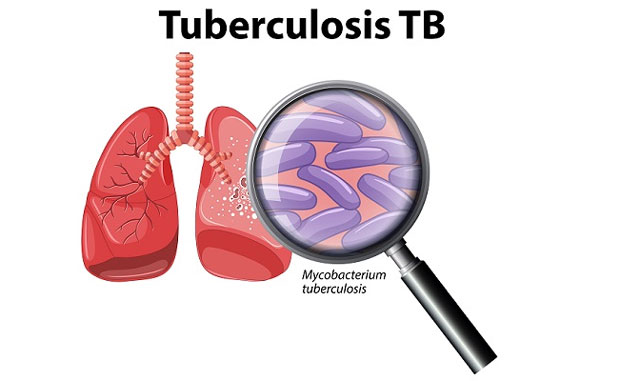
The study analysed over 12,700 household contacts of TB patients aged six years and above across 18 sites in six states and Union territories, including Delhi, Maharashtra and Tamil Nadu, between July 2019 and December 2020. Participants were randomly assigned to receive either VPM1002, Immuvac or a placebo and were monitored over a period of 38 months.
Findings showed that both vaccines were safe and capable of triggering an immune response. However, they did not demonstrate overall effectiveness in preventing all forms of microbiologically confirmed or pulmonary tuberculosis.
The researchers noted that while neither vaccine prevented general TB infection or latent TB, both showed potential in stopping the progression from latent infection to active disease. Notably, VPM1002 showed around 50.4 per cent effectiveness against extrapulmonary TB across age groups, which could have significant public health benefits, as this form of TB is often linked to higher mortality.
Among children aged six to under 14 years, VPM1002 offered protection against all forms of TB, including pulmonary and extrapulmonary. Immuvac, on the other hand, showed protection against extrapulmonary TB in children aged six to under 10 years.
However, the study also found that neither vaccine was effective in underweight children and adults, indicating that nutritional support may be essential alongside vaccination efforts, especially in younger populations.