Mounesh Vishwakarma
Daijiworld Media Network - Bantwal
Bantwal, Apr 11: A month-long exhibition titled “Under the Green Canopy – Cultural Heritage of Tulu Life” has been organised in Bantwal, showcasing the culture, lifestyle and traditions of Tulunadu for future generations, said Prof Tukaram Poojary, founder of the Rani Abbakka Tulu Museum and Study Centre.
Addressing a press conference at the centre premises in Sanchayagiri, B C Road, on Saturday, he said the exhibition was being held under the Archives and Museums programme of the India Foundation for the Arts (IFA), in collaboration with the Rani Abbakka Tulu Museum and Study Centre and Tata Trusts.
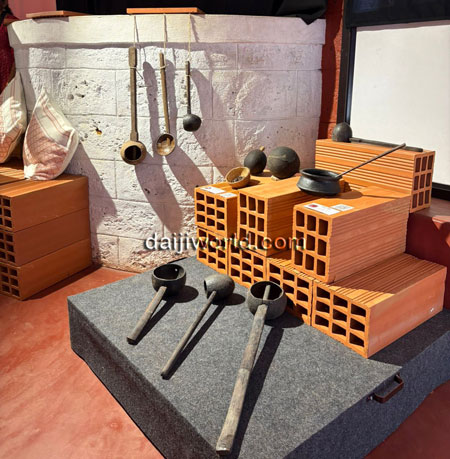
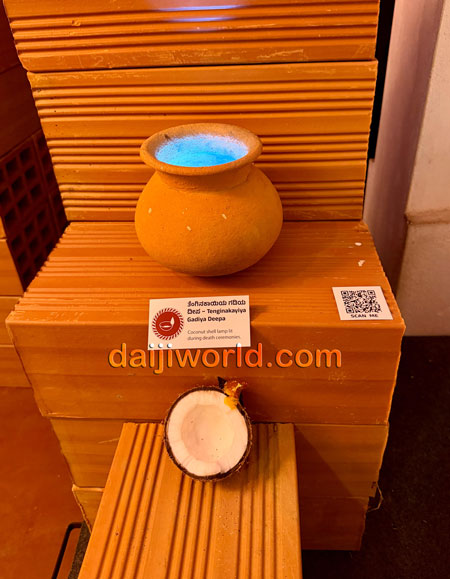
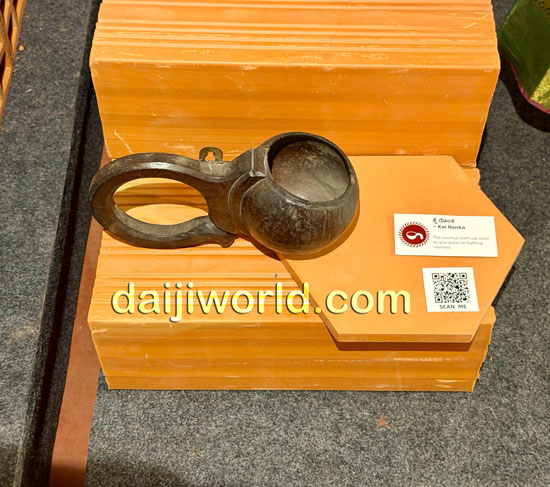
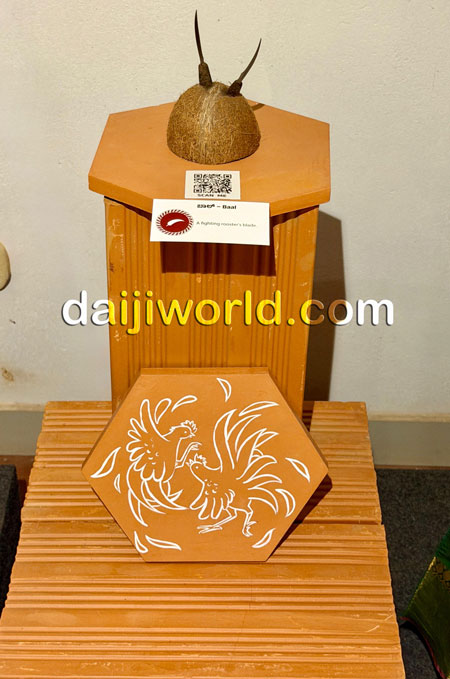
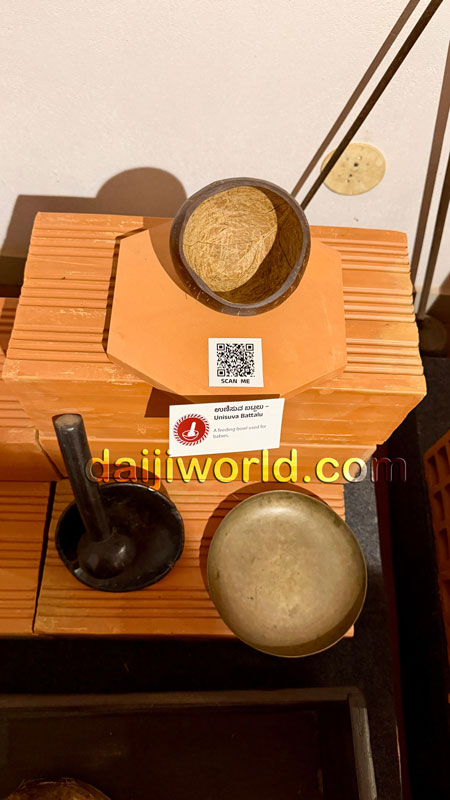
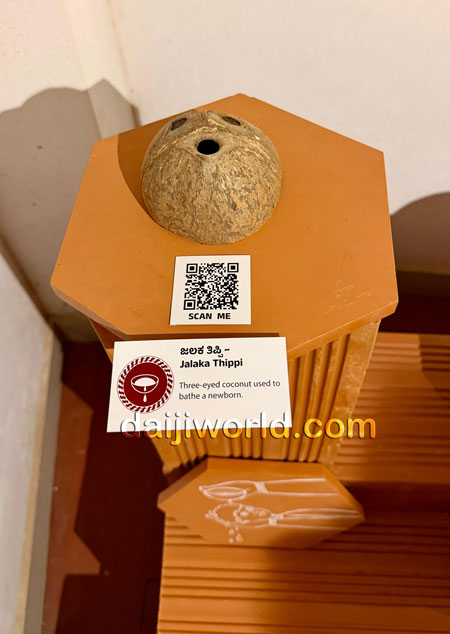
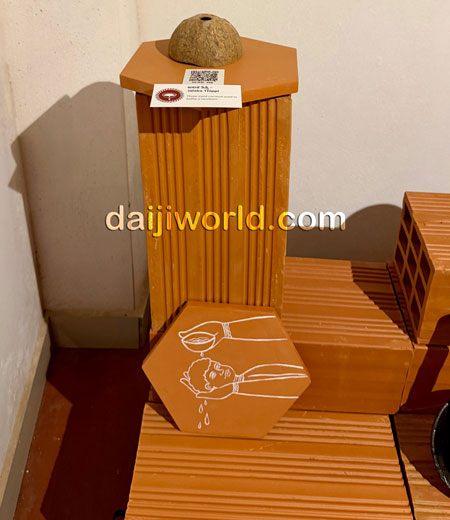
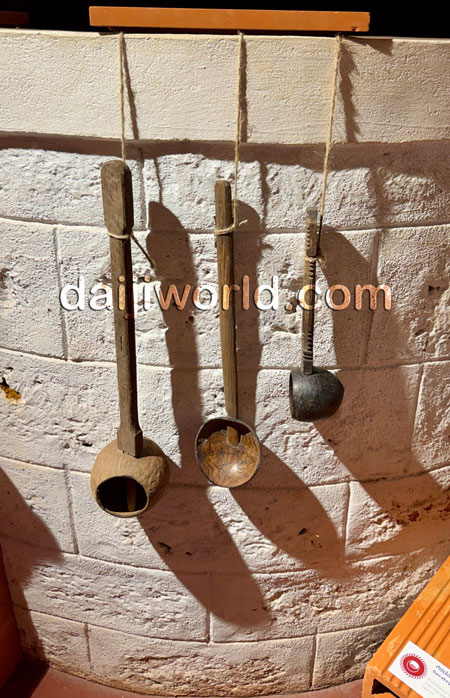
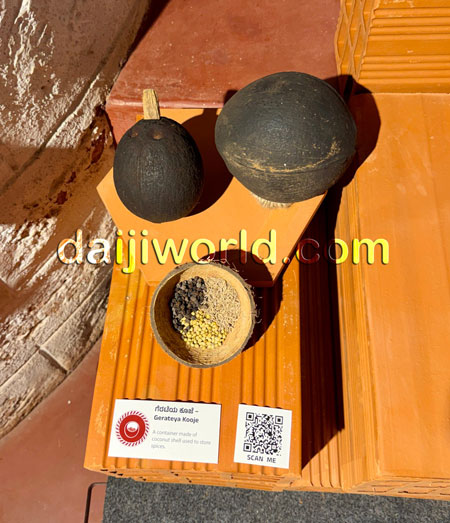
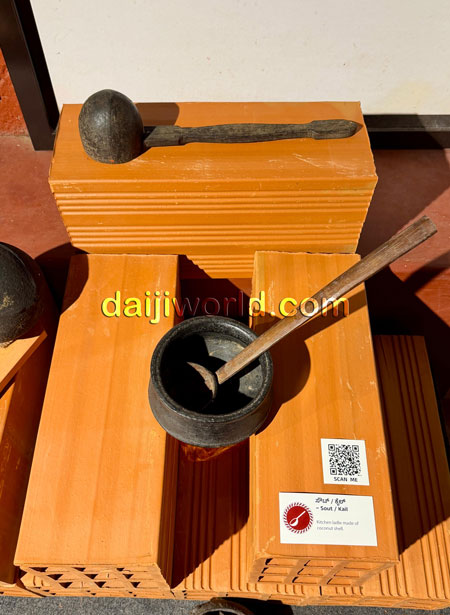
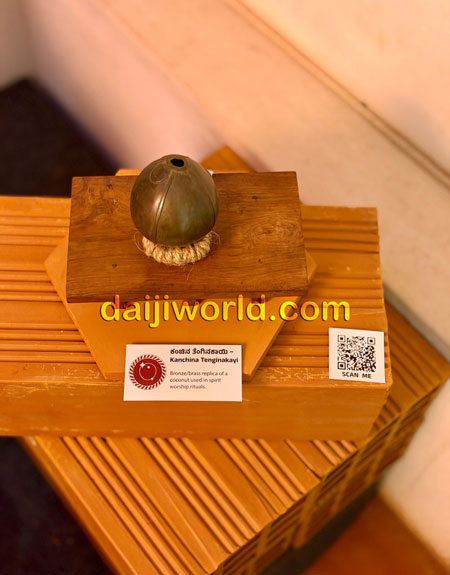
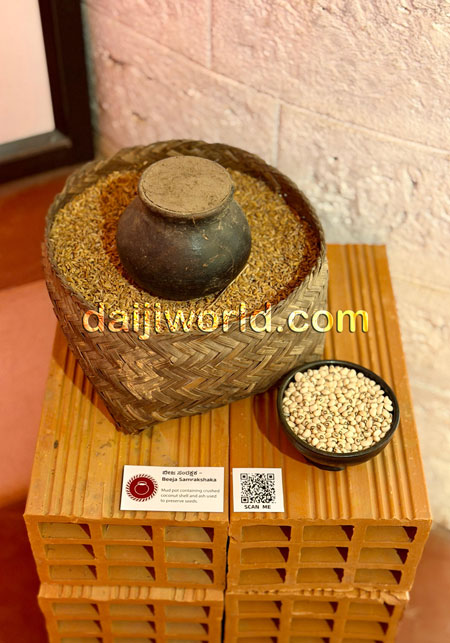
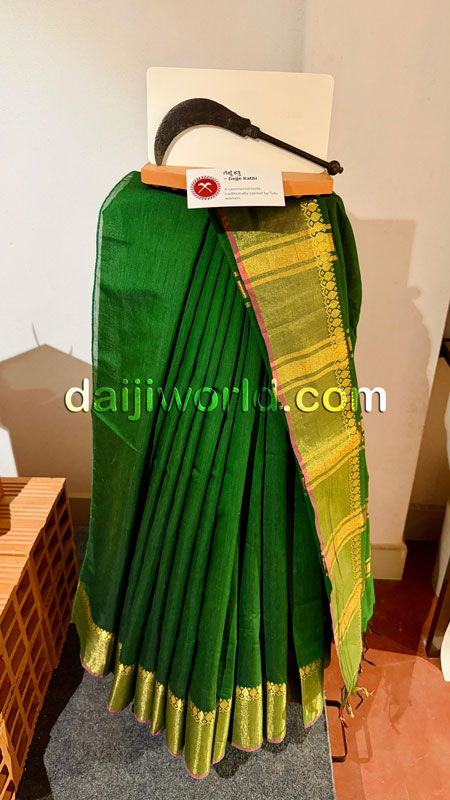
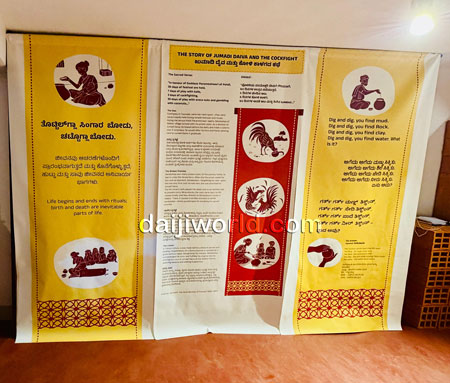
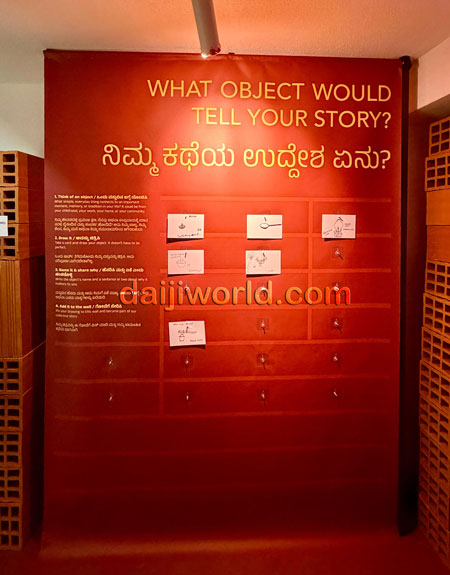
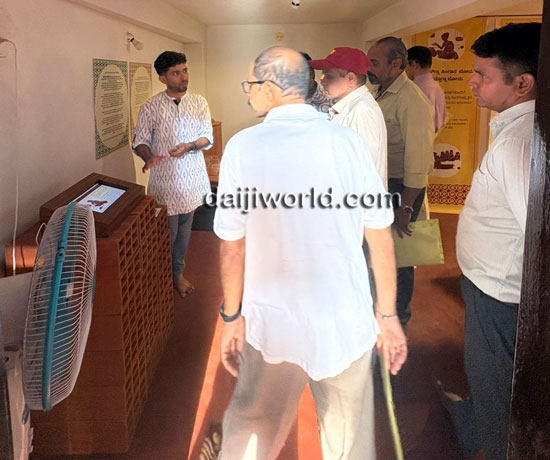
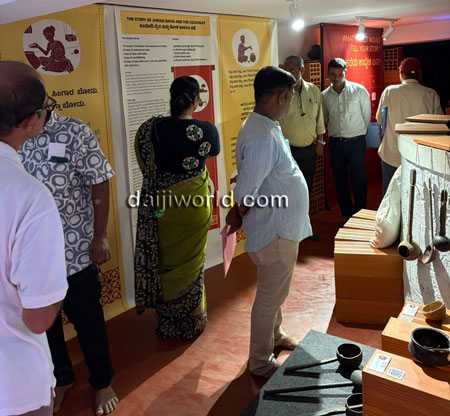
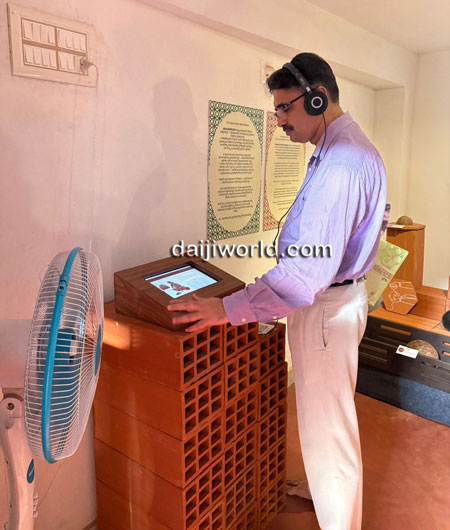
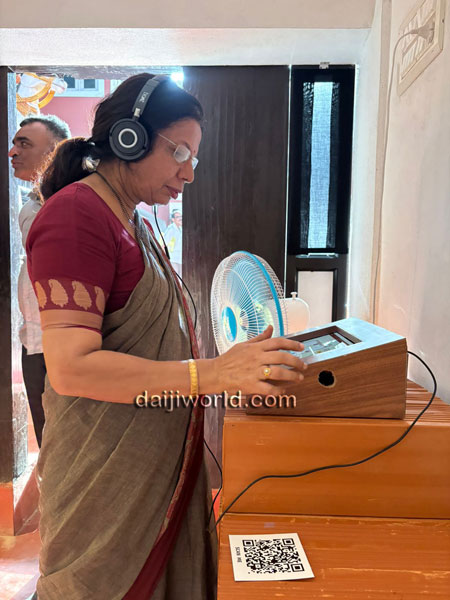
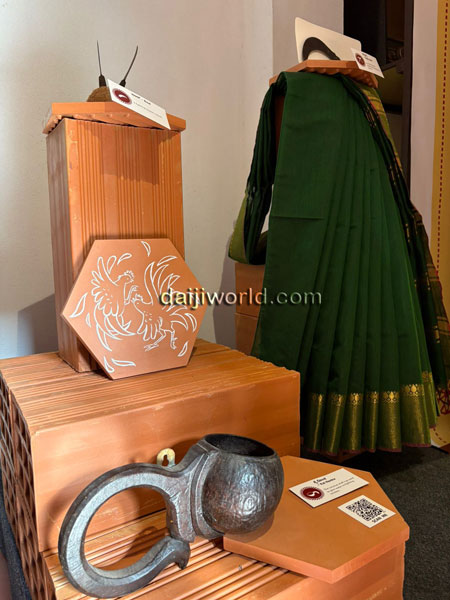
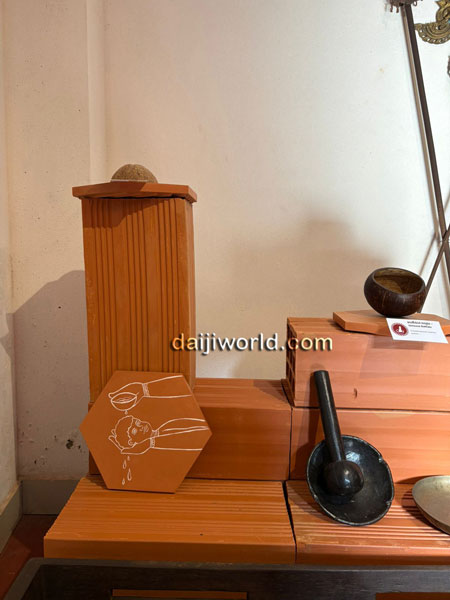
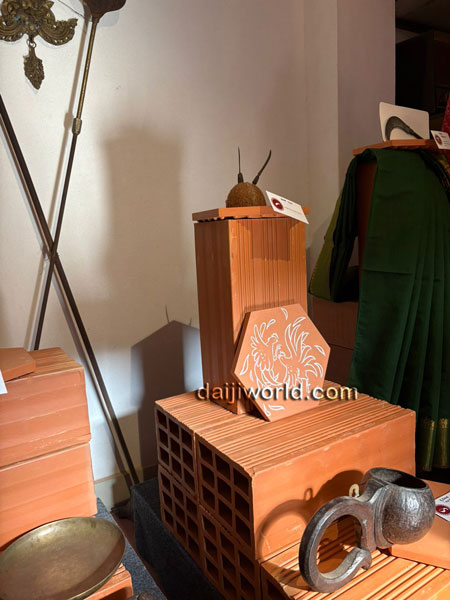
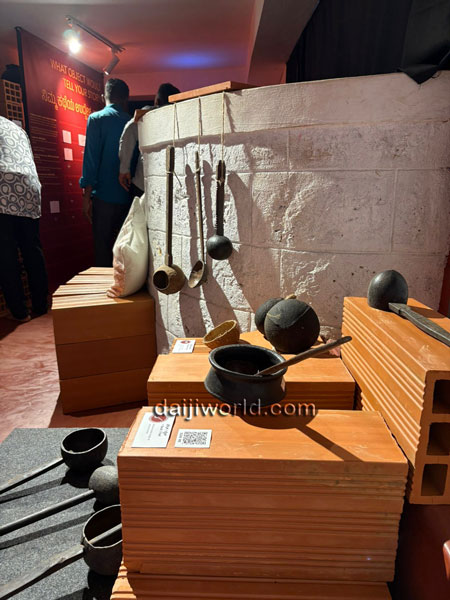
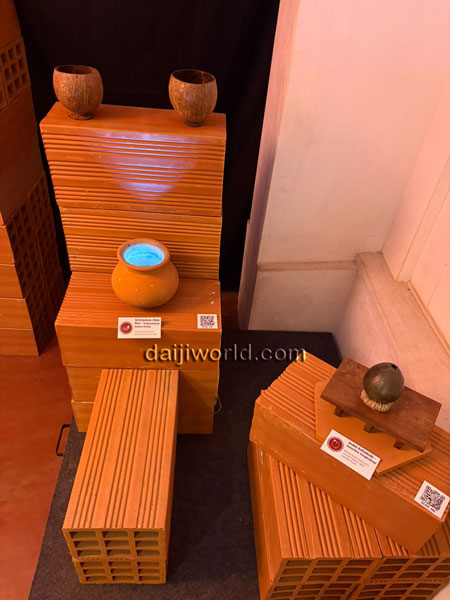
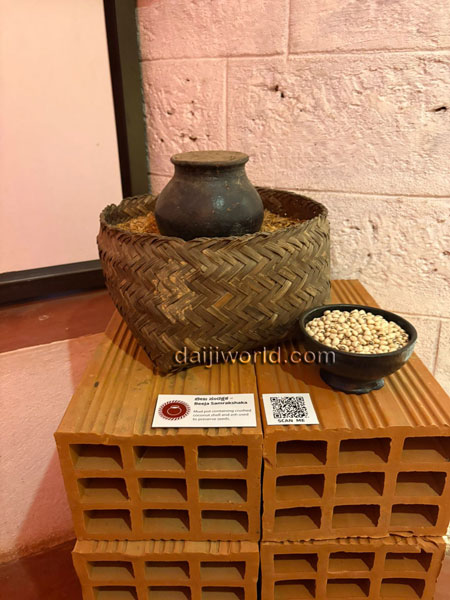
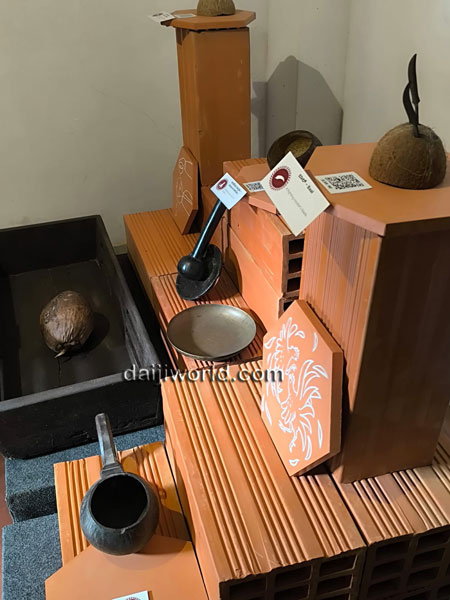
He noted that the museum has emerged as a prominent cultural attraction in Dakshina Kannada district, offering a comprehensive and immersive experience of traditional Tulu life. The centre houses rare collections, including ancient agricultural tools, household artefacts, folk art pieces and objects associated with rituals and customs.
He added that the exhibition was curated by museum designers Madhushree Kamak and Brian Nezil D’Souza, with support from IFA and Tata Trusts. A total of ten key artefacts have been selected for display, reflecting the life cycle of the Tulu community—from birth to funeral rites—as well as aspects of everyday life.
IFA programme coordinator Ruthvika Mishra said the success of the initiative would depend on how effectively children engage with and benefit from the exhibition.
IFA grantees Madhushree Kamath and Brian Nezil D’Souza said the exhibition features several unique attractions, including a traditional wooden cradle, tools made from coconut shells, and various ritual objects. These artefacts reflect the traditions, livelihoods and ecological knowledge of Tulunadu, they added.
Also present were IFA grantees Madhushree Kamak and Brian D’Souza, secretary of the Rani Abbakka Tulu Life Museum Dr Ashalatha Suvarna, Sindhoora, Pallavi, and Damodara Sanchayagiri.
Inauguration
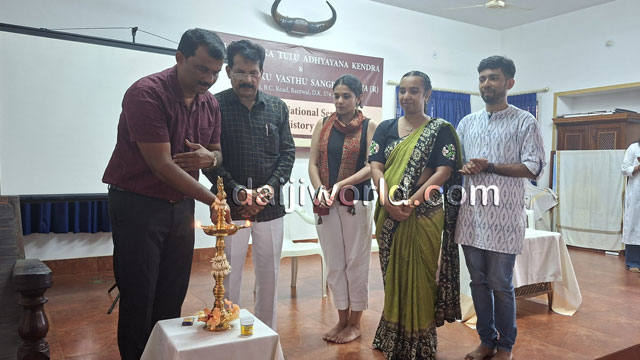
Inaugurating the exhibition, Dr Raghavendra Holla, chairman of Mangaluru Swastika Business School, said it was commendable that IFA and Tata Trusts had recognised the efforts of the Rani Abbakka Museum in preserving history for future generations.
The exhibition was inaugurated at the Rani Abbakka Tulu Study Centre at B C Road under the IFA Archives and Museums programme.
He observed that every artefact from Tulunadu tells a story of history, and noted that even a simple object like a coconut shell carries significant historical value, making it a key highlight of the exhibition. He added that the museum, built through the tireless efforts of Dr Tukaram Poojary, is set to become a major attraction for visitors from across the country and abroad.
Ruthvika Mishra said it was encouraging to see IFA’s core objectives being effectively conveyed to the public through the exhibits at the Rani Abbakka centre.
In his introductory remarks, Dr Tukaram Poojary said the programme stands as clear evidence of IFA’s commitment to preserving and promoting local culture. He added that IFA has extended financial support to three projects being implemented in collaboration with the centre.
Curators Madhushree Kamak and Brian D’Souza, who organised the exhibition under the IFA grant, elaborated on the background and objectives of the initiative.
Shriyadith led the prayer. Sindhoora T P welcomed the gathering and proposed the vote of thanks. Dr Ashalatha Suvarna assisted in organising the event.