Daijiworld Media Network - Barcelona
Barcelona, Apr 22: A recent study by researchers at the University of Barcelona has pointed to a potential breakthrough in the treatment of metabolic dysfunction-associated steatotic liver disease (MASLD), now considered the most common liver condition globally, affecting nearly one in three adults.
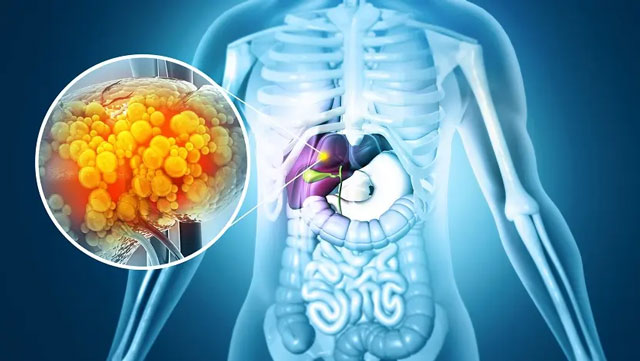
MASLD, previously known as fatty liver disease, develops when excess fat accumulates in liver cells. The condition can lead to severe liver damage and significantly increases the risk of death from cardiovascular diseases.
The study found that two existing drugs — Pemafibrate and Telmisartan — were able to significantly reduce liver fat in animal models. Notably, using the two drugs in combination not only improved liver health but also helped lower associated cardiovascular risks.
The research was led by Marta Alegret from the university’s Faculty of Pharmacy and Food Sciences, in collaboration with institutions including the Institute of Biomedicine of the University of Barcelona, CIBEROBN, and Uppsala University.
Researchers highlighted the importance of repurposing existing drugs, especially as many experimental treatments for MASLD have failed in clinical trials due to safety concerns. Using already approved medications can offer a faster, safer, and more cost-effective alternative, particularly for early-stage disease that often shows no symptoms.
“We have focused on early stages to prevent progression to more severe forms. For this, drugs must have a strong safety profile, which is why we studied medications already available in the market,” said Alegret.
Pemafibrate, a lipid-lowering drug currently marketed in Japan, and telmisartan, widely used worldwide to manage blood pressure, were chosen due to their role in controlling cardiovascular risk — a major concern for MASLD patients.
To understand the effects, the drugs were tested in rats and zebrafish larvae, a model increasingly used in liver research due to its biological similarities to humans.
The results showed that the combination therapy reversed liver fat buildup caused by high-fat and high-fructose diets. In rats, half doses of both drugs used together were found to be as effective as full doses of either drug alone, suggesting a safer treatment approach with reduced toxicity.
Beyond liver health, the combination also demonstrated potential benefits in lowering blood pressure and cholesterol levels, thereby reducing overall cardiovascular risk.
The study further revealed that the two drugs act through different biological pathways. Researchers identified a key role for the PCK1 protein in how telmisartan helps reduce liver fat.
In MASLD-affected animals, PCK1 levels were lower than normal. Treatment with telmisartan restored these levels, shifting the liver’s metabolism from fat production toward glucose synthesis, without causing harmful increases in blood sugar.
Despite the promising findings, researchers cautioned that the study is still at an early stage, as results are based on animal models. Clinical trials will be necessary to confirm whether the same benefits apply to humans.
The team is now exploring the effectiveness of the drug combination in more advanced stages of MASLD, including cases involving liver fibrosis. They are also developing models that combine liver disease with cardiovascular conditions to assess broader benefits.
If future studies confirm these results, the approach could offer a safer and more effective treatment option for a condition that currently has limited therapeutic solutions.