Daijiworld Media Network - New Delhi
New Delhi, Apr 25: With seasonal changes leading to a rise in fever cases, health experts have cautioned that not all fevers are simple viral infections, stressing the need for early diagnosis and awareness.
Marking World Malaria Day, doctors highlighted that illnesses like Malaria and Dengue may initially resemble common viral fever but can become serious if not treated promptly.
Dr Sahil Kapoor, Senior Consultant in Family Medicine at Aakash Healthcare, said patients often self-medicate assuming a viral infection, which can delay proper treatment.
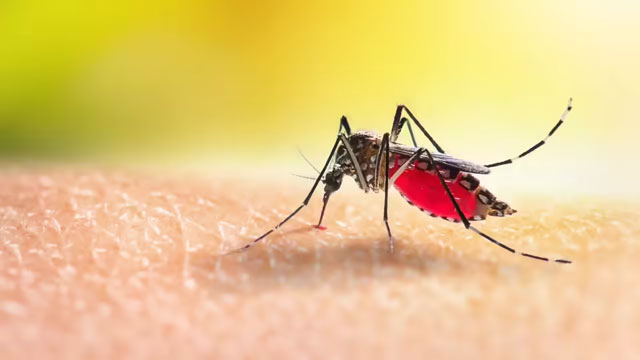
He explained that malaria typically presents a distinct pattern of symptoms, including intense chills, followed by high fever and sweating. This cycle may repeat every two to three days, helping differentiate it from other fevers.
Dengue, on the other hand, is characterised by very high fever, severe headache, pain behind the eyes, intense joint and muscle pain, skin rashes and a drop in platelet count. Doctors warned that symptoms such as abdominal pain, bleeding or persistent weakness require immediate medical attention.
In contrast, viral fever is usually milder and includes symptoms like moderate fever, sore throat, cough, cold and body aches. It often resolves within three to five days with rest and hydration.
Experts emphasised that while symptoms may overlap, accurate diagnosis is only possible through blood tests, and self-medication can be risky.
They also stressed the importance of preventive measures, particularly against mosquito-borne diseases. These include avoiding stagnant water, using mosquito repellents and nets, wearing full-sleeved clothing and maintaining hygiene.
Doctors advised seeking medical help if fever persists beyond two to three days or if symptoms worsen, including signs of bleeding, vomiting, dizziness or breathing difficulty.
Health experts reiterated that no fever should be taken lightly, and timely medical intervention can significantly improve outcomes.