Pics: Dayanand Kukkaje
Media Release
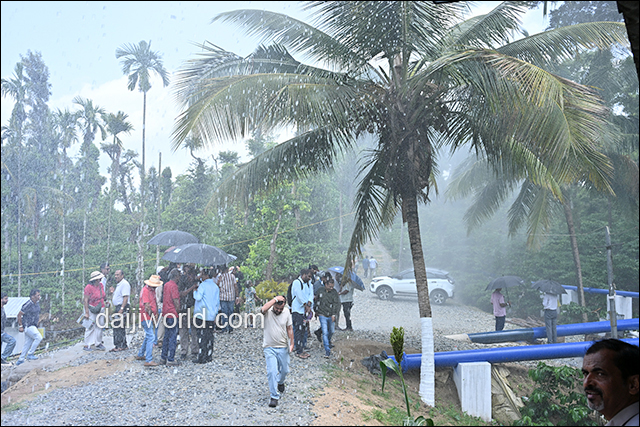
Sakleshpur (Hassan), May 30: In a landmark moment for Indian agriculture, Austrian irrigation pioneer Komet's advanced Rain Gun sprinkler technology successfully irrigated 100 acres of a coffee estate in just 24 hours — a feat being hailed as a world first for the coffee farming industry.
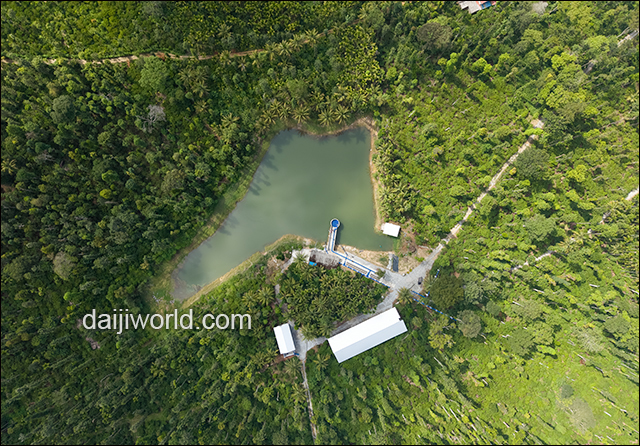
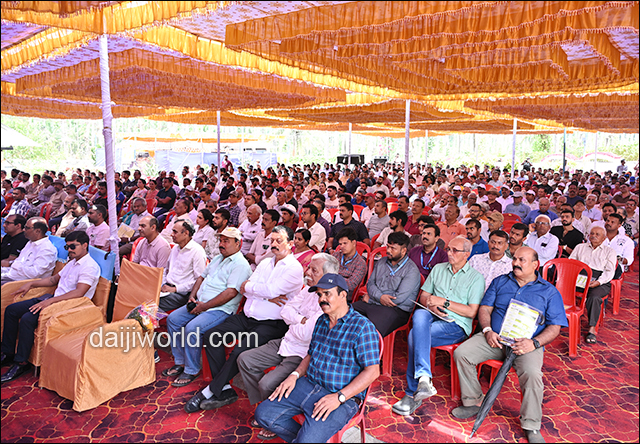
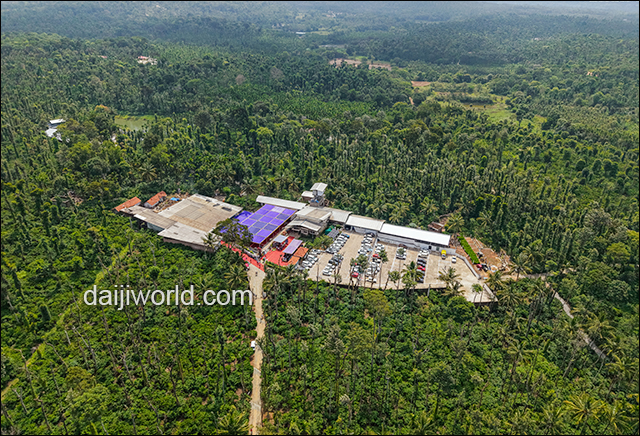
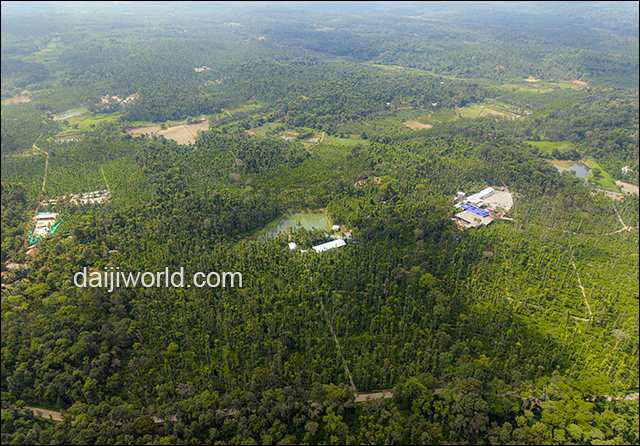
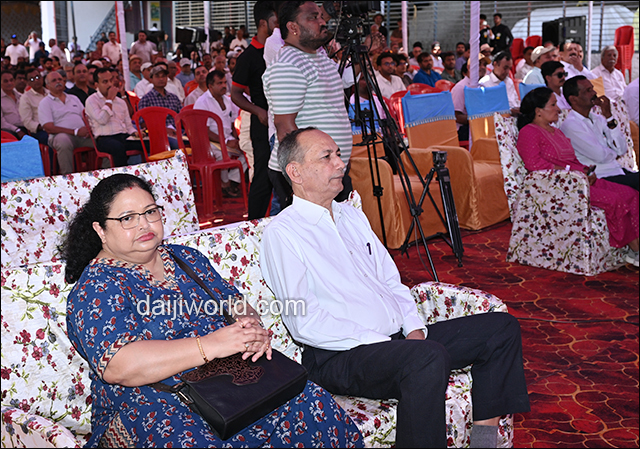
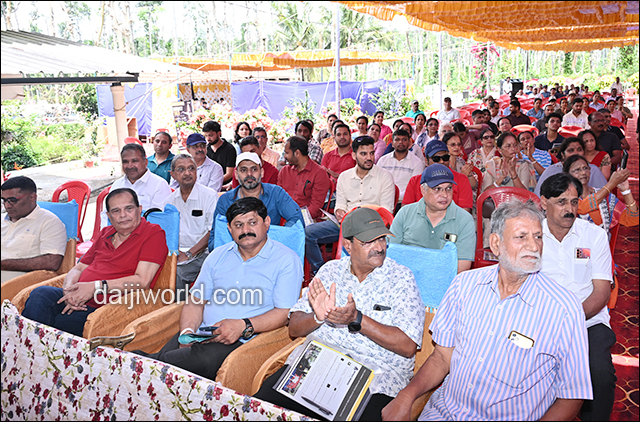
The live demonstration took place at Dr Anand Pereira's Jose Eco-Friendly Coffee Plantation in Kirehalli, adjacent to Sundekere village in Sakleshpur taluk, Hassan district. Thousands of coffee growers from Hassan, Chikkamagaluru, and Kodagu districts gathered at a specially erected stage amid the lush plantation to witness this watershed moment in Indian agricultural history.
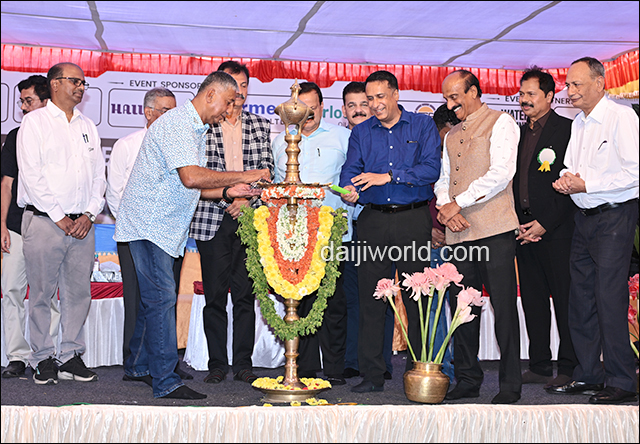
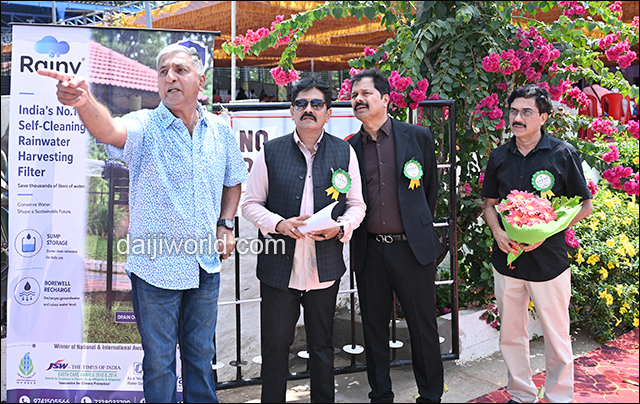
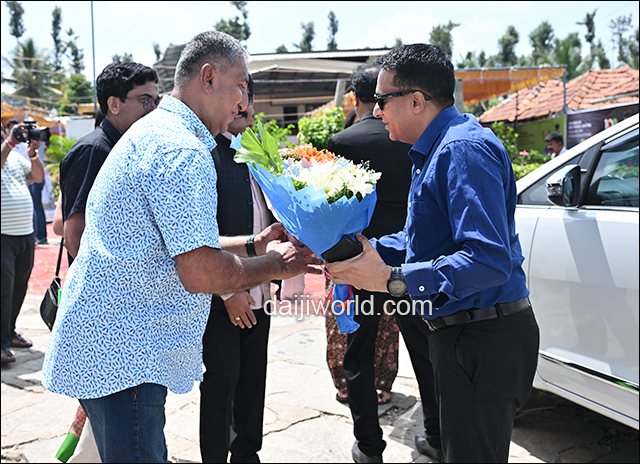
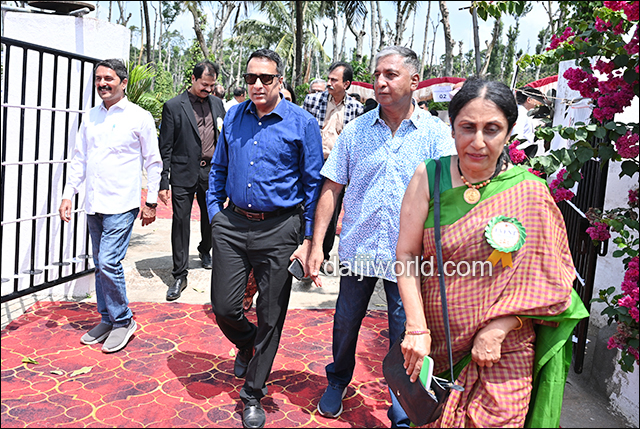

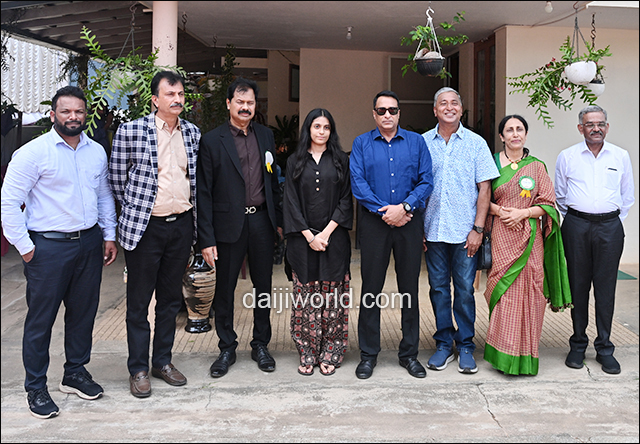
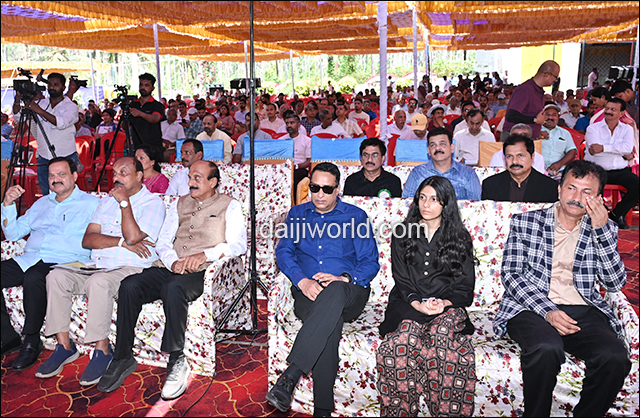
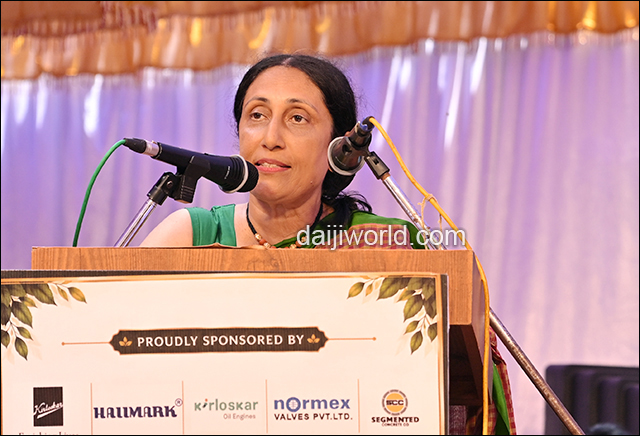
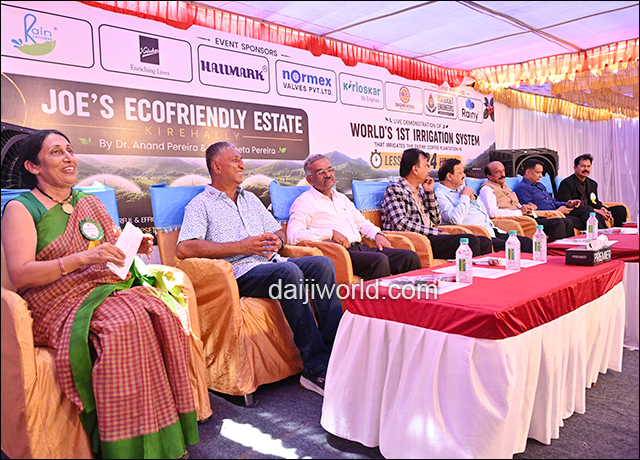
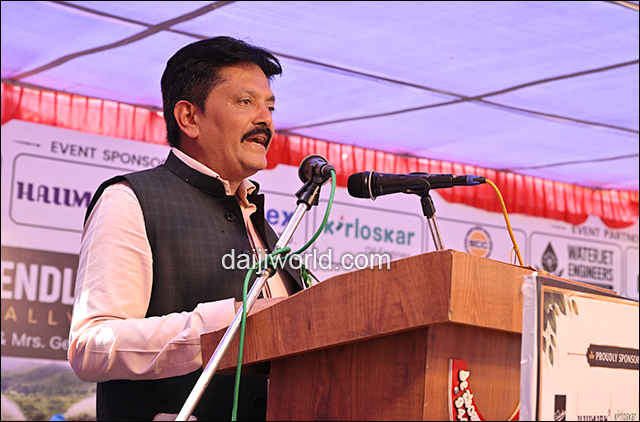
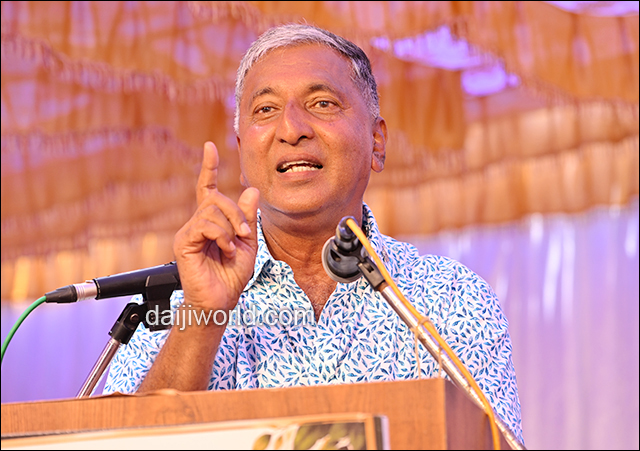
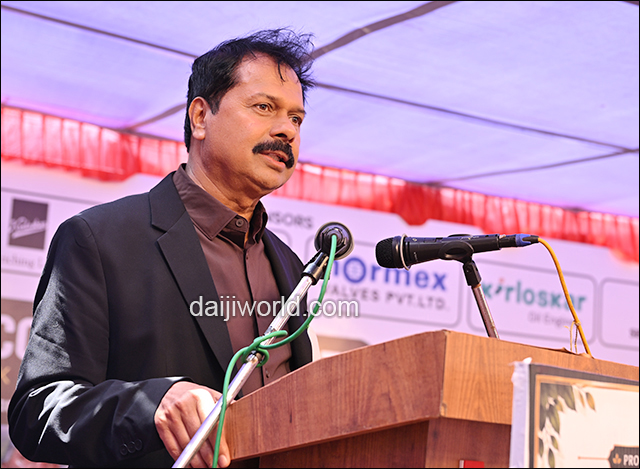
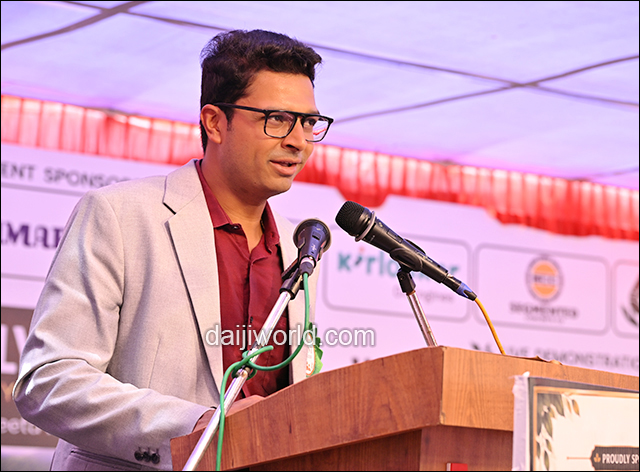
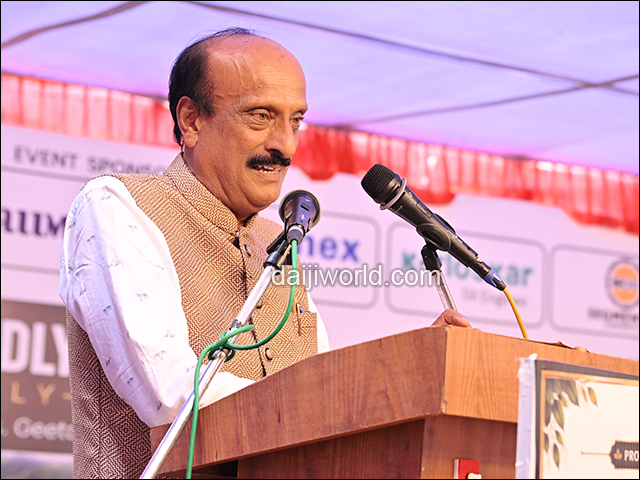
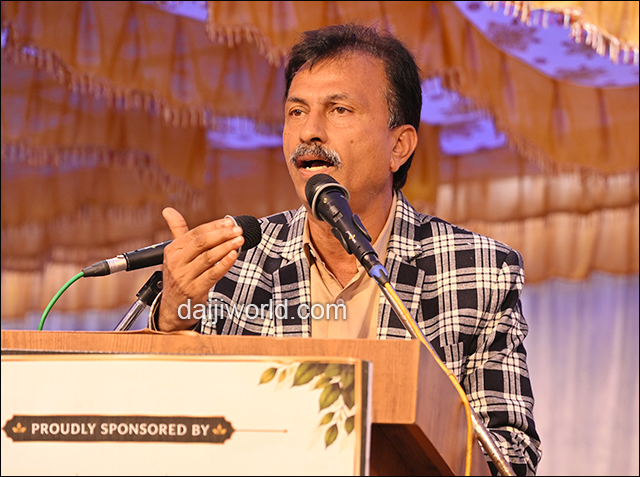
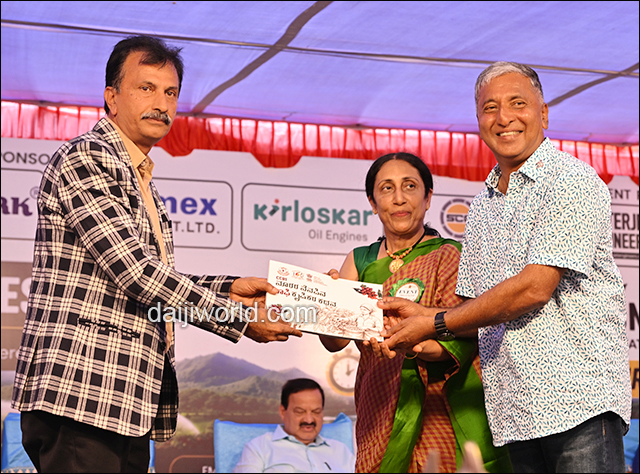
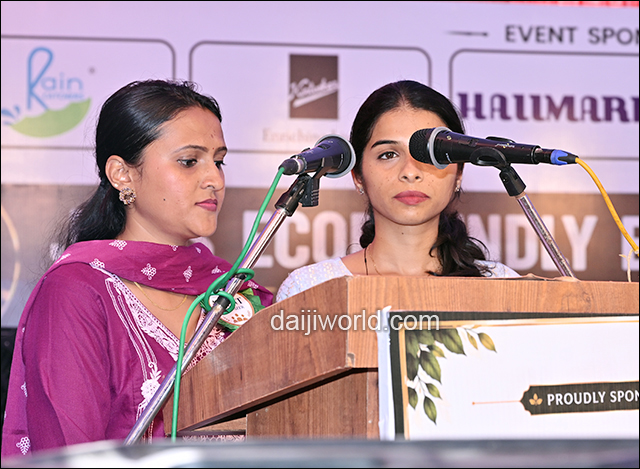
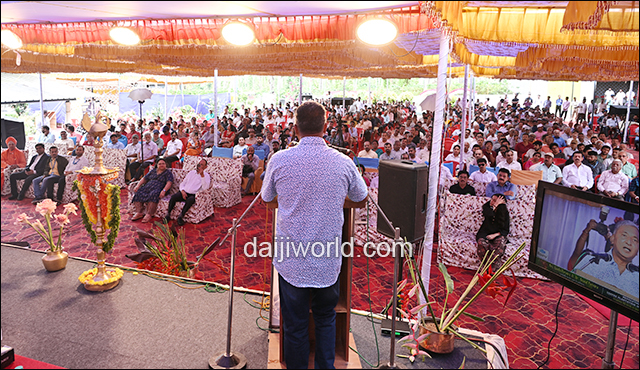
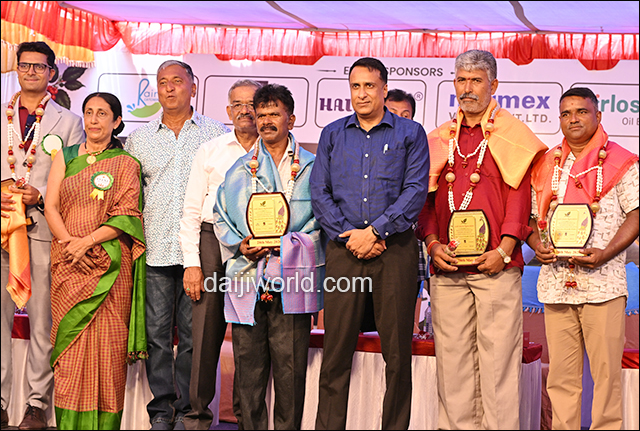
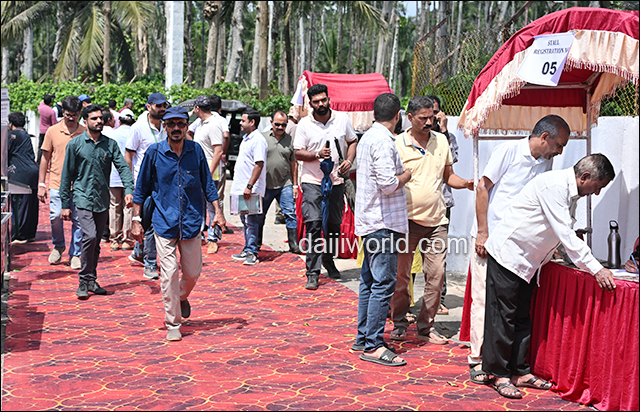
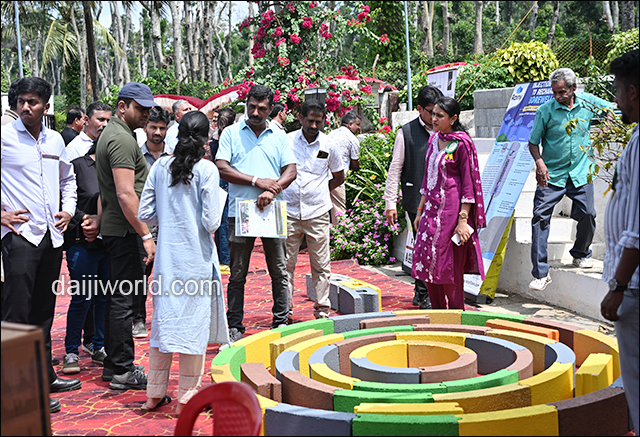
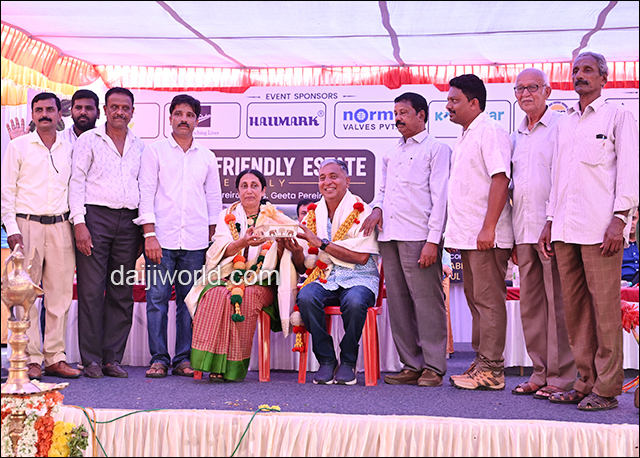
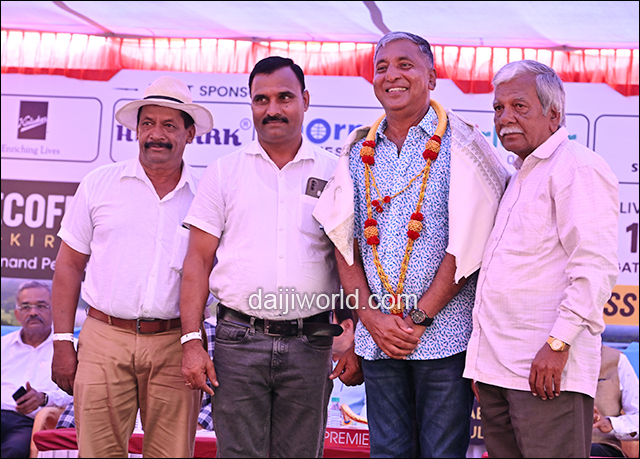
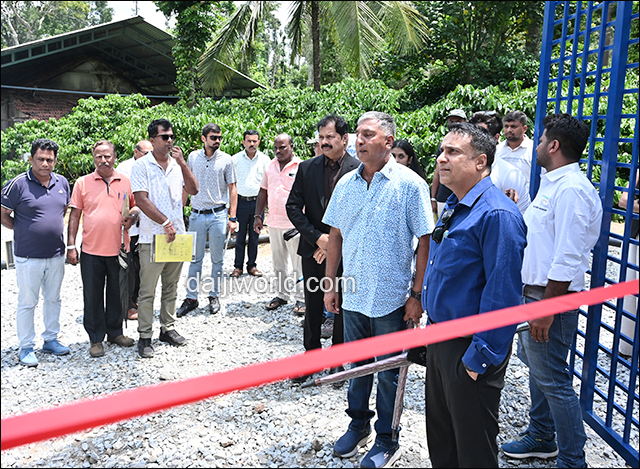
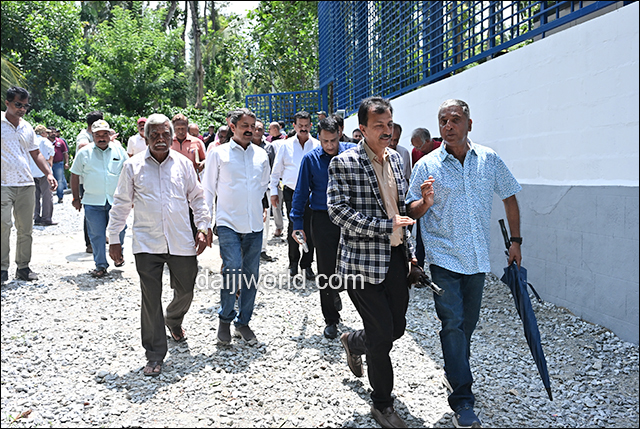
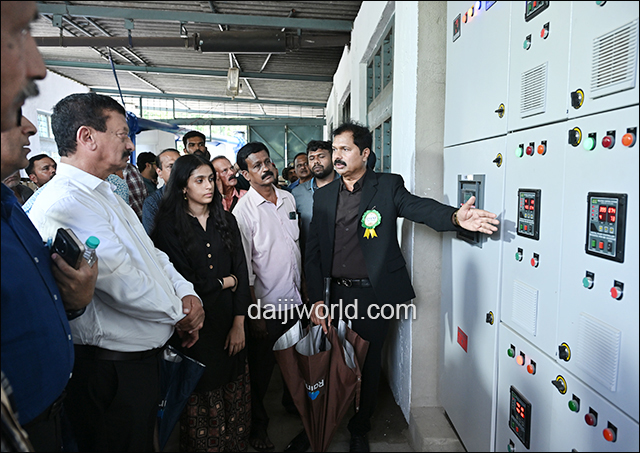
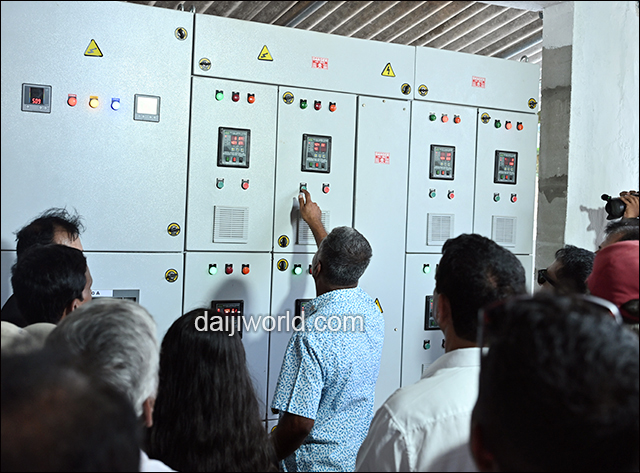
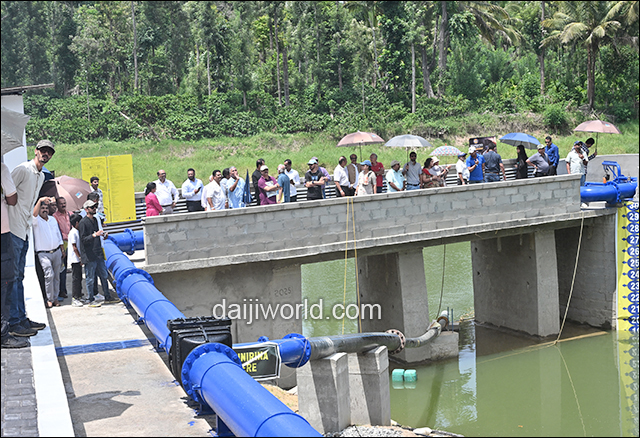
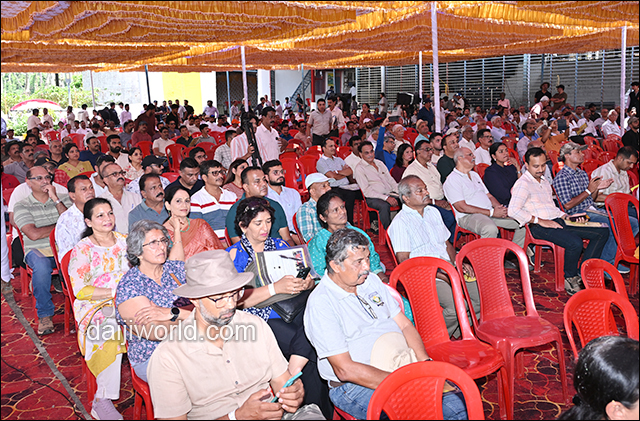
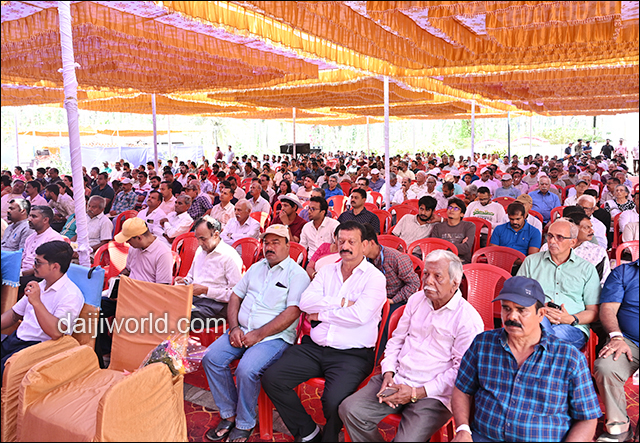
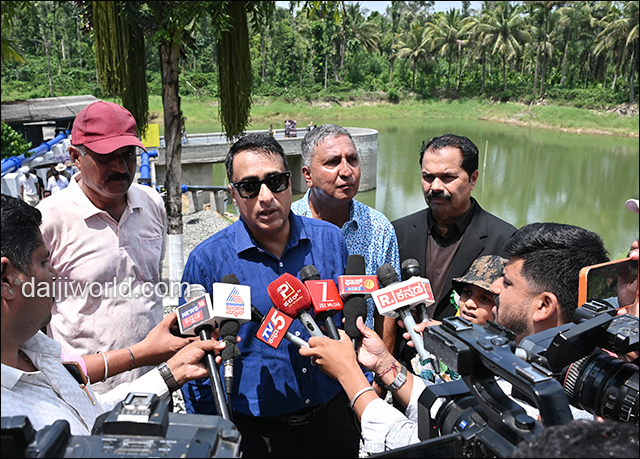
Distinguished Presence
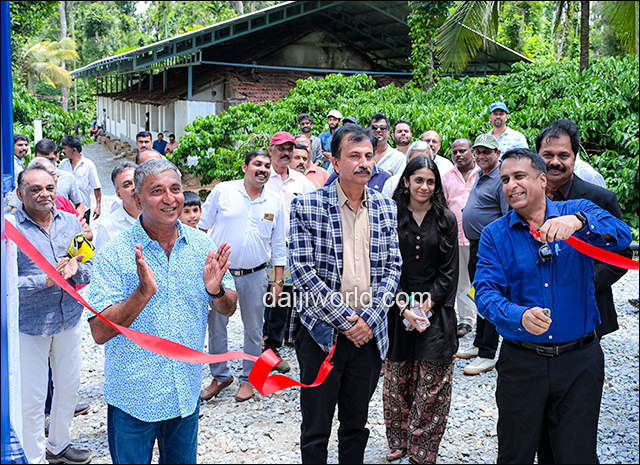
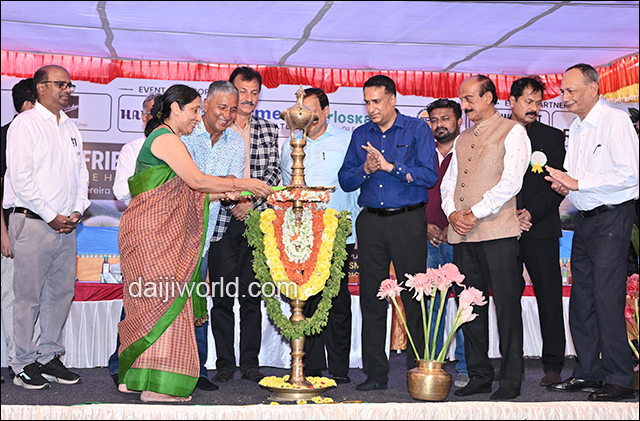
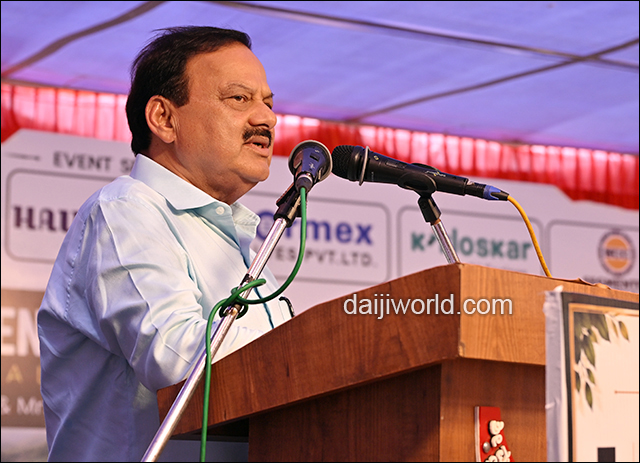
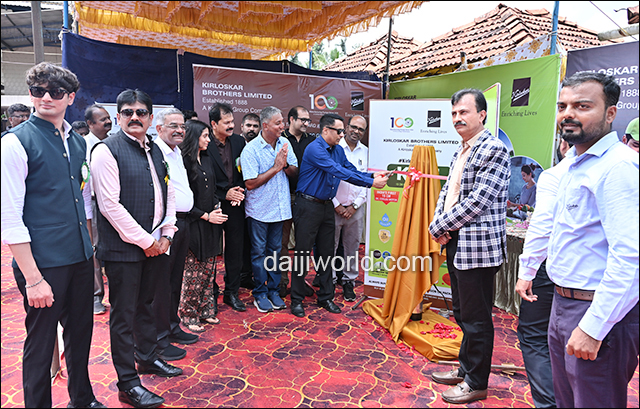
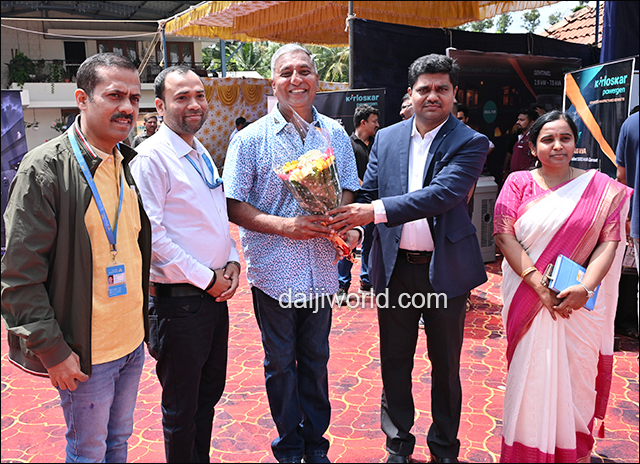
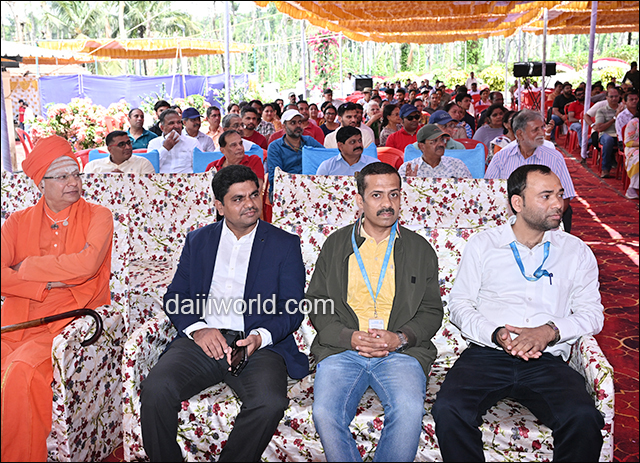
The event was inaugurated by chief guest Naveen Raj Singh, IAS, principal secretary, department of youth empowerment and sports, government of Karnataka.
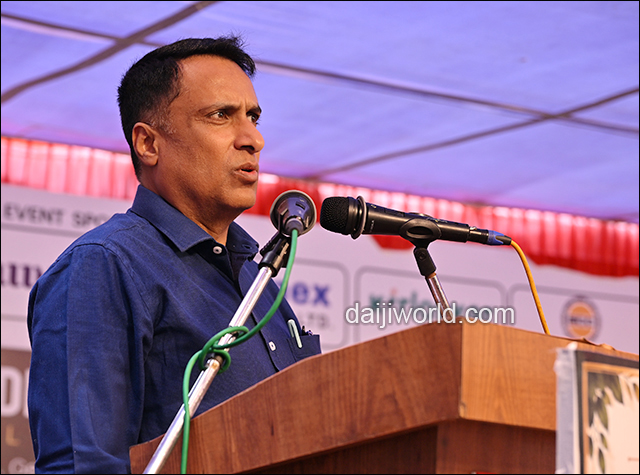
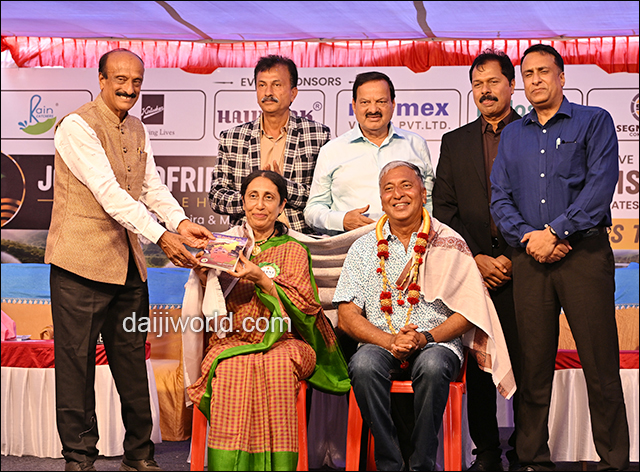
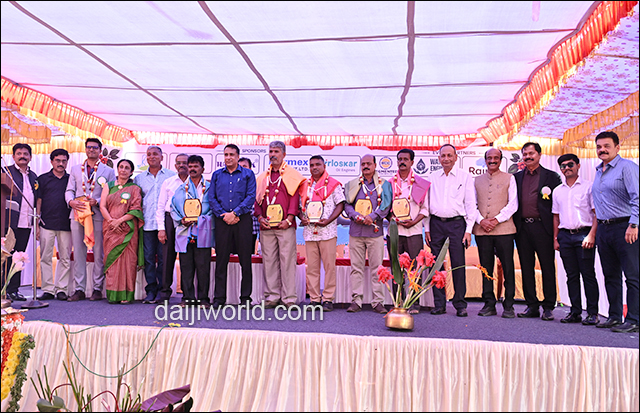
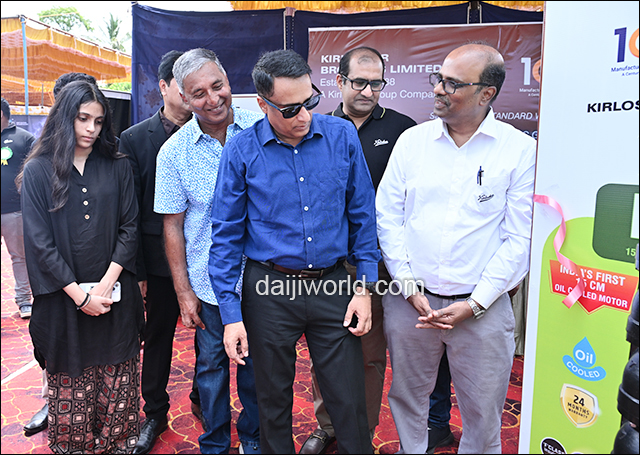
Also present on the occasion were Dr Anand Pereira and Geetha Pereira (Hosts & Owners, Jose Eco-Friendly Coffee Plantation), I M Vittala Murthy (Retired IAS officer), M J Dinesh (Chairman, Coffee Board of India), Halase Shivanna (President, Karnataka Growers' Federation), Michael Sadanand Baptist (Managing director, Water Jet Engineers & Farm Land Rain Water Harvesting), Sunil Gilbert Baptist (Managing director, Water Jet Engineers & Farm Land Rain Water Harvesting), D H Nataraj (Director & co-founder, Water Jet Engineers), Vijayraj Shisodiya (Director, Rainy Research & Manufacturing), Manoj Samuel Baptist (Director, Rainy Research and Manufacturing), Siddhanth (Director, Water Jet Engineers), and Varun Rinaldo Baptist (Director, Rainy Research & Manufacturing).
A Milestone in the Making
The entire project — from concept and engineering design to on-ground execution — was conceived and delivered by Water Jet Engineers, Chikkamagaluru, in association with Rainy Research and Manufacturing, Chikkamagaluru, in collaboration with Komet Irrigation, Austria. The event was organised by the same team, bringing together decades of expertise in water management and agricultural infrastructure to achieve what is now being recognised as a world first.
Inaugurating the programme, Naveen Raj Singh, IAS, principal secretary, department of youth empowerment and sports, government of Karnataka, and in-charge secretary of Hassan district, described Komet's Rain Gun technology as a ‘game-changer’ for coffee growers. He also simultaneously launched the new Kirloskar KU7 series of Oil-Cooled Submersible Pumps, with Kirloskar Oil Engines' All-India head Srikant Gangishetty and South Regional manager Rajesh V present on the occasion.
Chief Guest's Address: ‘A Genuine Agricultural Revolution’
Applauding the breakthrough, chief guest Naveen Raj Singh, IAS praised the collaborative spirit and vision that brought the project to life.
"Under the visionary leadership of Dr Anand Pereira, we are witnessing a genuine agricultural revolution right here in Kirehally," Singh declared. "Nobody imagined it was logistically possible to irrigate 100 acres of coffee in such a short timeframe — and yet, here we are."
The principal secretary went on to highlight precisely what sets this technology apart from its predecessors — and why that distinction matters enormously for coffee farming.
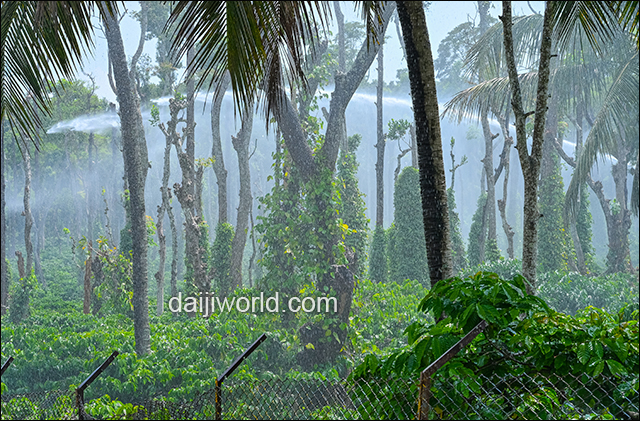
"Water guns are not a new concept. They have been used at heights of 10 to 15 feet for over a decade. However, conventional water guns discharge water in heavy, forceful lumps — and that force can brutally destroy delicate coffee blossoms at a critical stage of growth. This next-generation technology is fundamentally different. It is engineered to replicate natural rainfall. And real rain, as we know, never destroys flowers."
He further underscored the system's precision and controllability as a defining advantage.
"This system gives us absolute control over water flow — something no conventional irrigation method has offered at this scale. It is a deeply proud moment for Karnataka that such a revolutionary solution has been demonstrated right here on our soil."
Dr Anand Pereira: ‘If We Do Not Innovate, We Will Go the Way of the Typewriter’
Explaining the vision behind the mega-project, Dr Anand Pereira delivered an inspiring address, dedicating the achievement to the next generation of agriculturists.
"Geeta and I want to dedicate this event to the Millennial and Gen Z generations of coffee planters," he began. "We are living in a knowledge economy where innovation is the absolute key to the survival and success of the future coffee industry. If we do not innovate, we will go the way of the typewriter and the Kodak camera."
Reflecting on the current state of estate automation, Dr Pereira painted a stark picture of the disparity that continues to hold the industry back.
"Unfortunately, 95% of coffee planters are still running on outdated irrigation setups. Many planters have more horsepower in their personal cars than they have deployed across their entire acreage. This system is not just an achievement for my family — it belongs to the entire planting community. We are all partners in this. While 70% of the stakeholder equity comes from the grit of the planters themselves, the remaining 30% rests on the shoulders of manufacturers, financial institutions, and engineers."
He then revealed that the project was, in the truest sense, a lifelong dream — decades in the making.
"We drew up the initial blueprint 36 years ago, back in 1991. After decades of consultations with manufacturers, global institutions, bankers, and irrigation experts, we have finally achieved our dream of irrigating 100 acres in under 24 hours. We achieved this today because we worked together — as a family and as a unified team."
The Technology Behind the Revolution
Michael Sadanand Baptist, managing director of Water Jet Engineers and Farm Land Rain Water Harvesting, set the broader context for the innovation.
"Climate change and erratic rainfall have created a serious and uniform water shortage for coffee growers. After extensive research, we identified Komet's Rain Jet system from Austria, imported it, and the results have been outstanding. The system delivers water like natural rainfall without damaging flowers or plants," he said.
He further announced that scaled-down models and pump systems would soon make the technology accessible to small and marginal farmers at affordable costs.
Manoj Samuel Baptist, director of Rainy Research and Manufacturing, walked the audience through the Komet Rain Gun system in detail — from site assessment and installation to pipeline network design, rain gun placement, and calibration for uniform coverage. He highlighted the system's ability to conserve up to 40–50% more water by mimicking natural rainfall patterns, while delivering measurable benefits including enhanced crop health, higher yields, reduced labour dependency, lower operational costs, and the creation of a favourable micro-climate.
"This is a complete climate-smart solution for Indian coffee farming," he said.
M J Dinesh, chairman of the Coffee Board of India, called upon the Coffee Board to establish a dedicated demonstration unit for this technology, enabling growers to access subsidies and government support for adoption.
Engineered for Impact: The Live Demonstration
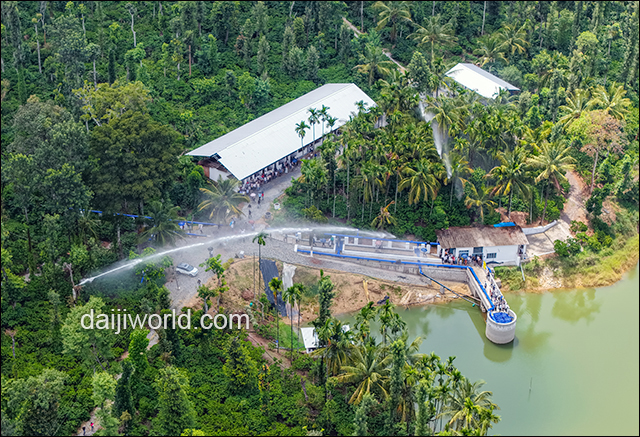
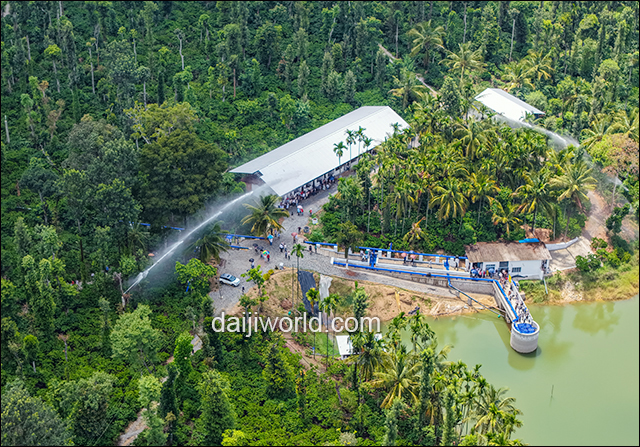
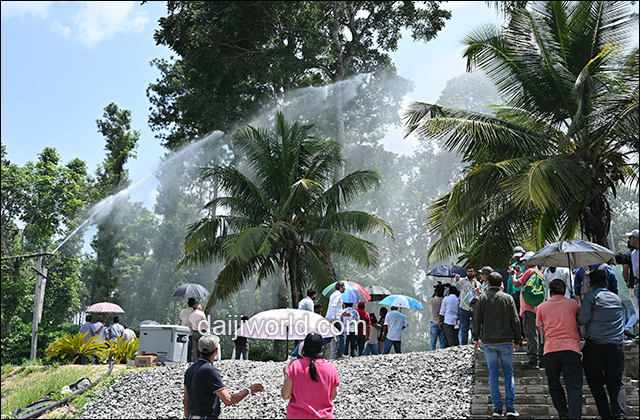
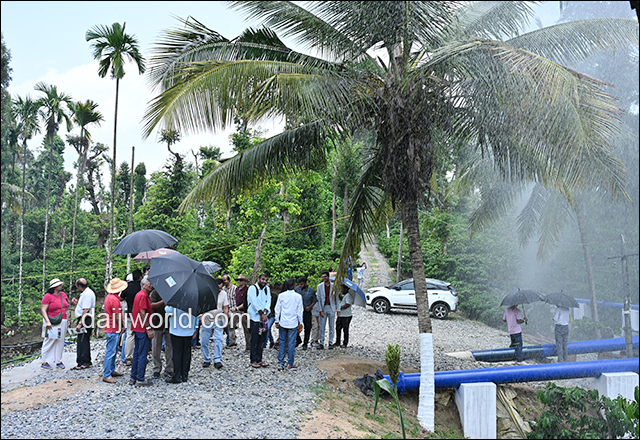
The scale of the demonstration was staggering. Designed and executed end-to-end by Water Jet Engineers in association with Rainy Research and Manufacturing, the installation saw ten Kirloskar 50 HP pumps — totalling 500 HP — powered by a 1010 KVA diesel generator, driving high-pressure Hallmark HDPE pipes connected to giant Komet Rain Guns deployed across the entire 100-acre estate.
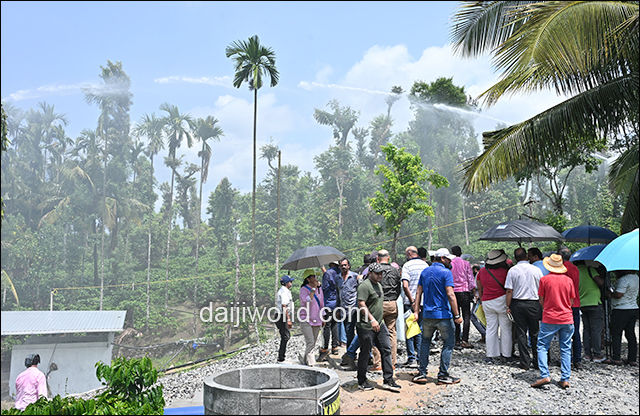
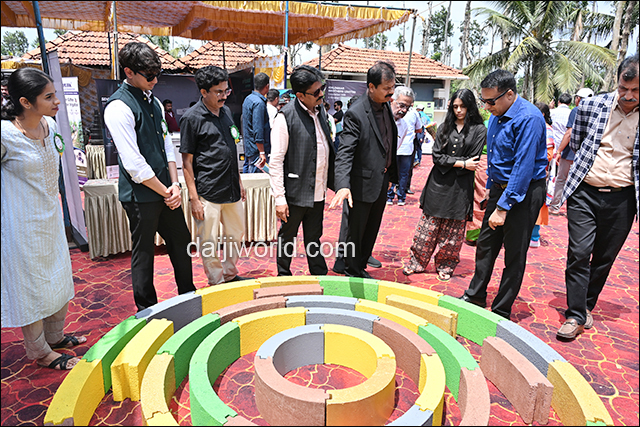
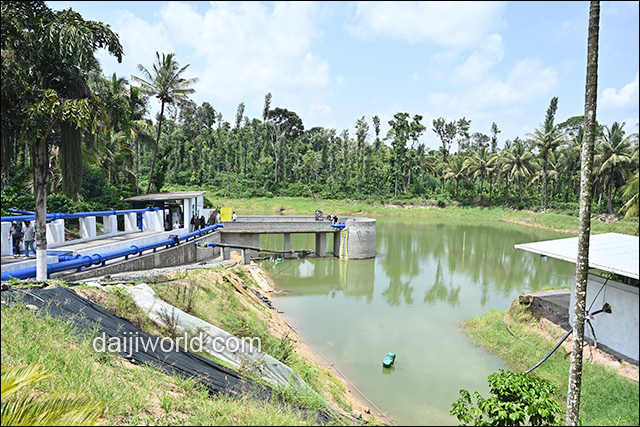
The pumps draw water through a purpose-built jackwell constructed with segmented concrete rings, positioned at the centre of the lake. The structure is engineered to handle loads of up to 8 tonnes, providing a robust and stable platform for heavy equipment. To ensure clean water intake, 24V wire screens are installed around the circumference of the jackwell, just two feet above the lake bed, effectively filtering debris before it enters the system.
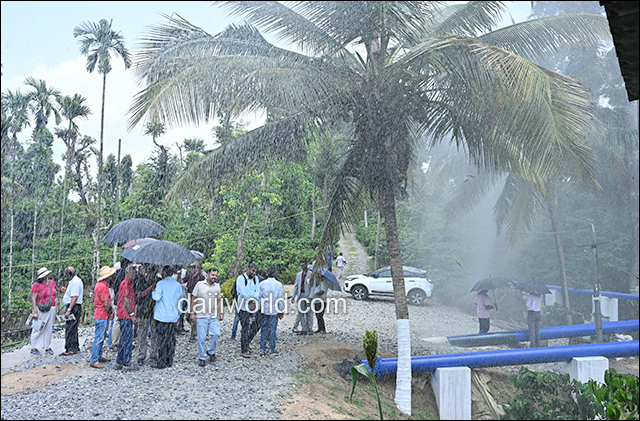
The result was a sweeping artificial micro-climate that blanketed the plantation in simulated rainfall. The sight moved many in attendance — growers were seen sheltering under umbrellas, while others simply stepped into the spray, a spontaneous celebration of what precision irrigation can deliver.
Participating companies showcased complementary technologies on the day, including Hallmark High-Pressure HDPE Pipes, Kirloskar DG Sets, Kirloskar Brothers Limited Pumps & Systems, Normex Valves, L&T Electrical Panels, and Rainy's Jackwell Concrete Segments and V-Wire Screen Filters.
Why This Matters
This demonstration was not merely about speed. It represents a convergence of modern engineering, water efficiency, and large-scale agricultural thinking — precisely what Indian farming needs in an era of water scarcity, erratic weather, and acute labour shortages.
The successful showcase has already sparked considerable interest among coffee planters, with many actively exploring adoption of the system for their own estates. With the Coffee Board of India signalling its intent to support wider adoption through subsidies, the path to scaling this technology across Karnataka's coffee belt — and beyond — looks increasingly clear.
For Karnataka's coffee belt — and potentially for coffee-growing regions across India — May 28, 2026 marks the beginning of a new chapter in precision irrigation.