Daijiworld Media Network – Mumbai
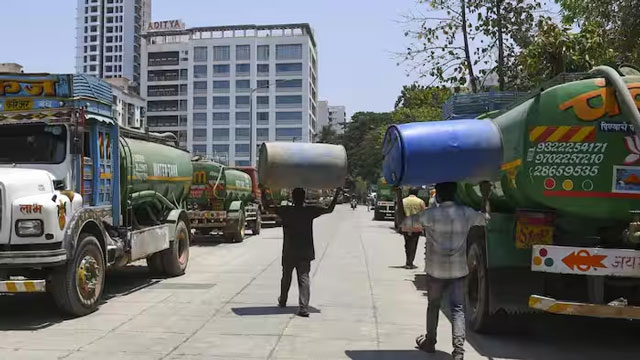
Mumbai, Jun 18: The Brihanmumbai Municipal Corporation (BMC) has begun working on contingency measures as Mumbai is reportedly left with only around 40 days of drinking water stock, amid a continued delay in the arrival of the monsoon.
According to civic data, the catchment areas of Tansa and Modak Sagar lakes have received only 13 mm and 7 mm of rainfall respectively, while other lake catchments have received negligible or no rainfall so far in 2026. Experts say the delayed monsoon has accelerated depletion of the city’s existing water reserves.
At present, the combined water stock across Mumbai’s seven lakes — Tansa, Vihar, Tulsi, Bhatsa, Upper Vaitarna, Modak Sagar and Middle Vaitarna — stands at about 1,55,167 million litres, or roughly 10.72 per cent of total capacity. Despite the decline, officials noted that current reserves are still slightly higher than the same period last year.
Mumbai draws approximately 3,950 million litres of water per day (MLD) from these reservoirs, prompting growing concern over sustainability if rainfall does not improve soon.
On May 15, the BMC had already imposed a 10 per cent water cut, reducing supply to around 3,650 MLD, after forecasts from the India Meteorological Department (IMD) indicated a weak southwest monsoon influenced by El Niño conditions.
Current storage levels across key reservoirs show sharp variation: Vihar at 42.40 per cent, Modak Sagar at 30.49 per cent, Tulsi at 23.33 per cent, Middle Vaitarna at 10.46 per cent, Bhatsa at 9.64 per cent, Tansa at 5.13 per cent, and Upper Vaitarna at zero per cent.
In response to the worsening situation, the civic body has tightened restrictions on non-essential water usage. Water supply to swimming pools has been suspended, while new construction water connections will not be approved. Temporary connections at construction sites have also been halted.
Industrial users, including railways, oil companies and defence establishments, have been directed to use recycled or treated wastewater for operational purposes. Bottling plants will receive limited water supply strictly for worker consumption, while use of potable water for gardening, washing vehicles and cleaning roads has been prohibited.
Officials have also urged citizens to avoid wastage and encouraged the use of borewells and wells for non-drinking purposes.
Experts attribute the recurring water stress in Mumbai to heavy dependence on monsoon-fed reservoirs, rapid urbanisation, ageing distribution infrastructure, and rising consumption from high-rise developments and commercial complexes.
Chief Minister Devendra Fadnavis has also directed authorities to ensure careful planning of water usage across Maharashtra, amid concerns over rainfall uncertainty and long-term water availability extending into 2027.