Daijiworld Media Network – New Delhi
New Delhi, Jul 1: India has achieved a significant milestone in pharmaceutical innovation with the US Food and Drug Administration (FDA) approving Zaynich, a novel antibiotic developed by Mumbai-based drugmaker Wockhardt. The approval makes Zaynich the first fully indigenous Indian antibiotic to receive clearance from the US regulator.
The injectable drug has been approved for the treatment of complicated urinary tract infections (cUTIs), including kidney infections known as pyelonephritis, in the United States.
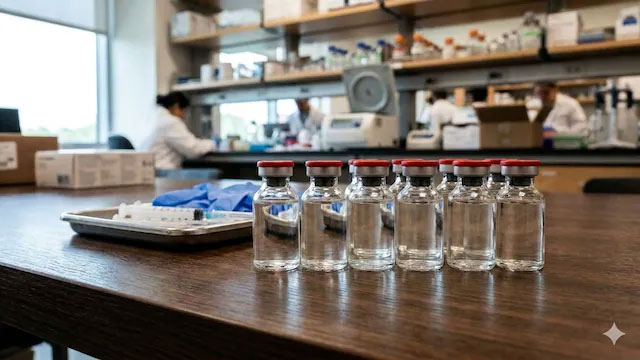
Wockhardt described the approval as a breakthrough in the global fight against antimicrobial resistance (AMR), a growing health threat caused by bacteria becoming resistant to existing antibiotics.
"The threat of drug-resistant infections is an escalating crisis, leaving clinicians with fewer tools to treat patients facing these aggressive pathogens. The FDA approval of Zaynich is a monumental step forward," said Dennis Deruelle, Chief Medical Officer at Wockhardt.
Founder and Chairman of Wockhardt Group, Dr Habil F. Khorakiwala, called the approval a historic achievement for both the company and the Indian pharmaceutical industry.
"This approval is a significant realization of our mission to provide patients with novel antibiotics that help address one of the most urgent global health threats—antimicrobial resistance. Zaynich is the first New Chemical Entity fully developed and commercialised by an Indian pharmaceutical company to receive FDA approval," he said.
Zaynich combines cefepime, a fourth-generation cephalosporin antibiotic, with zidebactam, a new molecule developed by Wockhardt. The dual-action formulation is designed to combat multidrug-resistant Gram-negative bacteria by both attacking bacterial cell walls and overcoming resistance mechanisms.
Clinical studies showed that the drug was effective against difficult-to-treat bacteria such as Escherichia coli, Klebsiella pneumoniae and Pseudomonas aeruginosa. According to the company, the antibiotic demonstrated higher cure rates than meropenem, a widely used treatment for severe bacterial infections.
The approval is expected to boost India's reputation as a centre for pharmaceutical research and innovation. While the country is widely known as the "pharmacy of the world" for producing affordable generic medicines, the successful development of Zaynich highlights India's growing capability to discover and commercialise new medicines.
Health experts believe the breakthrough could encourage greater investment in drug discovery and strengthen India's contribution to tackling the global challenge of antimicrobial resistance.