Daijiworld Media Network - Toronto
Toronto, Jul 14: A new study has found strong evidence that long COVID may be associated with damage to dopamine-releasing neurons in the brain, a finding that could explain persistent symptoms such as brain fog, fatigue, slowed movement and memory problems, while opening new avenues for treatment.
The findings, published in the journal eBioMedicine, suggest that neurological symptoms experienced by many patients after recovering from the acute phase of COVID-19 may be linked to injury in the brain's dopamine system.
Researchers from the Centre for Addiction and Mental Health (CAMH) in Canada used positron emission tomography (PET) brain imaging to examine a well-established marker of dopamine neuron integrity in 24 people with long COVID and 43 healthy individuals.
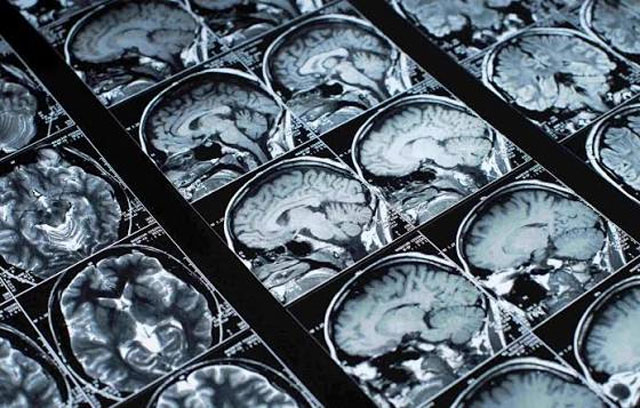
Compared with the healthy participants, people with long COVID showed significantly lower levels of the imaging marker across all major regions of the striatum, a brain structure involved in motivation, movement and cognitive functions. The reduced marker levels indicate a lower density of dopamine nerve endings.
The study found that lower marker levels in the ventral striatum were associated with greater loss of motivation, while reductions in the dorsal putamen were linked to slower movement. Marker loss in the caudate putamen was associated with memory impairment.
Researchers said the findings represent a significant shift in understanding long COVID, as previous studies have largely focused on inflammation and immune system changes, with little attention given to damage affecting dopamine-releasing neurons.
Senior author Dr Jeffrey Meyer, senior scientist at the Brain Health Imaging Centre at CAMH, said the findings suggest long COVID is, at least in part, a disorder affecting the brain's dopamine system.
"This suggests that repurposing medications that augment the function of dopamine-releasing neurons, including dopamine precursors and inhibitors of dopamine metabolism, could be a promising approach," Meyer said.
The researchers noted that loss of dopamine nerve terminals may contribute to symptoms such as apathy, slowed movement and memory decline, indicating that therapies aimed at improving dopamine signalling could offer a new treatment strategy for long COVID.
The findings build on the team's earlier research, which showed elevated levels of brain inflammation in people with long COVID, particularly in regions rich in dopamine-producing neurons.
"Our findings provide compelling evidence that long COVID involves the loss of dopamine-releasing neurons," Meyer said.
"This kind of injury is well known to produce symptoms like lack of motivation and motor slowing, and may contribute to memory difficulties in other neurological conditions. Our results suggest a similar process is occurring in long COVID," he added.