Daijiworld Media Network - Washington
Washington, Aug 13: US Immigration and Customs Enforcement (ICE) is considering equipping its agents with wearable gloves capable of delivering electric shocks to people during arrests and restraint operations, with the Department of Homeland Security (DHS) planning to spend up to $20 million on the devices.
Known as the Generated Low Output Voltage Emitter, or GLOVE, the device is manufactured by Compliant Technologies and allows an officer to deliver an electric shock by pressing a button while the glove is in contact with exposed skin.
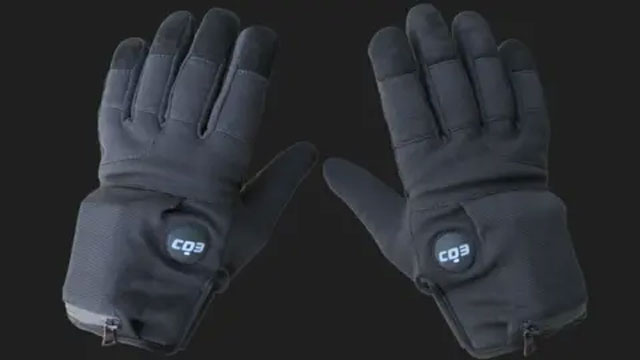
The gloves can reportedly deliver up to 380 volts and 30 pulses per second. A built-in microprocessor also records when the shock function is activated.
Unlike a conventional Taser, the device does not fire probes or darts into the body. Instead, the electrical current is delivered through direct contact between the glove and a person's skin. The manufacturer describes it as a tool intended to help officers gain compliance without causing injury.
According to a DHS note, the proposed devices would be used by officers from ICE's Homeland Security Investigations and Enforcement and Removal Operations divisions. The former investigates transnational criminal organisations, while the latter handles immigration arrests, detention and deportation operations.
DHS said ICE is continually reviewing equipment available to its officers to help them safely conduct arrests and removals. If the proposed purchase goes ahead, it would reportedly be the largest order of GLOVE devices placed with the manufacturer.
The device is activated manually using a button and requires direct contact with exposed skin. Officers could potentially make contact with clothing before moving the glove to an exposed area such as the wrist or elbow if a person resisted.
The manufacturer's user manual advises against using the device on elderly people, young children, pregnant women and severely disabled individuals. It also recommends that another officer be present to assist in restraining the person while the gloves are being used.
The GLOVE differs significantly from a Taser. Tasers typically use probes that penetrate the skin and complete an electrical circuit through the body, while the GLOVE delivers an electrical shock through direct skin contact. Although Tasers can operate at much higher voltages, voltage alone does not determine the severity of an electric shock.
The proposed purchase comes as US immigration authorities face increased scrutiny over the methods and equipment used during enforcement operations. If approved, the shock gloves would add another less-lethal restraint option to the equipment available to ICE personnel.