Daijiworld Media Network - New Delhi
New Delhi, Aug 26: India on Wednesday rejected remarks made by the United Nations Committee on the Elimination of Racial Discrimination (CERD), describing references concerning the country as "politically motivated" and "highly malicious".
In a statement, the Ministry of External Affairs (MEA) said it had taken note of the statement issued by CERD following India's 11th periodic review under the International Convention on the Elimination of All Forms of Racial Discrimination (ICERD), held in Geneva on August 11-12.
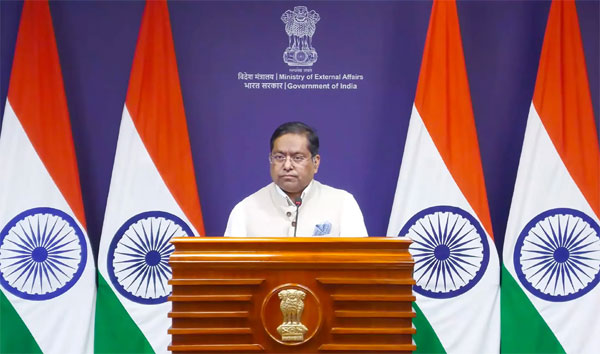
The MEA said the exercise was a routine treaty-body review in which India participated in the spirit of constructive engagement. It reiterated that India's commitment to combating racial discrimination remains unwavering.
During the review, India highlighted its constitutional safeguards, legal framework, pluralistic character and sustained efforts to protect disadvantaged communities.
"While we will respond to the Committee's observations through the established procedure, the inter-Ministerial delegation, which was led by the Solicitor General of India, Shri Tushar Mehta, had already rejected the sweeping generalisations, unsubstantiated allegations, or tendency to exceed the Convention's mandate during the review meeting," the MEA said.
"India rejects any politically motivated highly malicious references in the report with all the contempt that it deserves," it added.
The MEA statement came after CERD expressed concern over reports of "large-scale violations" allegedly perpetrated by law enforcement officials against ethnic and ethno-religious groups, Indigenous and Tribal Peoples, including Scheduled Tribes and Scheduled Castes, particularly Dalits, as well as non-citizens.
CERD is an independent expert body that monitors the implementation of the Convention on the Elimination of All Forms of Racial Discrimination by countries that are party to it.
The latest review, held on August 11-12, covered India's 12th and 21st combined periodic reports, submitted to CERD in 2023.
According to the Permanent Mission of India in Geneva, the discussions covered the institutional framework for implementing ICERD, progress made by disadvantaged groups and measures to combat prejudice and intolerance.
"The Indian delegation highlighted our pluralism; diversity; scale and complexity; constitutional and legal framework and safeguards; affirmative actions, democratic accountability; judicial remedies; targeted public policy; and sustained socio-economic development, as we continue our journey towards ensuring equality, dignity and opportunity for all Indians," the mission said.
The review, the mission added, demonstrated India's commitment to engaging with the international human rights framework while continuing efforts to protect and promote the human rights of all its citizens.
India was actively involved in the negotiation and drafting of ICERD in the 1960s, when developing countries were confronting colonialism, apartheid and racial discrimination.