Daijiworld Media Network – Washington
Washington, Aug 27: The trial of Massachusetts mother Lindsay Clancy, accused of killing her three young children, has renewed discussion in the United States over postpartum mental health, public empathy and gaps in support for new mothers.
Clancy, 36, faces three murder charges in connection with the deaths of her children — 5-year-old Cora, 3-year-old Dawson and 8-month-old Callan — in January 2023. While prosecutors allege that she planned the killings, her defence has argued that she was suffering from postpartum psychosis and should not be held criminally responsible.
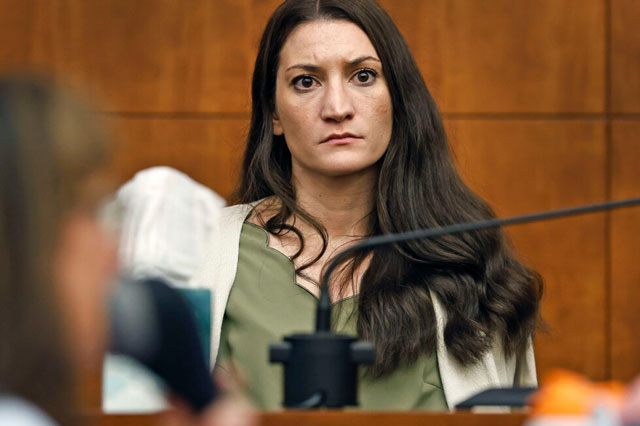
The case has drawn comparisons with that of Andrea Yates, who killed her five children in 2001. Yates was initially convicted of capital murder and sentenced to life imprisonment, but was later found not guilty by reason of insanity during a retrial and committed to a state psychiatric hospital.
Unlike the intense public condemnation surrounding the Yates case more than two decades ago, Clancy's case has prompted a significant wave of public sympathy, particularly among women and mothers who have shared their own experiences of postpartum mental health struggles.
Mental health professionals and maternal healthcare advocates say the response has helped bring greater attention to the challenges faced by women after childbirth.
Linda Hanna, a registered nurse and co-founder of a maternal care platform, said many women supporting Clancy online have experienced postpartum difficulties themselves. She said their message was essentially a call for greater attention to maternal mental health.
Dr Melissa Walsh, an obstetrician and gynaecologist, said the tragedy has also encouraged wider discussion about postpartum care in the US. While postpartum psychosis is rare, postpartum anxiety and depression affect many more women, she noted.
Experts stressed that screening alone is insufficient and that women need affordable and accessible mental healthcare after childbirth. They also pointed to the need for continued support for mothers who may no longer be in an immediate crisis but continue to struggle.
The case has additionally fuelled discussion about the pressures and unpaid responsibilities often carried by mothers. Author Eve Rodsky said the debate around Clancy's trial has brought greater attention to the so-called “mental load” of motherhood and the wider systems that support families.
The evolving public response, experts say, reflects a broader shift from simply assigning blame towards examining maternal mental health, healthcare access and possible failures in support systems.
As Clancy's trial continues, the case is increasingly being viewed not only through the question of criminal responsibility but also as a catalyst for a wider conversation about postpartum care and the wellbeing of mothers.