Daijiworld Media Network - Bengaluru
Bengaluru, Nov 7: The Indian men’s hockey team has introduced a structured nutrition and hydration programme as part of its preparations for the 2028 Los Angeles Olympics, replacing heavy curries and carbohydrate-rich meals with carefully planned diets tailored to training demands.
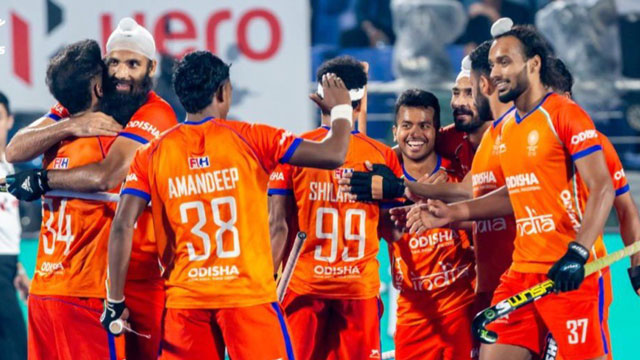
The change comes after India won gold at the Asian Games last month and lifted the Asian Champions Trophy on Thursday. With the team now targeting a third successive Olympic medal, nutrition has emerged as an important part of its efforts to improve physical performance, recovery and consistency.
For a team that has undergone significant physical, tactical and technical transformation over the past decade, the latest changes are taking place at the dining table. The new menu includes salads, hummus, avocado, grilled meats, hung-curd desserts and protein-rich milkshakes. Hydration is also closely monitored, with players advised on when and how much water to consume. Around 50 litres of isotonic lime water are prepared on particularly demanding training days.
Nutritionist Mihira Khopkar, who has been working with the team since May, has introduced a structured fuelling programme designed to match meals with the intensity of training sessions. She was also the nutritionist for the Indian contingent at the Paris Olympics.
The training programme is divided into three colour-coded categories. Red days involve the highest workload, often including match-like situations. Orange days are of moderate intensity, while green days are relatively lighter and generally include penalty-corner practice and gym sessions.
The meals follow the same colour pattern, with carbohydrate intake adjusted according to the workload. On red days, lunch and dinner include 100–150 grams of carbohydrates and around 40 grams of protein, along with additional rice, dal and other carbohydrate-rich foods. Orange-day meals contain 50–100 grams of carbohydrates and 40 grams of protein, with more pasta and potatoes. On green days, carbohydrate intake is reduced to 50–60 grams, while protein ranges from 40–50 grams.
Green-day meals include raw, steamed and stir-fried vegetables, hummus, avocado or guacamole, nuts and seeds. Protein options include grilled chicken, fish, lamb chops and prawns. The cooking is kept simple, with limited oil, basic seasoning, garlic and herbs.
Khopkar said the food available at the Sports Authority of India's Bengaluru centre was already good but needed to be customised to the players' training requirements. She now shares a weekly menu with the kitchen chef every Sunday, ensuring that meals are aligned with the upcoming training schedule.
She also studied the players' energy expenditure using data from Catapult tracking devices before calculating their calorie requirements for different training days.
Coach Craig Fulton acknowledged that nutrition had not received adequate attention in the past and said the players had now understood its importance. He stressed that the programme would deliver results only through consistency, both during training camps at the Sports Authority of India and at home.
The vegetarian options have also been expanded. With only three vegetarians in the squad that travelled for the European tour and the World Cup, the nutrition team has moved beyond the traditional paneer-based choices. The menu includes grilled paneer, hung-curd desserts with mango and protein-enriched milkshakes. Some milkshakes contain skimmed milk powder, providing around 10 grams of protein per glass.
Khopkar said players could choose from different food options, including rice, tortillas and noodles, while ensuring that the ingredients remained nutritious and meals were not excessively heavy.
The programme also focuses on reducing injury and illness risks. According to Khopkar, adequate nutrition helps maintain immunity, supports recovery and increases the number of days players remain available for training and competition.
Hydration is another major component. On demanding red days, the kitchen prepares around 50 litres of isotonic lime water. Morning recovery drinks include watermelon and pineapple juice, while evening options include milkshakes made with mango and dates, dry fruits, banana and chocolate, and avocado, without added sugar.
Khopkar said dehydration could affect not only physical endurance but also concentration and decision-making. Losing more than two per cent of body weight through fluid loss can impair cognitive performance, a significant concern in hockey, where players must make quick decisions during high-intensity play.
Vice-captain Hardik Singh said the nutrition sessions helped him understand the need to increase protein intake. Although carbohydrates remain essential because of the physical demands of the game, he realised that his earlier diet contained more carbohydrates than he required.
He said balancing protein and carbohydrate intake could make a difference to performance and help the team achieve better results.