Daijiworld Media Network - Kathmandu
Kathmandu, Aug 29: Nepal authorities have decided to bury 229 unidentified and unclaimed bodies recovered from the flood-hit southern Chitwan district, citing the risk of infection and the deteriorating condition of the remains.
According to the National Disaster Risk Reduction and Management Authority (NDRRMA), 626 bodies recovered from the floods had been collected across the country as of 10 am on Saturday. Chitwan accounted for the highest number, with 233 bodies recovered.
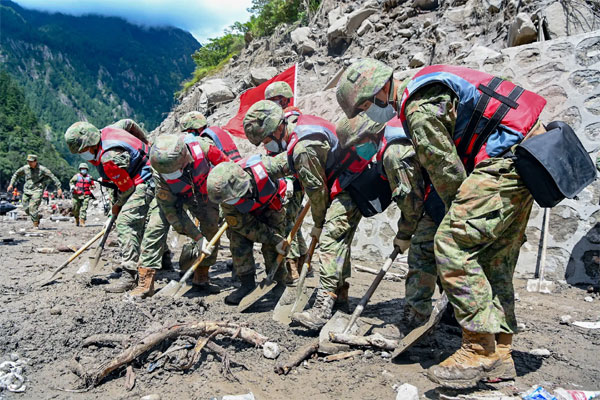
The number of bodies brought to Chitwan continued to rise following the devastating floods in the Bhote Koshi River on August 26, putting pressure on hospitals and temporary facilities that lacked adequate space to preserve the remains.
Health experts warned that increasing decomposition and the foul smell from bodies being kept under temporary arrangements could raise the risk of infections and potentially contribute to the spread of an epidemic.
Following the warnings, the Chitwan District Security Committee decided on Saturday to bury all unidentified and unclaimed bodies.
The District Administration Office (DAO), Chitwan, said in a notice that the bodies would be buried in an open area at Devghat in Ward No. 1 of Bharatpur Metropolitan City, with the process beginning Saturday.
Authorities said DNA samples would be collected from all the bodies before burial. Identification or reference numbers would also be assigned and records maintained to facilitate identification in the future.
A senior DAO official said hospitals in Chitwan have adequate facilities to preserve only around 30 bodies for a prolonged period.
"As the number of dead bodies piled up, we used a house as a cooling centre where the bodies were kept," the official said. "As the house also ran out of space, we had no alternative but to bury them."
The official said the burial process would be carried out in accordance with international guidelines and the necessary provisions of the Unidentified and Unclaimed Bodies Management (First Amendment) Directive, 2083.