Daijiworld Media Network - Mumbai
Mumbai, Sep 6: Patients with severe mental health conditions in Maharashtra are being forced to travel hundreds of kilometres for hospital admission as none of the state's 32 district hospitals has a functional 10-bed inpatient psychiatric unit mandated under the District Mental Health Programme (DMHP).
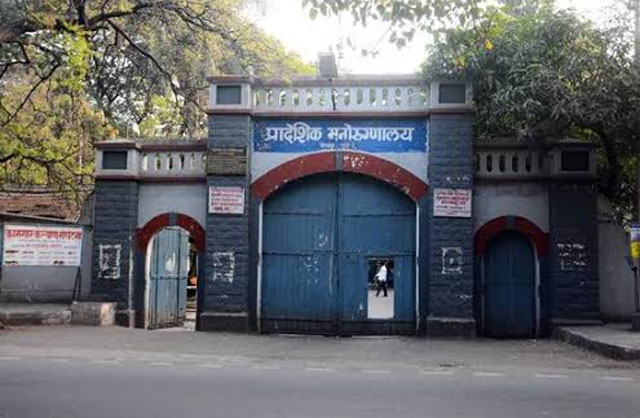
The shortage is placing additional pressure on the state's four regional mental hospitals (RMHs) in Pune, Thane, Nagpur and Ratnagiri, while families of patients face long journeys, higher expenses and difficulties securing admission when their conditions deteriorate.
"We have to strengthen the comprehensive mental health programme, activate indoor facilities and expand outreach. People come from far-off places, even 500 kilometres away. Treatment at the primary level and early intervention can prevent patients from reaching a severe condition," said Dr Shrinivas Kolod, additional director (mental health) and chief executive officer of the State Mental Health Authority, Maharashtra.
Launched in 1996 under the National Mental Health Programme, the DMHP was designed to decentralise mental healthcare and integrate it with general healthcare services. Under the programme, district hospitals are expected to have 10-bed psychiatric inpatient units to provide admission, treatment, counselling, medication, rehabilitation and follow-up care.
However, while the programme is operational in Maharashtra, its inpatient component remains non-functional at district hospitals.
Staff appointed under the programme, including psychiatrists, clinical psychologists, psychiatric nurses and psychiatric social workers, are also being utilised for other healthcare services instead of being deployed exclusively for district-level mental healthcare.
Health activist Sharad Shetty wrote to the Maharashtra government on August 31, seeking implementation of 10-bed psychiatric inpatient units at every district hospital.
"Every district hospital should have a 10-bed psychiatric inpatient unit so that patients do not have to travel long distances for basic mental healthcare. Several district hospitals have staff appointed under the programme. However, they are not implementing the programme," Shetty said.
The absence of functional inpatient facilities at district hospitals means patients requiring admission are often referred to the four RMHs in Pune, Thane, Nagpur and Ratnagiri.
According to official figures, the four hospitals recorded around 2.29 lakh outpatient and indoor patients during 2025-26. Nagpur accounted for 73,208 patients, followed by Pune with 64,598, Thane with 60,803 and Ratnagiri with 30,489.
The combined patient load at the four hospitals stood at around 2.12 lakh in each of the previous two years, highlighting the continuing pressure on the state's regional mental healthcare facilities.
For families, repeated travel to regional hospitals can create significant financial and logistical difficulties.
"We have to travel a long distance every time the patient needs treatment. The travel costs add to our burden, and getting admission is another struggle," said a relative of a patient at the Regional Mental Hospital in Pune.
Kolod said civil surgeons should appoint additional teams and specialists wherever required to strengthen mental healthcare services at district hospitals.
He also suggested that medical residents working under the district residency programme could be utilised for patient care.
Mental health experts and activists have argued that making the mandated inpatient units functional at district hospitals would reduce the pressure on regional mental hospitals while allowing patients to receive treatment closer to their homes.
The existing gap in district-level psychiatric care has also raised concerns over the effectiveness of decentralised mental healthcare in Maharashtra, with officials stressing that early intervention and treatment at the primary and district levels could prevent patients from developing severe conditions requiring hospital admission.