Daijiworld Media Network – Panaji
Panaji, Sep 14: With the monsoon entering its final leg, several key reservoirs across Goa are yet to reach full capacity by mid-September. The shortfall comes as the state records a nearly 30 per cent rainfall deficit this year—a figure higher than the national average.
The delayed and sub-par filling of dams has triggered concerns among authorities. Under normal monsoon conditions, Goa's reservoirs typically overflow by late July or mid-August at the latest.
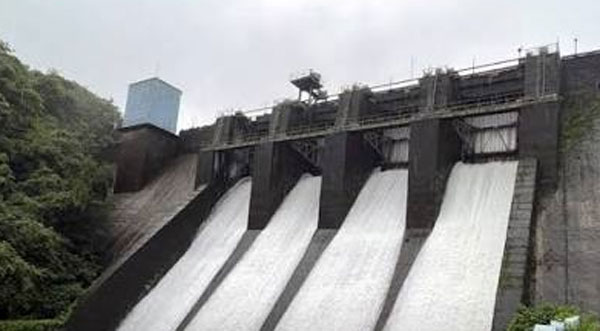
Current Water Levels Across Major Reservoirs:
Chapoli Reservoir (Canacona): Currently standing at around 75 per cent capacity.
Tillari Reservoir (Dodamarg): Reached 93 per cent capacity. Normally, Tillari fills to this level by August with gates opened to discharge excess water. However, the gates remain closed this season.
Selaulim Reservoir (South Goa): Reached full capacity last month, but recorded its most delayed spillover in over a decade.
Anjunem Reservoir: Standing at 97 per cent capacity, with gates yet to be opened.
Panchwadi Reservoir (Shiroda): Touched 99 per cent capacity only this week.
Amthane Reservoir: Reached 96 per cent capacity, supported by water pumped from the Chapora river to supply Bardez, Bicholim, and Pernem.
Gaunem Reservoir: One of the few reservoirs in the state to reach full capacity.
Precautionary Measures & Summer Outlook
Taking note of the situation, Water Resources Minister Subhash Shirodkar stated that he has instructed officials to close all 400 to 500 bandharas (check dams) across rivers during Ganesh Chaturthi to conserve raw water reserves. He also appealed to citizens across the state to use water judiciously.
The reduced raw water storage could present a severe challenge during the upcoming summer months. Last year, heavy post-monsoon showers kept reservoirs full until November, keeping the soil moist and allowing the Water Resources Department to defer irrigation releases. However, with the monsoon expected to retreat early this year, irrigation releases may have to begin much sooner, potentially straining drinking water supplies.