Daijiworld Media Network - New Delhi
New Delhi, Sep 23: Systemic treatments for psoriasis were associated with different infection risk profiles, with tuberculosis and meningitis remaining rare while candidiasis was more frequently reported among patients receiving interleukin (IL)-17 inhibitors, according to a nationwide cohort study involving 18,635 patients.
The study analysed 40,930 treatment episodes covering 118,018 person-years of follow-up between 2007 and 2024. Adults with psoriasis receiving systemic treatments were followed from the start of treatment until discontinuation, death or the last available follow-up.
Researchers assessed cases of tuberculosis, meningitis, candidiasis and other fungal infections. Incidence rates and incidence rate ratios (IRRs) were calculated using adjusted statistical models to compare infection risks across treatment groups.
During the follow-up period, the study recorded 22 cases of tuberculosis, 29 cases of meningitis and 888 fungal infections, including 450 cases of candidiasis.
The incidence rate per 1,000 person-years was 0.19 for tuberculosis (95 per cent confidence interval [CI]: 0.12–0.29), 0.25 for meningitis (95 per cent CI: 0.16–0.35) and 7.53 for fungal infections (95 per cent CI: 7.05–8.05).
Most tuberculosis and meningitis cases occurred among patients receiving tumour necrosis factor-alpha (TNF-α) inhibitors, particularly adalimumab. Tuberculosis cases were predominantly pulmonary, while most meningitis cases were viral in origin. Fewer than five meningitis cases were associated with death within 30 days.
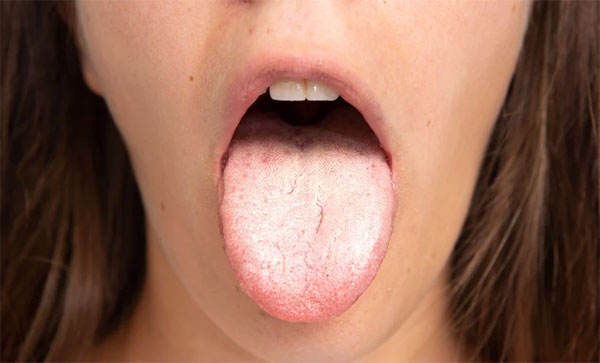
The study found that patients receiving IL-17 inhibitors had a higher risk of candidiasis compared with those receiving other systemic treatments. The IRRs ranged from 2.67 when compared with apremilast (95 per cent CI: 1.33–5.36) to 4.65 when compared with IL-12/23 inhibitors (95 per cent CI: 3.46–6.24).
No significant differences in candidiasis risk were found between individual IL-17 inhibitors. Researchers also found no statistically significant differences between treatment groups for fungal infections other than candidiasis.
The researchers concluded that tuberculosis and meningitis were uncommon among patients receiving systemic psoriasis treatments, although longer follow-up would be required to better understand the risks associated with newer therapies.
Candidiasis and other fungal infections, in contrast, were more frequently observed. The increased candidiasis risk associated with IL-17 inhibitors highlights differences in infection profiles among systemic psoriasis treatments, the researchers noted.