Daijiworld Media Network - Thiruvananthapuram
Thiruvananthapuram, Nov 8: Kerala is witnessing a worrying resurgence of measles, with outbreaks reported across several districts, particularly Kozhikode, Malappuram and Palakkad. The changing pattern of infections, including cases among older children, adults, fully vaccinated individuals and infants below nine months, has prompted public health experts to call for a detailed reassessment of the disease's epidemiology and existing vaccination strategies.
According to health department figures reported in November, Kerala had recorded 538 confirmed measles cases as of October 2026, with more than 1,000 people developing symptoms. More than 160 cases were reported in Malappuram and Kozhikode alone. The outbreak has claimed four lives, raising concerns about vaccination gaps, delayed diagnosis and the possibility of further transmission.
Measles, traditionally considered a childhood disease primarily affecting children between one and five years of age, is increasingly being reported among different age groups. Experts point out that improvements in childhood immunisation have altered the age distribution of susceptible individuals, while gaps in vaccination and inadequate immunity in some vaccinated individuals could be contributing to the changing pattern.
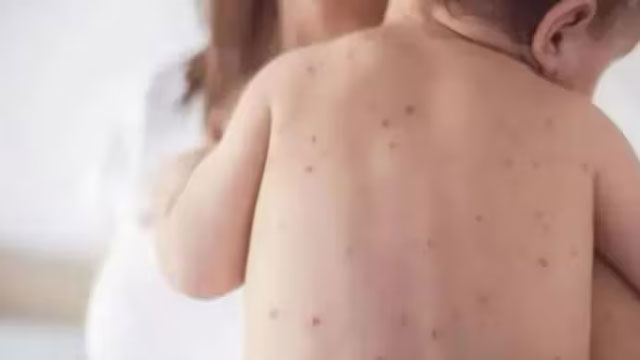
Malappuram has emerged as one of the major hotspots, with several localities reporting clusters of infections. Two children died of measles within a week in September, including a 10-month-old infant from Valavannur who died on September 15 and a one-and-a-half-year-old boy who succumbed to the infection subsequently.
The district had reported 103 confirmed cases at the time, with infections concentrated in Valavannur, Kuttippuram, Vengara and Pookkottur.
A major concern is the district's incomplete measles-rubella (MR) vaccination coverage. Health department figures indicate that nearly one-third of eligible children had not received both recommended doses during each of the preceding three years.
While 91 per cent of eligible children received the first dose in 2021-22, only 79 per cent received the second dose. Second-dose coverage subsequently stood at 81 per cent in 2022-23, 63 per cent in 2023-24, 61 per cent in 2024-25 and 63 per cent in 2025-26.
In some areas, the coverage has been particularly poor. More than 40 per cent of children in Vengara, Tanur, Malappuram and Areekode block panchayat areas had not completed both doses. Vengara recorded one of the lowest coverage levels, with only 52 per cent of eligible children receiving the complete vaccination course.
The Kerala State Commission for Protection of Child Rights has also intervened, seeking reports from the district medical officer and district child protection officer and directing authorities to identify children who may have been left out of the vaccination programme.
Kozhikode has witnessed a significant increase in infections, with 161 confirmed cases and 116 suspected cases reported by October 2026. The district also recorded one death.
Several infections have been reported in Kavilumpara panchayat in the Thottilpalam region, where five primary schoolchildren tested positive in October. Health officials found that the affected children had missed their scheduled measles vaccination.
The health department has intensified surveillance, household visits, awareness campaigns and vaccination drives in affected localities. Officials are also coordinating with local bodies and other government departments to identify unvaccinated children and prevent further transmission.
One of the important questions raised by the changing outbreak pattern is whether vaccination alone is sufficient to ensure population-wide protection.
Although the measles vaccine is highly effective, a small proportion of vaccinated individuals may not develop adequate protective immunity after vaccination. This is known as primary vaccine failure. In some individuals, immunity may also decline over time, although this is not considered the principal explanation for every breakthrough infection.
A study published in JAMA Network Open examined measles immunity among 684 vaccinated children and 544 mothers from Kerala and Tamil Nadu. All the children included in the study had received at least two doses of measles-containing vaccines.
The findings showed that 90.8 per cent of the vaccinated children had positive measles-specific IgG antibodies, while 91.5 per cent had protective neutralising antibody levels. Researchers also observed evidence suggesting possible breakthrough infections despite high vaccination coverage.
The study highlighted that vaccination coverage figures do not necessarily reflect the actual level of immunity in a population. Researchers stressed the importance of understanding variations in immune responses and identifying gaps that could allow the virus to continue circulating.
The emergence of infections among infants below nine months is another significant concern for public health authorities.
Under India's routine immunisation programme, the first dose of the measles-rubella vaccine is administered between nine and 12 months of age, followed by a second dose between 16 and 24 months.
Infants below nine months are therefore not yet eligible for routine measles vaccination. They depend partly on maternal antibodies transferred during pregnancy for protection against the infection. However, the level of these antibodies can decline during the first few months of life, leaving some infants susceptible before they become eligible for vaccination.
The deaths of infants in Malappuram have highlighted the vulnerability of this age group, particularly in communities where the virus is circulating.
The changing age distribution of measles infections is not unique to Kerala. Public health experts have previously warned that as childhood vaccination coverage improves, susceptible individuals who missed immunisation or failed to develop adequate immunity may increasingly be found among older age groups.
An earlier assessment circulated by the Union Health Ministry's Integrated Disease Surveillance Programme highlighted the growing concern over measles infections among adults, particularly those aged 19 to 35. It also pointed out that older individuals could face more severe complications, especially pregnant women and people with weakened immune systems.
Measles can cause serious complications, including pneumonia, severe diarrhoea, dehydration and encephalitis, an inflammation of the brain. Malnourished children and individuals with compromised immunity are particularly vulnerable.
According to the World Health Organization (WHO), measles is among the most contagious infectious diseases and spreads through airborne respiratory particles when an infected person coughs, sneezes or breathes. The virus can remain infectious in the air or on contaminated surfaces for up to two hours.
Symptoms generally develop seven to 14 days after exposure and include high fever, cough, runny nose and red, watery eyes. Small white spots may appear inside the cheeks, followed by a characteristic reddish rash that usually begins on the face and spreads across the body.
The Kerala Health Department has intensified vaccination campaigns, surveillance and public awareness programmes in affected districts. Special attention is being given to identifying children who have missed one or both doses of the MR vaccine.
Health officials are also distributing Vitamin A supplements and advising parents to seek medical attention immediately if children develop symptoms of measles. Infected children should be kept away from schools and anganwadis to prevent further transmission.
The WHO recommends two doses of measles-containing vaccine to ensure adequate protection. Vitamin A supplementation is also recommended for children diagnosed with measles, as it can help reduce the risk of serious complications.
Public health experts believe that the current outbreak calls for more than just intensified vaccination drives. They have stressed the need for detailed epidemiological investigations, accurate documentation of vaccination status, laboratory confirmation of suspected cases and assessment of immunity among different age groups.
The emerging pattern also underlines the importance of identifying vulnerable communities, addressing vaccine hesitancy and ensuring that no eligible child is left out of routine immunisation.
With infections continuing to be reported across Kerala, strengthening surveillance and closing existing immunity gaps remain crucial to preventing further outbreaks and protecting vulnerable populations.