Daijiworld Media Network - New Delhi
New Delhi, Sep 28: The management of diabetes has undergone significant changes in recent years, with treatment increasingly moving beyond simply controlling blood glucose levels to addressing a person’s overall health and long-term risk of complications.
For decades, diabetes treatment has focused primarily on keeping blood glucose levels within the recommended range. Doctors now also consider factors such as a patient’s weight, cardiovascular health, kidney function, risk of complications and lifestyle while determining an appropriate treatment strategy.
This broader approach has opened the door to newer therapies that can address multiple aspects of diabetes management at the same time.
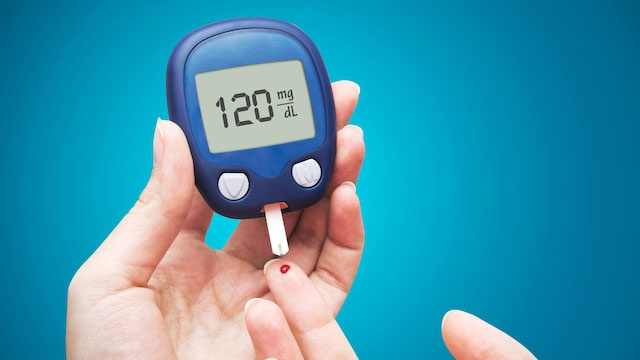
From glucose control to comprehensive diabetes care
Diabetes is a progressive condition whose effects extend beyond elevated blood sugar. Persistently high blood glucose can damage the heart, kidneys, eyes, nerves and blood vessels. Managing diabetes therefore involves not only controlling blood sugar but also reducing long-term health risks.
This has led to greater use of personalised treatment plans. Rather than following the same approach for every patient, doctors increasingly select therapies according to individual clinical characteristics, existing health conditions and treatment objectives.
Emerging therapies in diabetes management
One development is the introduction of once-weekly insulin therapies. People who require insulin have traditionally needed daily injections, which can be inconvenient and may cause discomfort. Once-weekly insulin options such as Awiqli and Onswik are designed to reduce the frequency of injections from 365 a year to 52, subject to the appropriate indication and regulatory approval.
Another area of development is oral GLP-1 therapy. Oral semaglutide is a tablet-based treatment that works through the GLP-1 pathway, helping improve blood glucose control and influencing appetite and body weight. It belongs to the same broad therapeutic class as injectable semaglutide medicines, although formulations and approved uses differ.
Triple-hormone therapies, also known as multi-incretin approaches, are another area under investigation. These medicines target three hormone pathways — GLP-1, GIP and glucagon — with the potential to improve blood sugar control, influence digestion and appetite, and increase energy expenditure. Such therapies remain under clinical investigation.
Sodium-glucose cotransporter-2 (SGLT2) inhibitors are another established class of oral medicines used in type 2 diabetes. They work independently of insulin by reducing the reabsorption of glucose by the kidneys. Normally, the kidneys filter glucose from the blood and reabsorb most of it through proteins including SGLT2. SGLT2 inhibitors block this process, allowing more glucose to leave the body through urine.
Cellular therapy is also being explored for selected people with type 1 diabetes. Lantidra, an FDA-approved donor-derived pancreatic islet cell therapy, involves transplanting insulin-producing cells into the liver. In appropriately selected patients, the transplanted cells can produce insulin and may reduce the need for insulin injections. The treatment has specific eligibility requirements and risks and is not intended for all people with type 1 diabetes.
How effective are these therapies?
Newer diabetes therapies can significantly improve glucose control, while some can also contribute to meaningful weight reduction. Clinical evidence has demonstrated cardiovascular and kidney benefits with certain medicines in appropriate patient populations.
However, these treatments are not a universal solution. Their effectiveness and suitability can vary from person to person. Treatment decisions need to consider existing medical conditions, other medicines being taken, treatment goals, tolerability, affordability and other individual circumstances.
The objective should not simply be to prescribe the newest available medicine, but to identify the therapy that provides the greatest overall benefit for an individual patient.
The emergence of newer treatments also does not make insulin obsolete. Insulin remains an essential and highly effective treatment for many people with diabetes. Some patients require insulin as the disease progresses, while others may need it depending on their blood glucose levels and individual clinical circumstances.
Newer medicines and insulin should therefore not necessarily be viewed as competing treatments. In some cases, they can form part of a broader treatment strategy.
One of the most significant changes in diabetes care is the growing emphasis on overall metabolic and organ health rather than blood sugar control alone. A treatment decision may now consider not only whether a medicine lowers HbA1c, but also whether it can assist with weight management or reduce cardiovascular and kidney-related risks in an appropriate patient.
This broader approach could influence the long-term management of diabetes by allowing doctors to address several risk factors together and, where appropriate, intervene earlier.
Despite advances in medication, healthy lifestyle habits remain an important part of diabetes care. A balanced diet, regular physical activity, adequate sleep, weight management, stress management and regular monitoring continue to play an important role.
Patients should also avoid starting or stopping diabetes medication solely on the basis of information found online or recommendations from others. Every treatment has potential benefits, limitations and side effects, and the appropriate choice depends on an individual’s medical history and clinical needs.
Looking ahead
The future of diabetes treatment is unlikely to centre on finding one medicine that is suitable for everyone. Instead, care is increasingly moving towards personalised treatment, with doctors choosing the appropriate therapy or combination of therapies for the right patient at the right stage of the disease.
As treatment options continue to evolve, the broader goal remains sustainable glucose control, reduced risk of complications and helping people with diabetes lead healthier, longer and more active lives.
The progress in diabetes treatment offers considerable possibilities, but the greatest benefits are likely to come when newer therapies are combined with early diagnosis, appropriate medical supervision and sustainable lifestyle changes.