Daijiworld Media Network - Brasília
Brasília, Oct 27: Brazilian President Luiz Inácio Lula da Silva has defeated right-wing leader Flavio Bolsonaro to secure a historic fourth term, overcoming projections and retaining power in Latin America's largest democracy.
Lula secured 51.75 per cent of the votes in Sunday's election, while Bolsonaro received 48.25 per cent. The victory is seen as a setback for the conservative wave that has swept across parts of South America, including Argentina, Chile, Colombia and Peru.
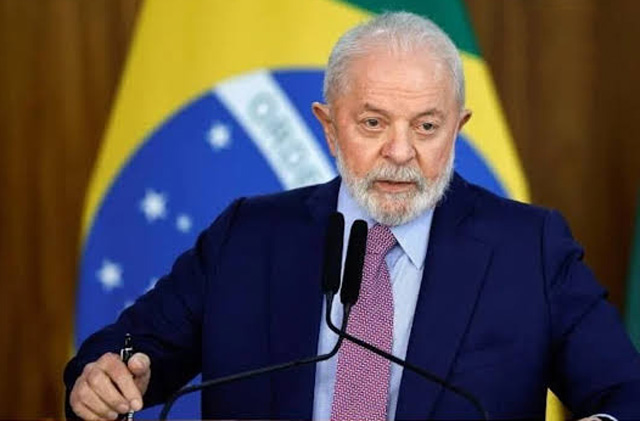
Following his victory, Lula said his campaign had convinced voters of the importance of protecting democracy and accused foreign forces of interfering through digital platforms. He also pledged to increase public participation in decision-making.
“We defeated foreign intervention through digital platforms. Brazil is no one's backyard,” he said after the victory.
Celebrations broke out among Lula's supporters, with Edinho Silva, head of the president's Workers' Party, describing the result as a historic turning point for democracy.
The election was marked by controversy after voting hours were extended by two hours following a request by Lula, who alleged that buses had been withdrawn from service in several cities, preventing some citizens from reaching polling stations.
Lula's supporters accused Bolsonaro's camp of restricting bus availability to influence the outcome. Bolsonaro, however, also called for an extension of voting in some areas following heavy rainfall.
The decision triggered arguments between supporters of the two candidates. Lula's backers maintained that extending voting hours was necessary to ensure everyone had the opportunity to vote, while some Bolsonaro supporters criticised the move.
Lula's fourth term is expected to pose significant challenges, with nearly half of the electorate voting against him and a right-dominated Congress likely to complicate his legislative agenda.
Economic constraints, slowing growth and persistent insecurity caused by criminal factions are expected to remain major concerns for the government. Lula will also face pressure to address violence in working-class neighbourhoods.
His campaign focused heavily on national sovereignty amid commercial and diplomatic tensions with the United States under President Donald Trump. Lula accused his rival of favouring Washington's interests and urged voters to support a government that prioritised Brazil's independence.
By the end of his new term in 2030, Lula will be 85 years old and will have spent a total of 16 years as Brazil's president.