Daijiworld Media Network – Bengaluru
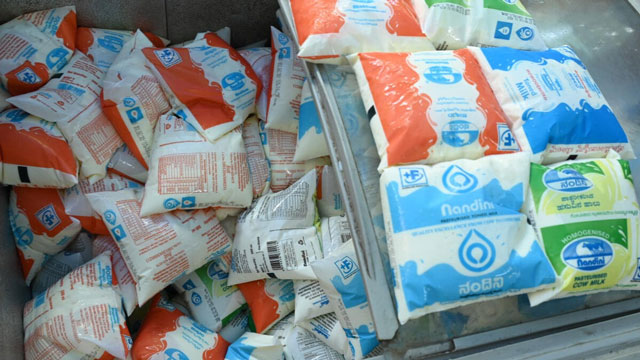
Bengaluru, October 29: The Karnataka Cabinet has approved an Rs 8-per-litre increase in the procurement price of Nandini milk from November 1, with Rs 7 going directly to dairy farmers and Re 1 allocated to milk unions to meet operational expenses.
The decision has drawn criticism from Bengaluru's hotel industry, which has warned that the increase could push up the prices of tea, coffee, snacks and other milk-based food and beverages.
The decision was taken at a Cabinet meeting chaired by chief minister D K Shivakumar at Vidhana Soudha on Thursday.
Bengaluru Development and Parliamentary Affairs Minister Krishna Byre Gowda announced the revision while briefing the media after the meeting.
With the increase, the procurement price paid to farmers will rise from Rs 35 to Rs 42 per litre. Including the existing state government incentive of Rs 5 per litre, farmers will effectively receive Rs 47 per litre.
The retail price of milk is expected to rise to around Rs 54 per litre, although the final selling price will be decided by the respective milk unions, taking into account factors such as fat and solids-not-fat (SNF) content.
Gowda said the decision was taken in view of the difficulties faced by dairy farmers amid drought conditions, rising input costs and declining milk procurement.
“About 228 taluks have been affected by drought, and the El Niño effect and summer conditions have also affected milk production. Daily milk procurement has declined by around 10 lakh litres. In this situation, it is our responsibility to support dairy farmers,” he said.
Farmers had been demanding an increase of Rs 10 per litre and had staged protests in Bengaluru. After several rounds of discussions with milk unions and the ministers concerned, the Cabinet settled on an Rs 8 increase.
“Farmers were demanding an increase of Rs 10 per litre. After examining their demand and the financial implications, the Cabinet decided to increase the price by Rs 8 per litre, of which Rs 7 will go to farmers and Re 1 to milk unions,” Gowda said.
The allocation to milk unions is intended to help them meet rising costs of packaging, transportation, fuel and other operational expenses. Gowda also said the unions operated autonomously and that the procurement price revision was their independent decision, with the government facilitating support for farmers.
“Milk unions belong to the dairy farmers. They have to ensure that farmers receive a remunerative price while also meeting the costs of processing, packaging and transportation,” he said.
Gowda maintained that Karnataka's milk prices would remain competitive even after the revision. Citing comparisons, he said milk cost around Rs 59 per litre in Delhi and Maharashtra, Rs 57 in Gujarat, Rs 64 in Telangana and Rs 56 in Kerala. Some competing brands charged considerably more, he added.
Hotels warn of price increases
The Bengaluru Hotel Owners' Association has expressed strong dissatisfaction with the hike, warning that higher prices for milk-based products would become unavoidable for hotels.
In a press release, the association said the Rs 8 increase was unprecedented and argued that limiting it to Rs 2 or Rs 3 per litre would have spared hotels from raising the prices of tea, coffee and snacks.
The association said the steep increase would affect ordinary consumers, senior citizens, pregnant women and children who rely on milk as a nutritious food. It urged the government to limit the increase in the prices of Nandini milk and milk products and encourage greater consumption.
The association also called on the government to control administrative expenditure in the dairy sector and support farmers through incentives to keep price increases in check.
“While making such a substantial increase in prices, it is also essential to give careful consideration to the interests of ordinary people,” the statement said.
Pointing to the continuing rise in rice prices, the association said the combined impact of increasing costs was adding to the pressure on the hotel industry.
“Along with the increase in milk prices, rice prices have also been rising day by day in recent times. As this has not been brought under control, increasing the prices of coffee, tea, snacks and other food items in hotels has become inevitable,” it said.
The Cabinet had agreed in principle to revise the milk procurement price at its previous meeting, but the final decision was left to the chief minister's discretion because the model code of conduct for the Legislative Council elections was in force. With the elections over, the revised procurement rates are set to take effect on November 1, ahead of the Deepavali festival.