Daijiworld Media Network - London
London, Nov 3: The United Kingdom has confirmed the first detections of Shamonda virus (SHAV) in livestock across Great Britain, with positive cases identified at two commercial dairy farms in Shropshire, England, and Powys, Wales, raising concerns over the spread of the emerging animal disease across Europe.
The Department for Environment, Food and Rural Affairs (Defra) confirmed on Monday, November 2, that samples collected from cattle at the two farms in October tested positive at laboratories of the Animal and Plant Health Agency (APHA) in Weybridge.
The latest detections follow reports of the virus in several European countries, including Jersey in the Channel Islands and the Republic of Ireland. Authorities said the development was not unexpected given the recent spread of the virus across Europe.
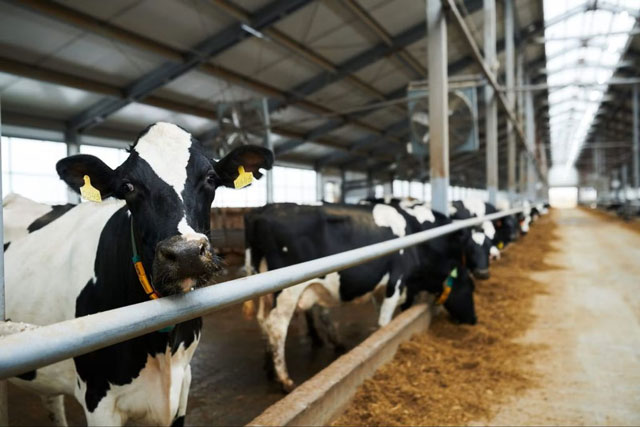
Shamonda virus belongs to the Orthobunyavirus genus of the Simbu serogroup and is closely related to Schmallenberg virus. It is believed to spread primarily through the bites of infected Culicoides midges, which also transmit other livestock diseases, including bluetongue and Schmallenberg virus.
The virus mainly affects cattle, particularly adult dairy cows, although infections have also been identified in sheep, goats, horses and alpacas.
Infected cattle may develop sudden fever, diarrhoea, lethargy, reduced appetite, decreased rumination and a temporary but significant drop in milk production. Reproductive complications, including abortions, retained foetal membranes and inflammation of the reproductive tract, have also been reported in affected herds.
Congenital abnormalities, including skeletal and neurological defects in calves and lambs, have been associated with infections during pregnancy. However, veterinary authorities have cautioned that the full reproductive impact of the European variants remains under investigation.
Defra has confirmed that Shamonda virus is neither a notifiable nor a reportable disease under current UK regulations. Consequently, there are no mandatory movement restrictions or compulsory culling requirements for affected farms. Authorities have also stated that there is presently no evidence requiring additional disease-control measures.
Nevertheless, livestock owners have been advised to closely monitor their animals for unusual clinical symptoms and contact their private veterinarians if they suspect infection. Early veterinary assessment and supportive treatment are recommended to manage affected animals.
The APHA, Defra and the relevant agricultural authorities in England, Wales and Scotland will continue monitoring the spread of the virus and assessing its potential impact on livestock populations.
The emergence of Shamonda virus has drawn attention to the role of climate and environmental conditions in the spread of insect-borne livestock diseases. Warmer seasonal temperatures and extended periods of midge activity could facilitate the movement of infected vectors across geographical regions, although the precise transmission patterns of the current European variants are still being studied.
The disease could also have economic implications for dairy farmers, particularly during the autumn and winter calving seasons. Reduced milk production, reproductive losses and additional veterinary expenses could affect farm productivity and profitability.
There is currently no specific treatment or commercially available vaccine for Shamonda virus. Veterinary management is therefore limited to supportive care, including anti-inflammatory treatment where appropriate, while pregnant animals require close monitoring.
Meanwhile, UK authorities have reassured the public that there is currently no evidence of a food safety risk associated with the virus. Although a human infection was recently confirmed in a severely immunocompromised man in France, the UK Health Security Agency considers the risk to the general population to be very low, with no evidence of wider human transmission.
Veterinary and agricultural organisations across Britain are continuing surveillance to determine the geographical spread of the virus and its longer-term impact on the country's livestock industry.