Daijiworld Media Network - New Delhi
New Delhi, Nov 15: Diabetes often goes undetected until blood sugar levels rise significantly, but the metabolic changes leading to the condition may begin much earlier. India has the world's second-largest population of people living with diabetes, with estimates ranging from 89.8 million to 101 million. Recognising early warning signs and taking timely action are important to prevent or delay the onset of Type 2 diabetes.
On the occasion of World Diabetes Day, attention has been drawn to early detection and preventive measures. Ayurveda offers a traditional understanding of the condition through the concept of Prameha, which describes a range of metabolic disorders.
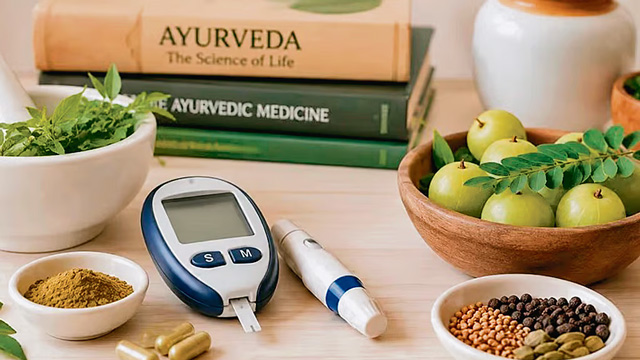
Type 2 diabetes mellitus is broadly associated with Prameha in Ayurvedic texts. The condition is linked to disturbances in the body's metabolic processes, particularly those involving Mamsa (muscle tissue) and Meda Dhatu (adipose tissue).
Excessive and turbid urination are among the characteristic manifestations described under Prameha. Ayurvedic texts also identify Poorvaroopa, or premonitory symptoms, which may appear before the disease becomes fully established. These include excessive sweating accompanied by unpleasant body odour, muscle looseness, persistent tiredness, mental fatigue, a sweet taste in the mouth, occasional burning sensations in the palms and soles, and dryness of the mouth. However, these symptoms are not specific to diabetes and cannot replace blood glucose testing.
At this stage, Ayurveda emphasises Pathya, which involves a suitable diet and lifestyle, along with regular physical activity and individually assessed therapies.
As the condition progresses, individuals may experience a decline in muscle mass and strength, along with other complications. Ayurvedic descriptions associate different manifestations with the predominance of Vata, Pitta and Kapha. Vata-related symptoms may include pain in the hands and legs, disturbed sleep, dryness of the mouth, weight and muscle loss, cough, breathlessness and digestive disturbances. Pitta-related manifestations may include burning sensations, persistent thirst, sour belching, occasional loose stools and feverishness. Kapha-related symptoms may include poor digestion, loss of appetite, excessive sleepiness and productive cough accompanied by nasal congestion.
Ayurveda describes Panchakarma therapies as part of its traditional approach to metabolic disorders. Procedures such as Vamana and Virechana are undertaken after preparatory measures, including Snehapana, which involves the prescribed intake of ghee or oil. Such procedures require supervision by qualified practitioners and should not replace evidence-based diabetes treatment.
Dietary management traditionally focuses on avoiding excessive consumption of foods considered to aggravate Kapha and Pitta, including overly sweet, sour and spicy preparations. For individuals already diagnosed with diabetes, the Ayurvedic approach traditionally focuses on managing symptoms and supporting metabolic health alongside appropriate medical care.
Ayurveda describes Type 1 diabetes under Sahaja Prameha, traditionally associated with congenital or inherited factors, while Type 2 diabetes is linked to lifestyle-related causes under Apathya Nimittaja. However, Type 1 diabetes is distinct from Type 2 and requires insulin therapy.
The broader message from Ayurveda's description of Prameha is the importance of recognising metabolic changes early and adopting sustained lifestyle measures. Regular screening, balanced dietary choices, physical activity and consistent medical care remain essential in reducing the long-term burden of diabetes.