Daijiworld Media Network - Mumbai
Mumbai, Nov 15: The birth of a baby is usually associated with cuddling, breastfeeding and skin-to-skin bonding. However, the experience can be different for parents of premature babies, who often have to watch their newborns receive medical care inside incubators. While mothers may be concerned about their baby's health, they may also face difficulties with breastfeeding when the infant is not yet ready to feed directly.
Expressing breast milk offers mothers an opportunity to provide essential nutrition to their babies while remaining actively involved in their care and development.
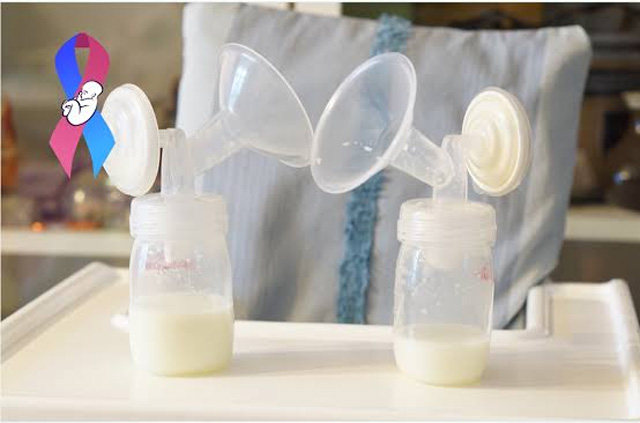
Mother's milk plays a particularly important role in the growth of premature babies, whose bodies may not have fully developed. Such infants can experience digestive difficulties and have weaker immune systems. Breast milk provides essential nutrients that support their growth and help strengthen their immunity.
Colostrum, the first milk produced after childbirth, is especially beneficial. Mother's milk supports the development of the baby's digestive system and helps reduce the risk of necrotising enterocolitis (NEC), a serious intestinal condition that is more common among premature infants. When mother's milk is unavailable, pasteurised donor breast milk may be considered as an alternative.
Premature babies admitted to neonatal intensive care units (NICUs) may be too small or medically unstable to breastfeed directly. Some may also be unable to coordinate sucking, swallowing and breathing. In such situations, regular milk expression helps stimulate and maintain the mother's milk supply until the baby is ready to latch.
Mothers are encouraged to begin expressing milk as soon as they are medically able, preferably within the first few hours after delivery. During the initial weeks, expressing milk eight to 10 times in 24 hours is generally recommended to establish an adequate supply. This should be done in consultation with the NICU medical team.
Hospital-grade electric breast pumps can be useful when babies are unable to latch. Hand expression is another effective method, particularly for collecting small quantities of colostrum during the early days.
Producing only a few drops of milk initially should not discourage mothers. Many women may worry that their milk supply is inadequate or feel guilty when their babies require additional feeding support. However, the initial quantity of expressed milk does not necessarily indicate how much milk they will produce later.
Colostrum can be provided in small quantities according to the NICU team's guidance. In some cases, it may also be used for oral care when the baby is unable to feed by mouth. As the infant's condition improves, expressed breast milk can be administered through a feeding tube, with direct breastfeeding introduced when the baby becomes stable enough.
Kangaroo mother care, involving skin-to-skin contact, is also important when approved by the medical team. It helps strengthen the bond between mother and baby despite the challenges associated with premature birth.
While attention is often focused on the newborn, the mother's physical and emotional well-being also needs consideration. Frequent milk expression can be exhausting, particularly when mothers are recovering from childbirth, coping with anxiety and getting limited sleep.
Neonatal and lactation specialists can support mothers by demonstrating appropriate milk expression techniques, ensuring that breast pumps fit properly and helping them develop a manageable feeding schedule. They can also address concerns about milk production and provide guidance throughout the process.
The journey of a premature baby is marked by several small but meaningful milestones, from receiving the first drops of breast milk and the first tube feeding to being held for the first time and eventually returning home. Expressing milk allows mothers to participate in this journey even when direct breastfeeding is not immediately possible.
Not every mother may be able to establish or maintain an adequate milk supply, and this should never become a reason for guilt or blame. The priority is to support the mother and ensure that the baby receives appropriate nutrition. Physical separation caused by an incubator does not diminish a mother's love, care or contribution to her child's well-being.