Daijiworld Media Network - New Delhi
New Delhi, Dec 13: Congress MP Priyanka Gandhi Vadra on Saturday raised objections to the Centre’s reported plan to rename the Mahatma Gandhi National Rural Employment Guarantee Act (MGNREGA), saying such a move would result in unnecessary spending of public funds without offering any real benefit to citizens.
Her comments followed media reports suggesting that the Union Cabinet has cleared a Bill to rename the rural employment scheme and increase the guaranteed number of workdays. According to the reports, the programme may be rechristened as the Poojya Bapu Grameen Rozgar Yojna, with the annual employment guarantee proposed to be raised from 100 days to 125 days.
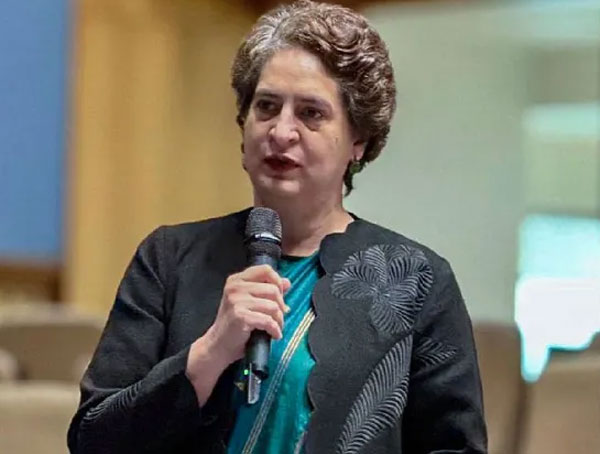
Speaking to the media, Priyanka Gandhi questioned the rationale behind altering the name of a scheme that has been in operation since 2005. She said changing the name would involve extensive administrative work, including rebranding documents and systems, which would entail additional costs for the exchequer.
She further pointed out that the scheme already bears the name of Mahatma Gandhi, making the proposed change difficult to justify. “Renaming everything involves a big process and costs money. What is the need for doing this at all?” she asked.
Backing her remarks, Congress MP Rajeev Shukla described the move as avoidable. Speaking to reporters he said the issue of removing Mahatma Gandhi’s name was being raised unnecessarily, adding that the name “Bapu” is commonly used across the country, including in Gujarat.
The BJP, however, strongly defended the reported proposal. BJP MP Brij Lal countered the criticism, saying the renaming was intended to honour Mahatma Gandhi and not undermine his legacy. He argued that as Gandhi is revered as the Father of the Nation, the move should be welcomed across party lines.
He also took a personal swipe at Priyanka Gandhi, alleging that her objections stemmed from the removal of the word “Gandhi” from the scheme’s title rather than any genuine concern over the policy.
MGNREGA currently provides a legal guarantee of at least 100 days of wage employment in a financial year to rural households willing to undertake unskilled manual work. The scheme is open to all adult rural residents above 18 years of age, with employment to be offered within 15 days of demand. Wages are paid directly into bank or post office accounts, ensuring equal pay for men and women, and the programme is implemented nationwide except in fully urban districts.