Daijiworld Media Network - Beijing
Beijing, Dec 29: China will reportedly begin paying interest on its official digital currency, the E-CNY or digital yuan, from January 1, in a move aimed at encouraging wider adoption after nearly a decade of pilot programmes and development.
According to an article by Lu Lei, deputy governor of the People’s Bank of China (PBOC), published in Financial News, commercial banks operating digital yuan wallets will now pay interest to users based on the amount of virtual currency they hold.
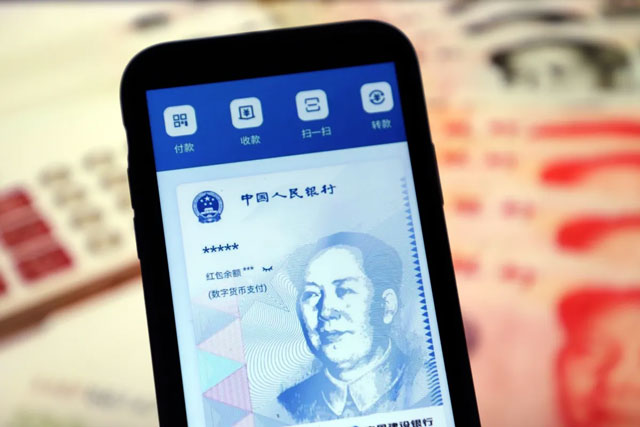
The move formally aligns the digital yuan with traditional bank deposits, granting it the same legal status as deposits held at commercial banks, a report in Singapore-based financial daily The Business Times said. The regulatory shift builds on China’s position as a global leader in official digital currencies since the digital yuan project was launched in 2014.
The push comes at a time when Chinese households have increased savings, while loan growth at commercial banks has weakened to record-low levels, leading to high deposit volumes and reduced lending activity.
Despite being piloted in more than half of mainland China’s provinces, the E-CNY has struggled to gain widespread traction. It continues to face strong competition from dominant private digital payment platforms such as WeChat Pay and Alipay.
China’s ambitions for cross-border digital payments have also faced hurdles. The multilateral mBridge project, aimed at facilitating international digital transactions, suffered a setback last year after the Bank for International Settlements withdrew, citing concerns over potential misuse and risks to the dominance of the US dollar.
Interest rates on demand deposits at China’s largest banks have fallen to around 0.05 per cent after years of rate cuts, creating challenges for banks managing large deposit volumes.
The PBOC has stepped up efforts to promote the digital yuan, including setting up a digital yuan operations centre in Shanghai to support cross-border payments, blockchain technology and digital asset development. In October, the Communist Party called for the “steady development” of the E-CNY in the next five-year plan.
Unlike the United States and several other countries that are moving towards privately issued stablecoins backed by cash-like assets, Chinese authorities continue to focus on the state-backed digital yuan, citing concerns over speculation, fraud and financial instability linked to private digital currencies.