Daijiworld Media Network – New Delhi
New Delhi, Jan 5: Cervical pain, commonly known as neck pain, refers to discomfort in the cervical spine area. It can range from a mild, dull ache to sharp, persistent pain and is often caused by poor posture, muscle strain, stress, or age-related wear and tear. Cervical pain may lead to stiffness, headaches and restricted movement, affecting daily activities.
Taking timely steps such as correcting posture, stretching regularly, applying heat or cold compresses, and staying physically active can significantly reduce discomfort. Along with these measures, practising yoga can be highly effective in relieving cervical pain.
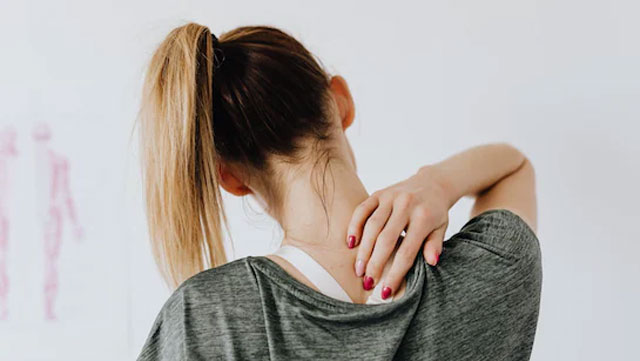
Yoga asanas help by improving flexibility, strengthening neck and shoulder muscles, enhancing blood circulation, decompressing spinal discs and reducing muscle tension around the cervical spine.
Here are some yoga poses that can be beneficial for people suffering from cervical pain:
Bhujangasana (Cobra Pose)
This pose activates the muscles along the spine and opens up the chest, countering rounded shoulders that often compress the cervical vertebrae. It helps reduce neck stiffness by stretching the front of the neck while strengthening the back muscles, promoting better alignment.
Setu Bandhasana (Bridge Pose)
Bridge pose creates a gentle stretch in the cervical spine, easing pressure on discs and nerves. It strengthens the lower body and back muscles, which indirectly improves posture and reduces strain on the neck.
Ardha Matsyendrasana (Half Spinal Twist)
This seated twist improves mobility in the cervical joints by reducing stiffness and enhancing circulation of synovial fluid. Regular practice helps maintain spinal flexibility and relieves built-up tension in the neck and upper back.
Gomukhasana (Cow Face Pose)
Cow Face Pose stretches the shoulders, upper back and rhomboid muscles, which are common areas for cervical tension. The arm positioning helps open the chest and correct posture, reducing strain on the neck.
Dhanurasana (Bow Pose)
Bow Pose flexes the entire spine and counters rigidity in the cervical region. It strengthens the back and stimulates internal organs, which can indirectly reduce nerve compression. Beginners can modify the pose by lifting only the chest.
Marjaryasana–Bitilasana (Cat–Cow Pose)
This gentle flow warms up the spine, improves cervical mobility and lubricates the joints. Coordinating breath with movement also calms the nervous system and prepares the neck for deeper stretches.
Practising these yoga asanas regularly, with proper alignment and breathing, can help manage cervical pain effectively. However, those with severe pain or existing medical conditions should consult a healthcare professional or a qualified yoga instructor before beginning any new exercise routine.