Daijiworld Media Network - California
California, Mar 13: A groundbreaking study by researchers at Stanford University suggests that remotely altering the gut microbiome by stimulating the vagus nerve—the key communication channel between the gut and the brain—could reverse memory loss linked to ageing.
The study, published in Nature, showed that age-related changes in the gut microbiome trigger an inflammatory response in the gastrointestinal tract, which in turn hampers signals from the vagus nerve to the hippocampus, a brain region vital for memory and navigation.
Senior author Christoph Thaiss explained, “We wanted to understand why some very old people remain cognitively sharp while others experience memory decline from their 50s or 60s. The timeline of memory decline is not hardwired; it’s actively regulated, and the gut plays a critical role in this process.”
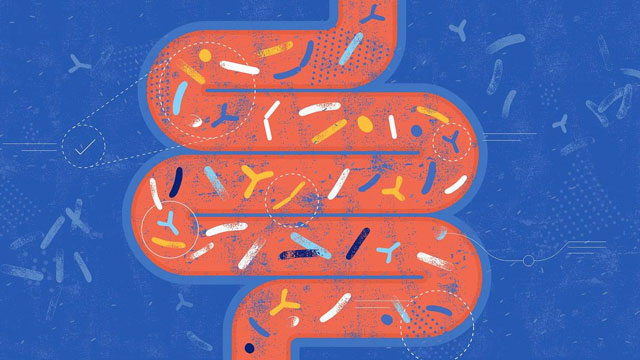
In experiments on mice, older animals exposed to vagus nerve stimulation demonstrated remarkable improvements, performing as efficiently in memory tasks as younger mice. Conversely, introducing gut bacteria from aged mice, particularly Parabacteroides goldsteinii, into young mice led to reduced memory performance and diminished hippocampal activity.
Senior author Maayan Levy added, “Processes in the brain can be modulated through peripheral intervention. Since the gut is easily accessible, modulating microbiome metabolites offers a promising strategy to control brain function.”
The study highlights how inflammation triggered by gut microbiome changes inhibits vagus nerve signaling and memory formation, while targeted stimulation of the nerve can restore cognitive abilities. Researchers believe this approach may pave the way for future therapies to combat age-related cognitive decline.