Daijiworld Media Network - New Delhi
New Delhi, Jan 7: A new social media trend dubbed “oatzempic” — involving blending oats with water or juice — has gone viral on platforms such as TikTok and Instagram, with influencers claiming it promotes easy weight loss and suppresses appetite. However, health experts say the trend has no scientific evidence to support such claims and should not be mistaken for a substitute for medical treatment.
The name “oatzempic” is inspired by Ozempic, a prescription drug used to treat type 2 diabetes and regulate appetite. In contrast, the viral drink usually consists of one to two tablespoons of rolled oats blended with water, sometimes with added lemon juice, cinnamon or soaked oats. Many videos suggest drinking it instead of breakfast or as a snack to curb hunger.
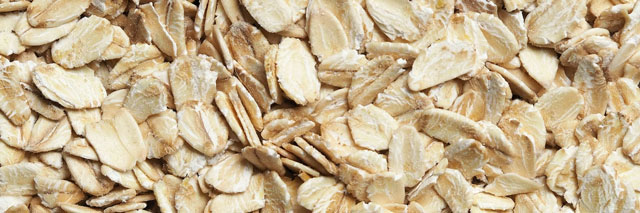
Nutrition experts explain that the feeling of fullness reported by users is expected, as oats are rich in beta-glucan, a soluble fibre that forms a gel in the stomach and slows digestion. This can help people feel full for longer and modestly improve blood sugar and cholesterol levels. Similar effects can also be achieved through other fibre-rich foods such as apples, citrus fruits, legumes, flaxseeds and barley.
However, experts stress that feeling full does not automatically translate into sustainable weight loss. There are no scientific studies examining the so-called “oatzempic drink” for appetite control or weight management, nor is there a standard recipe or recommended intake. Any weight loss experienced may simply be due to reduced calorie consumption or other lifestyle changes.
From a medical standpoint, oats are a healthy food when included as part of a balanced diet, but they do not act like Ozempic, which works by influencing hormones that regulate appetite and blood glucose. Relying on oats alone as a “magic drink” can also lead to nutritional gaps, as the mixture lacks adequate protein, healthy fats and essential micronutrients.
Health professionals say that while an oats-based drink may help some people slow down eating or make better food choices, a more balanced smoothie with fruits, protein and healthy fats would offer greater nutritional benefits. They also warn that a sudden increase in fibre intake can cause bloating or digestive discomfort, especially if water intake is insufficient.
Experts emphasise that sustainable weight management is best achieved through a combination of balanced meals, regular physical activity, adequate hydration, good sleep and stress management. Those seeking dietary guidance are advised to consult qualified health professionals rather than relying on viral trends.