Daijiworld Media Network – New Delhi
New Delhi, Jan 8: The Union finance ministry is considering scrapping restrictions imposed on Chinese companies bidding for Indian government contracts, as New Delhi looks to revive commercial engagement with Beijing amid easing diplomatic and border tensions, sources said.
The curbs were introduced in 2020 following a deadly clash between Indian and Chinese troops along the Line of Actual Control (LAC). Under the restrictions, firms from neighbouring countries, including China, were required to register with a government committee and secure political and security clearances before participating in public procurement. This effectively barred Chinese companies from competing for government contracts estimated to be worth between $700 billion and $750 billion.
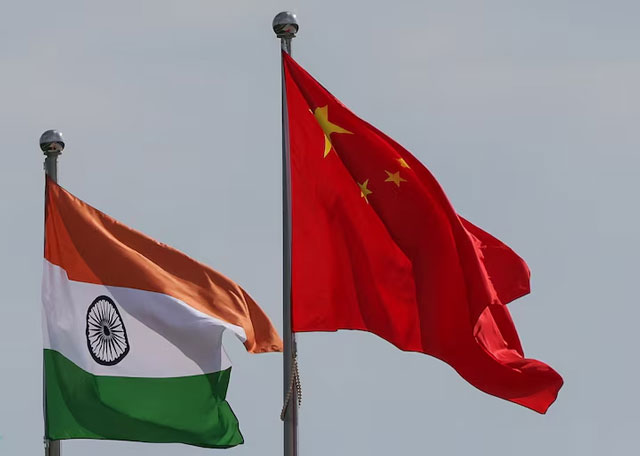
According to sources, officials are now working to remove the mandatory registration requirement for bidders from bordering nations. However, the final decision will rest with the Prime Minister’s Office, they added.
The impact of the 2020 measures was significant. China’s state-owned CRRC, for instance, was disqualified from bidding for a $216 million train manufacturing project shortly after the restrictions came into force. Data cited in a 2024 Observer Research Foundation report shows that the value of new projects awarded to Chinese firms fell by 27 per cent year-on-year to $1.67 billion in 2021.
Sources said several Union ministries have sought relaxation of the curbs, citing shortages and delays in critical infrastructure projects. In particular, restrictions on the import of Chinese equipment have reportedly affected the power sector, hampering India’s plans to expand its thermal power generation capacity to around 307 GW over the next decade.
A high-level committee headed by former cabinet secretary Rajiv Gauba has also recommended easing the restrictions. Gauba currently serves as a member of a top government think tank.
The move comes against the backdrop of improving India-China relations. Prime Minister Narendra Modi visited China last year for the first time in seven years, with both sides agreeing to strengthen commercial ties. The visit followed global trade shifts, including steep tariffs imposed by the US on Indian goods and changing geopolitical dynamics in the region.
Subsequently, India and China resumed direct flights, and New Delhi streamlined procedures to fast-track business visas for Chinese professionals. However, despite the thaw, India continues to maintain a cautious approach, with restrictions on foreign direct investment from Chinese firms still in place.
The finance ministry and the Prime Minister’s Office have not officially commented on the proposed changes.