Daijiworld Media Network - Tehran
Tehran, Jan 13: At least 650 people have been killed in a violent crackdown on protests in Iran, a rights group said on Monday, even as authorities organised mass nationwide rallies to reassert control amid mounting international pressure.
Norway-based NGO Iran Human Rights (IHR) said it had confirmed the deaths of 650 people, including nine minors, during the protests, adding that the actual toll could be far higher. “According to some estimates, more than 6,000 people may have been killed,” the group said, warning that a prolonged internet blackout was making independent verification extremely difficult. IHR also estimated that around 10,000 people have been arrested so far.
Rights groups have raised alarm over the ongoing internet shutdown, which monitoring group Netblocks said has lasted over three-and-a-half days, alleging it was intended to conceal the scale of the crackdown.
Amid the unrest, Iranian Foreign Minister Abbas Araghchi said Tehran was fully prepared for conflict but remained open to negotiations. “The Islamic Republic of Iran is not seeking war but is fully prepared for war. We are also ready for negotiations, provided they are fair, based on equal rights and mutual respect,” he said at a conference of foreign ambassadors in Tehran, broadcast on state television.
The comments came as US President Donald Trump claimed that Iran’s leadership had reached out seeking negotiations after he warned of possible military intervention if protesters were killed.
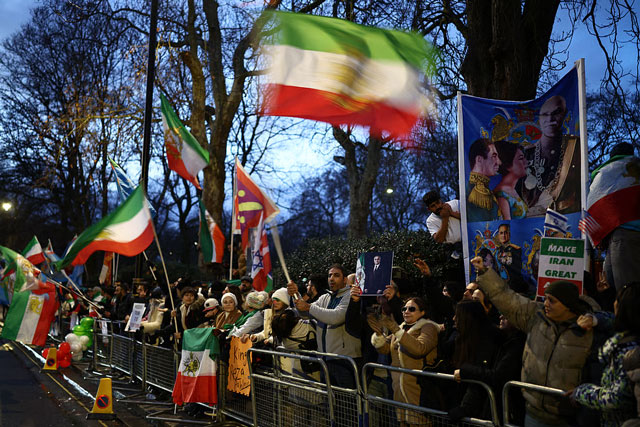
Protests that began over economic grievances more than two weeks ago have evolved into one of the most serious challenges to Iran’s theocratic system since the 1979 Islamic Revolution. Demonstrations have rocked major cities since last Thursday despite a heavy security presence.
On Monday, the Iranian government called for nationwide rallies in support of the Islamic Republic. Thousands gathered at Tehran’s Enghelab (Revolution) Square, waving national flags and offering prayers for victims of what authorities described as “riots”. Addressing the crowd, parliament speaker Mohammad Bagher Ghalibaf said Iran was fighting a “four-front war”, including economic, psychological and military fronts, as well as what he termed a fight against “terrorists”, referring to the protesters.
He warned that Iran’s military would give the United States “an unforgettable lesson” if the country were attacked, as crowds chanted slogans against Israel and the US.
Despite state media portraying a return to normalcy, reports and videos continued to emerge. One video verified by AFP showed dozens of bodies outside a morgue south of Tehran, with grieving relatives searching for loved ones.
Meanwhile, international reactions intensified. The European Union said it was considering additional sanctions against Iran over the repression, while the European Parliament announced a ban on Iranian diplomats from its premises. Iran’s foreign ministry summoned diplomats from France, Germany, Italy and the UK, demanding withdrawal of statements supporting the protesters.
French President Emmanuel Macron condemned what he described as “state violence that indiscriminately targets Iranian women and men who courageously demand respect for their rights”.
Russia, a key ally of Tehran, criticised what it termed attempts by “foreign powers” to interfere in Iran’s internal affairs.
In a related development, Reza Pahlavi, the US-based son of Iran’s last shah, urged members of Iran’s security forces and state institutions to side with protesters, calling on them to reject “complicity with the murderers of the people”.