Daijiworld Media Network – New York
New York, Jan 25: Researchers have developed new prognostic nomograms using data from the Surveillance, Epidemiology, and End Results (SEER) database to better predict survival outcomes in patients with acute erythroid leukemia (AEL), a rare and highly aggressive subtype of acute myeloid leukemia.
Acute erythroid leukemia is known for its poor prognosis and lack of a standardised treatment approach. Its rarity and complex biology often make conventional staging systems less reliable in predicting patient outcomes.
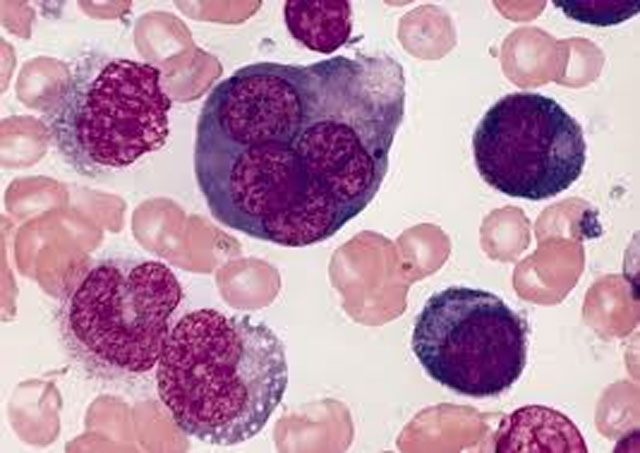
In a retrospective study analysing SEER data from 2000 to 2021, researchers identified 778 patients diagnosed with AEL. These patients were randomly divided into a training cohort of 544 patients and a validation cohort of 234 patients. Using Cox regression analysis, the team identified independent prognostic factors for overall survival (OS) and cancer-specific survival (CSS), which were then incorporated into two nomogram models.
Key prognostic factors
Multivariable analysis revealed four factors independently associated with both overall and cancer-specific survival:
• Age
• Receipt of chemotherapy
• Marital status
• Whether the leukemia was a first primary malignancy
The nomograms showed moderate predictive accuracy, with concordance indices of 0.669 for overall survival and 0.665 for cancer-specific survival in the training cohort. Similar performance was observed in the validation cohort, with concordance values of 0.654 and 0.661, respectively.
Receiver operating characteristic (ROC) analysis supported the models’ predictive reliability, while calibration curves demonstrated good agreement between predicted and observed survival outcomes. Decision curve analysis suggested the nomograms could offer meaningful clinical benefit across a range of decision thresholds.
Based on the nomogram-derived scores, researchers also developed a risk stratification system, dividing patients into high-risk and low-risk groups, with significantly different survival outcomes.
Limitations and future scope
The researchers noted that while the nomograms use routinely available clinical variables, a key limitation of the SEER database is the lack of molecular and genetic information, including data on TP53 mutations, which are known to influence disease behaviour and survival.
They emphasised that external validation in independent patient cohorts will be required before these models can be widely adopted in clinical practice.
The study highlights the potential of population-based data to improve prognostic assessment in rare and aggressive cancers such as acute erythroid leukemia.