Media Release
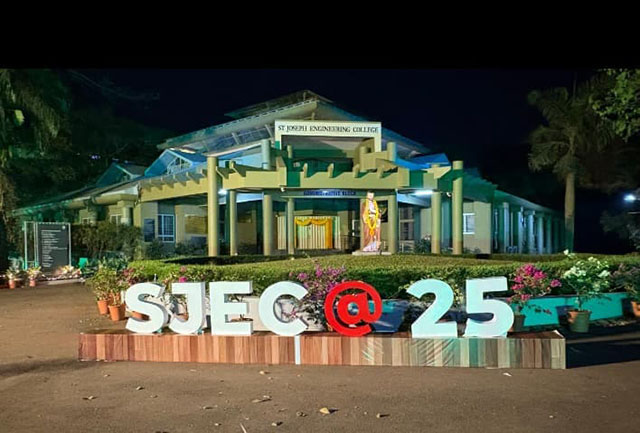
Mangaluru, Feb 12: St Joseph Engineering College (Autonomous), Mangaluru, an autonomous institution affiliated to Visvesvaraya Technological University (VTU), Belagavi, is marking 25 years of its journey in higher technical education as it enters its Silver Jubilee year. The institution is NAAC A+ accredited, with multiple academic programmes accredited by the National Board of Accreditation (NBA), reflecting its sustained commitment to academic quality, relevance, and outcomes.
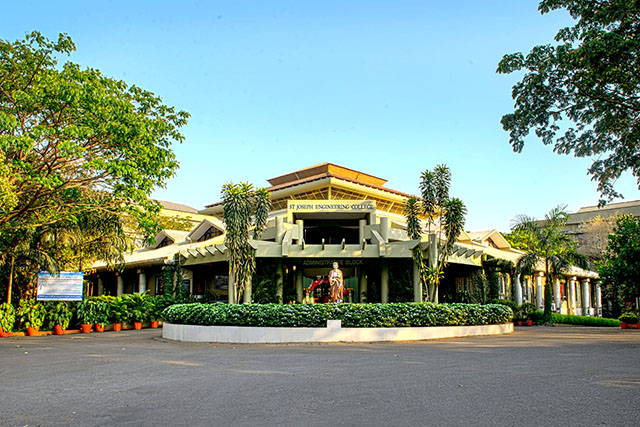
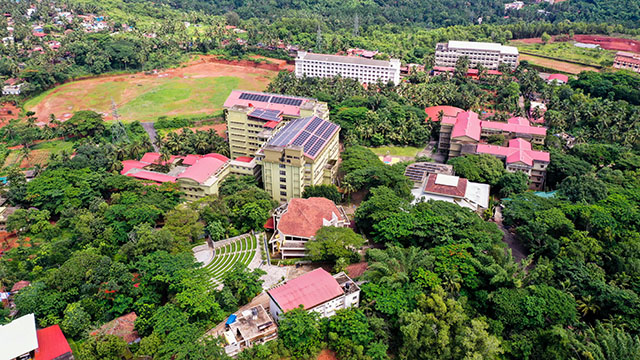
Situated on a green and serene campus at Vamanjoor, Mangaluru, St Joseph Engineering College (SJEC) has steadily evolved over the past two and a half decades into one of the region’s respected centres of professional education. From its founding in 2002 to its present status as an autonomous institution, SJEC’s journey has been shaped by a clear vision, strong governance, and a deep-rooted belief in education as a transformative force for individuals and society.
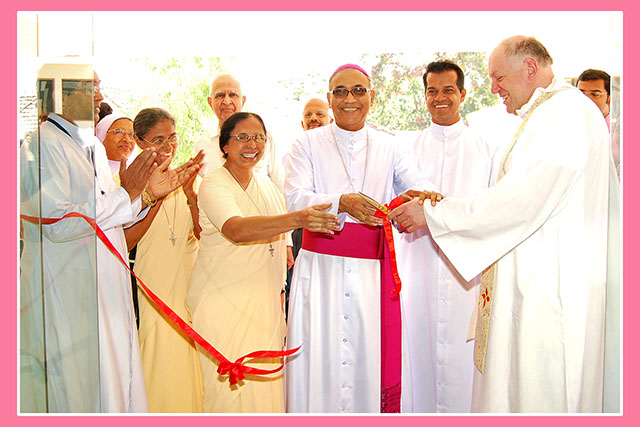
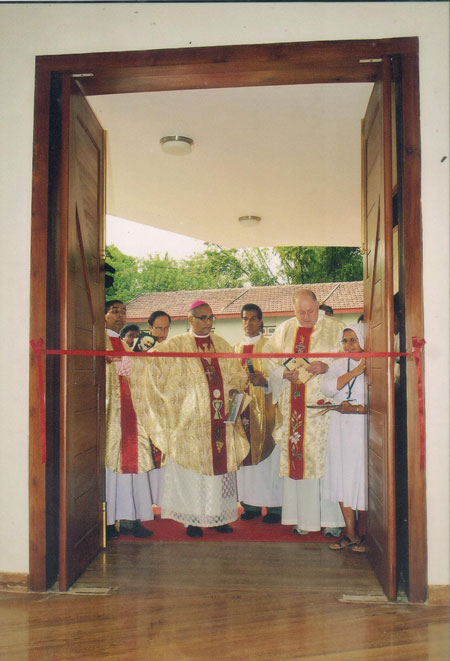

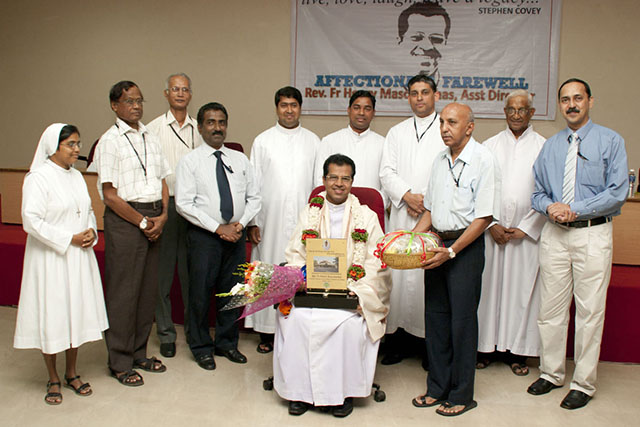
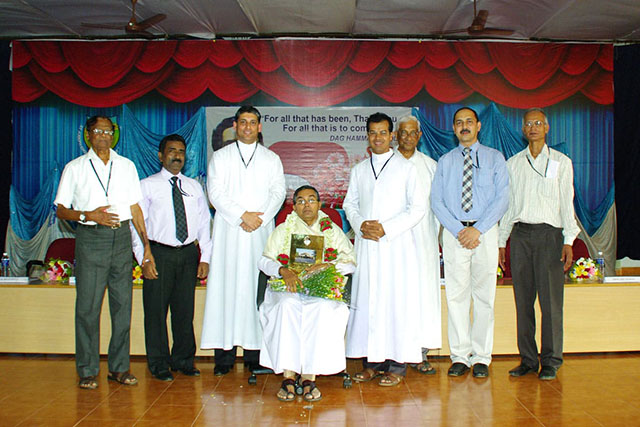
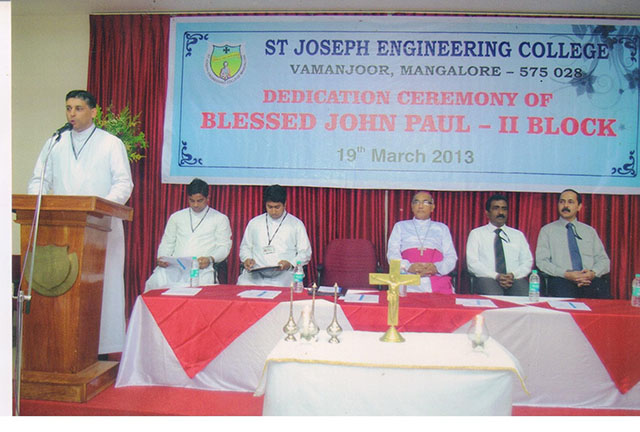
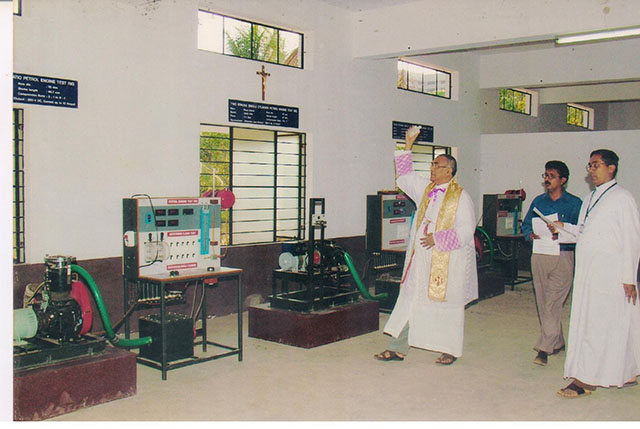
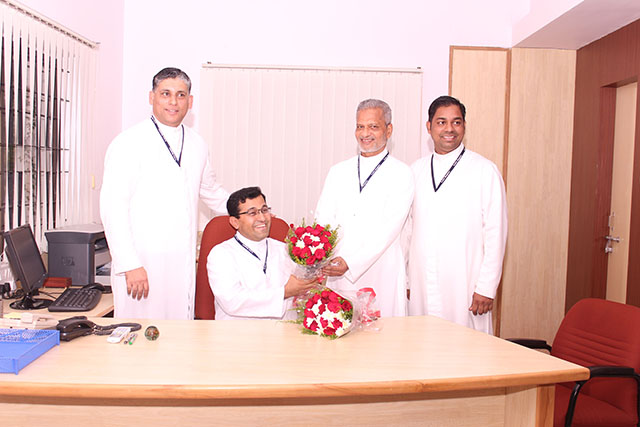
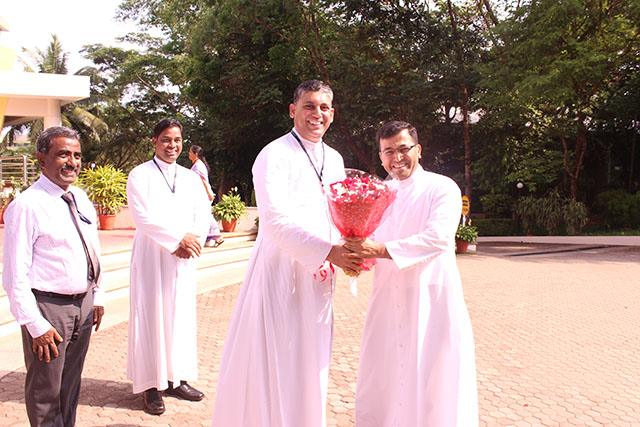
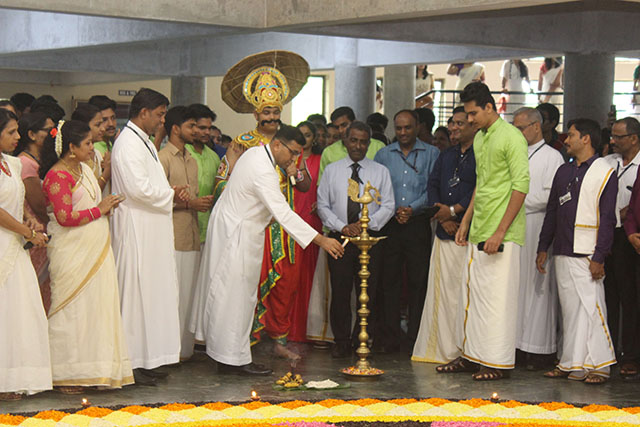
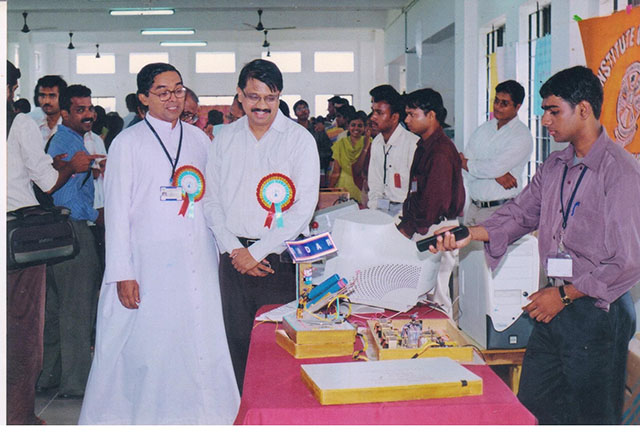
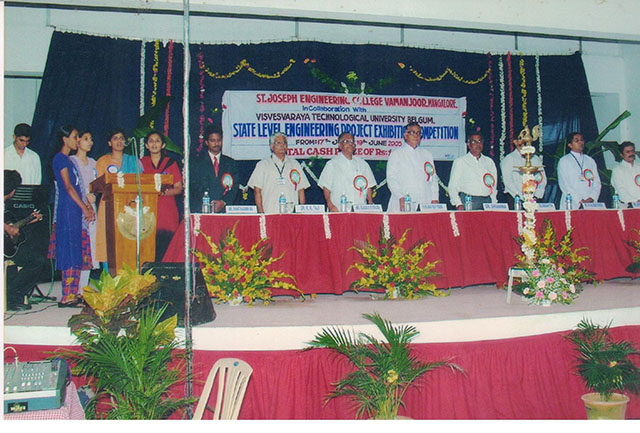
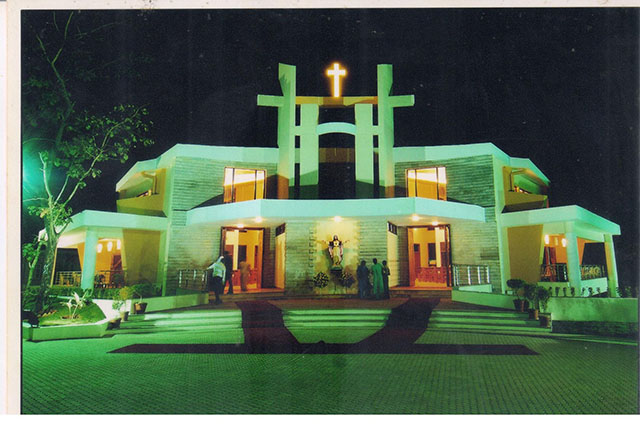
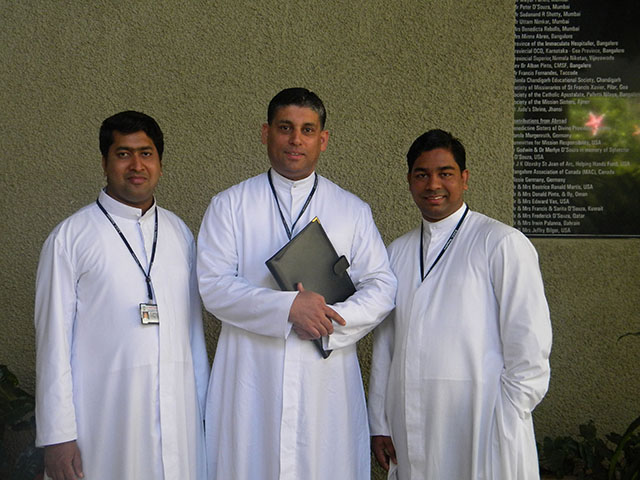

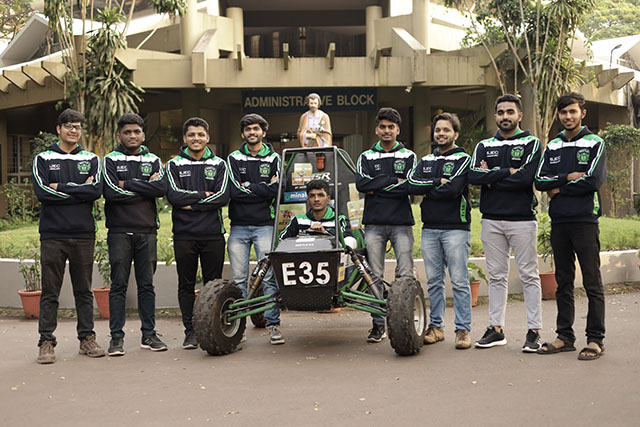
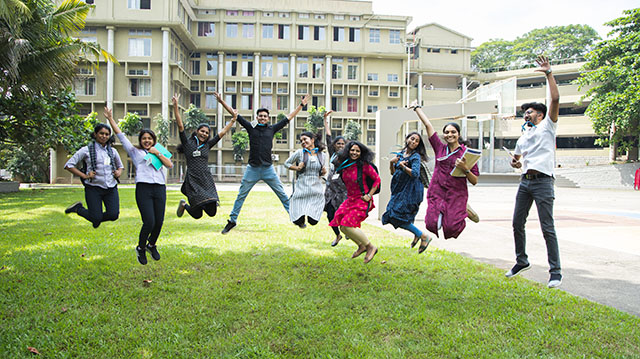
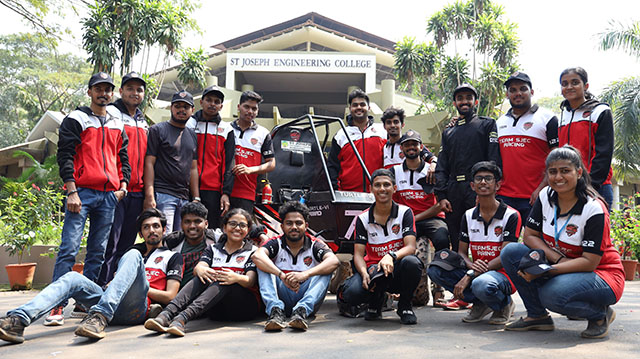
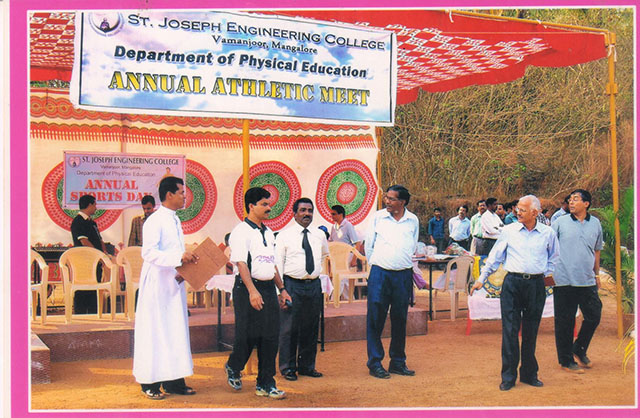
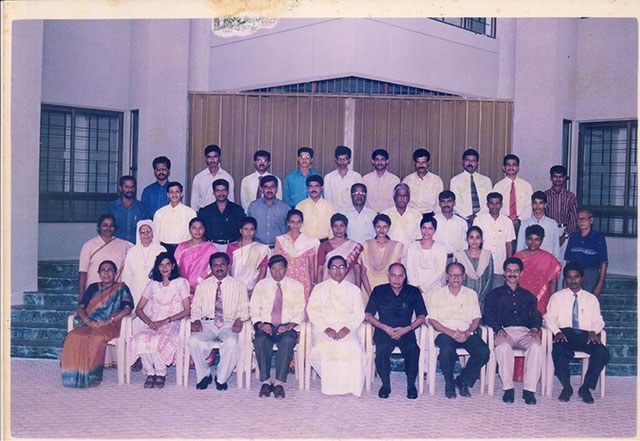
Founded as the dream project of Dr Aloysius Paul D’Souza, then bishop of the diocese of Mangalore, SJEC was envisioned as a centre of quality technical education rooted in ethics, discipline, and service. His foresight and perseverance laid the foundation for what has today become a vibrant academic institution serving students across engineering, management, and computing disciplines.
From its inception, the institution was strengthened by the guidance and administrative support of Msgr Fred V Pereira, then vicar general of the diocese of Mangalore and vice president of SJEC, along with a committed group of professionals and well-wishers including Prof Aloysius Sequeira, Felix Albuquerque, Marcel Monteiro, Rajan D’Souza, and Edmund Frank. Together, they ensured that SJEC was built on strong administrative, professional, and socially responsible principles.
Today, the institution is guided by Dr Peter Paul Saldanha, bishop of Mangalore and president of SJEC, whose pastoral leadership continues to inspire the college’s mission of value-based education. The college has also benefitted from the guidance of vice presidents Msgr Dennis Moras Prabhu, former vicar general, and Msgr Maxim Lawrence Noronha, the current vicar general of the diocese of Mangalore, whose support ensured continuity and governance stability during different phases of growth.
Humble Beginnings and Strong Foundations
SJEC began its academic journey with four undergraduate engineering programmes—computer science & engineering, electronics & communication engineering, electrical & electronics engineering, and mechanical engineering—each with an intake of 60 students, under affiliation to VTU. From the outset, the institution placed equal emphasis on academics, discipline, character formation, and infrastructure development.
The early years were marked by simplicity and sincerity. With deeply committed faculty, close mentoring of students, and an uncompromising focus on values, SJEC built a culture where purpose mattered more than scale. What the institution lacked in size during its initial years, it compensated for through dedication and clarity of mission.
A defining role in this formative phase was played by Fr Valerian D’Souza, the Founder Director of SJEC, whose perseverance, personal sacrifice, and tireless efforts laid the groundwork for sustained institutional growth. He was ably supported by Fr Henry Mascarenhas, former assistant director, whose contributions were instrumental in the development of campus infrastructure and hostels, strengthening the physical and residential ecosystem of the college.
The academic ethos of the institution was firmly anchored by Prof Sudhakar Shetty, the founder principal, followed by Dr R K Yaji, former principal, who introduced robust academic and administrative systems that continue to quietly but steadfastly serve the institution even today. His emphasis on processes, quality benchmarks, and long-term thinking enabled SJEC to transition from a phase of growth to one of maturity. Strengthening academic rigour during this phase was Prof Jayakara Hegde, former dean – academic affairs, who played a pivotal role in ensuring consistency and coherence in teaching–learning practices. Dr Yaji was succeeded by Dr Joseph Gonsalvis, a distinguished academician and leader, who has further strengthened the academic culture of the institution through his calm, principled leadership and deep commitment to quality education.
Expansion, Accreditation, and Transformation
As SJEC progressed, it responded proactively to societal and industry needs by introducing new programmes such as information science & engineering, civil engineering, MBA, and MCA. Student intake increased steadily, infrastructure expanded, and the campus evolved into a vibrant academic environment.
The decade beginning around 2010 marked a major turning point. The early adoption of Outcome-Based Education (OBE) in 2011 and a focused pursuit of NBA accreditation triggered a cultural transformation across the institution. These efforts instilled confidence—confidence to benchmark nationally, strengthen industry linkages, and expand research and innovation activities.
A significant phase in SJEC’s ascent came under the leadership of Fr Joseph Lobo, former director, whose tenure was marked by institutional consolidation, accreditation milestones, and strategic positioning. His emphasis on professional governance, strong administrative systems, faculty development, and institutional benchmarking laid foundations that continue to guide SJEC’s culture and growth. Supporting this journey were Fr Rohith D’Costa and Fr Ajith Menezes, former assistant directors, whose people-centric leadership contributed meaningfully to institutional strengthening.
Autonomy, Leadership, and the Road Ahead
In recent years, SJEC has achieved several defining milestones, including NAAC A+ accreditation and the successful transition to autonomous status, enabling greater academic flexibility, innovation, and responsiveness to emerging educational needs.
A central figure in this phase has been Dr Rio D’Souza, the current principal, whose leadership has had a transformative impact across academics, accreditation, research, innovation, faculty development, and student success. His consistent focus on quality and outcomes has helped shape SJEC into a progressive, student-centric institution with growing national visibility.
Dr Purushothama Chippar, former vice principal of SJEC, played a pivotal role in strengthening the institution’s research ecosystem. His leadership significantly enhanced research outcomes and funding, while also spearheading innovation initiatives through the SJEC AICTE IDEA Lab, NAIN funding, and formulation of institutional startup policies.
Guiding the institution forward is Fr Wilfred Prakash D’Souza, director of SJEC, whose calm yet decisive leadership has helped consolidate achievements while charting a confident course for the future. He is supported by Fr Kenneth Crasta, the current assistant director and a proud alumnus of SJEC, representing continuity, institutional memory, and commitment to student engagement. Supporting this journey was Fr Alwyn D’Souza, former assistant director, SJEC whose support helped to witness remarkable achievements, including NAAC accreditation and the successful transition to autonomy.
A Journey of Gratitude and Purpose
As SJEC celebrates its silver jubilee, the institution pauses to remember with gratitude the collective efforts of former directors, principals, deans, heads of departments, faculty members, staff, students, alumni, governing board members, and well-wishers who have contributed—often quietly—to building the institution brick by brick, year by year.
While the silver jubilee marks an important milestone, SJEC views it not as a culmination, but as a renewed beginning. With strong foundations, a vibrant present, and an ambitious vision for the future, the college continues its journey—committed to nurturing excellence, inspiring innovation, and serving society with purpose.
The journey continues.