Daijiworld Media Network – Thiruvananthapuram
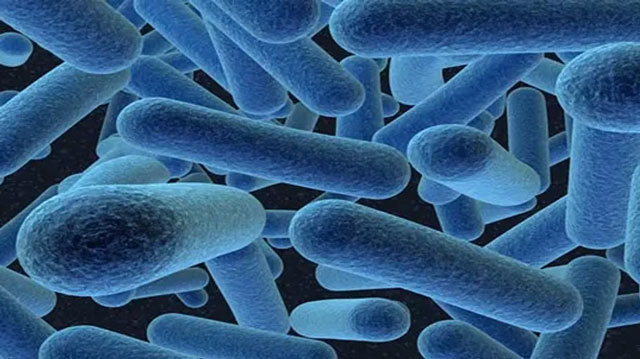
Thiruvananthapuram, Feb 13: In a first-of-its-kind initiative in the country, Kerala has officially declared a ‘state microbe’ — the bacterium Bacillus subtilis. The announcement was made during the inauguration of the Centre of Excellence in Microbiome (CoEM) in Thiruvananthapuram.
Guided by the motto ‘Microbes for Life’, the centre will focus on understanding how microorganisms influence sustainability, health and the environment. According to CoEM director Sabu Thomas, the facility is the first organisation in India to unify microbiome-based translational research across human health, nutrition, agriculture, fisheries and environmental protection.
Unlike conventional research institutions that function in silos, CoEM adopts an integrated approach by studying microbes across humans, animals, plants, aquatic systems and environmental media, aiming to translate scientific knowledge into real-world benefits. The centre will also provide a platform for young entrepreneurs to advance microbiome-based research and innovation.
Scientist Karthika S said CoEM operates through two specialised wings — one dedicated to interdisciplinary research and product development, and the other focused on big data and artificial intelligence-driven spatio-temporal mapping of microbiome data. Currently, the centre is mentoring two startups, one working on soil microbiomes and another on microbes derived from fermented foods and biodegradable waste.
The selection of Bacillus subtilis followed extensive deliberations by a government-appointed committee comprising researchers, doctors and professors. Naturally found in soil, water, the human gut and fermented foods, the bacterium is known for its resilience and safety.
In Kerala, its presence has been widely reported across diverse landscapes including mangrove forests, waterbodies and traditional fermented food items. In agriculture, it acts as a bio-fertiliser enhancing crop yield and as a biocontrol agent against plant diseases. Industrially, it is used for enzyme production, while environmentally, it aids wastewater treatment and purification. Significantly, it functions as a probiotic supporting human and animal health.
India already has a national microbe — Lactobacillus bulgaricus — but experts note that awareness about beneficial microbes at the community level is increasingly vital, especially for gut health.
Medical practitioners highlight that the gut, often described as the body’s ‘second brain’, plays a critical role in physical and mental well-being. General physician Dr Satish Nayak observed that microbes such as Bacillus subtilis help manage chronic conditions including irritable bowel syndrome (IBS), constipation and diarrhoea. Modern lifestyle factors — stress, unhealthy diet and overuse of antibiotics — are known to disrupt essential gut bacteria, he noted, recommending natural sources like curd, yoghurt, buttermilk and the Japanese fermented food Natto to maintain microbial balance.
Studies indicate growing concern. One report cited an IBS prevalence of 12.27 per cent, linked to diet as well as stress, anxiety and depression. A 2017 statewide survey found more than 2,000 of 2,142 patients suffering from various forms of irritable bowel disease (IBD). A 2025 study published in the ‘Journal of Family Medicine and Primary Care’ reported a 66.4 per cent prevalence of functional gastrointestinal disorders (FGIDs) among adults in Kerala, recommending strengthened healthcare programmes focusing on FGIDs and probiotics.
Recent research has also suggested that alterations in the gut microbiome may increase the risk of neurodegenerative disorders such as Parkinson’s disease, pointing to possible links between lifestyle-driven microbial imbalance and disease progression.
Wellness coach Rajiv Ambat welcomed the ‘state microbe’ declaration, stating that awareness can help address the rising incidence of gut-related disorders among Malayalis. He pointed out that unhealthy habits such as excessive junk food consumption, alcohol intake, smoking, irregular food timings, excess caffeine and irrational antibiotic use adversely affect the gut microbiome. Deficiency of beneficial microbes, he added, can impact hormonal balance, including serotonin levels, potentially leading to mood disorders and reduced productivity.
Clinical dietician Gayathri V emphasised that microbial imbalance is also associated with obesity and metabolic disorders. Fermented milk drinks and kombucha, rich in beneficial bacteria, are increasingly popular for supporting digestion and weight management. She stressed the importance of fibre-rich foods that act as prebiotics — the fuel for healthy gut microbes — underscoring that balanced diet, adequate hydration and regular exercise remain fundamental to holistic wellness.
Traditional fermented foods continue to hold relevance. Pazhankanji (fermented rice gruel) has recently been endorsed by Stanley Medical College as a gut-friendly superfood. Other fermented staples such as appam, idli, dosa, brine pickles and sambharam (spiced buttermilk) are also recommended.
Across India, traditional fermented drinks include kanji from the north (fermented beetroot and carrot in mustard water), tanka torani from the east (spiced fermented rice water) and ambil from the west (millets fermented in buttermilk). Curd remains central to Kerala cuisine, forming the base of dishes such as pachadi, kichadi, inji-thairu and pulissery, besides regional variants of avial.
Newer probiotic beverages such as kombucha and tepache — brewed from pineapple skin fermented with jaggery and cinnamon — are gaining popularity, alongside global favourites like sauerkraut, kefir and miso.
Experts say Kerala’s declaration of Bacillus subtilis as the ‘state microbe’ sends out a larger message — that in a post-pandemic world, understanding and nurturing beneficial microbes is essential for sustainable living and public health.