Daijiworld Media Network - Dubai
Dubai, Feb 26: British passport holders residing in the Gulf, including the United Arab Emirates, have been cautioned over sweeping new entry rules introduced by the United Kingdom from February 25, 2026, which could significantly affect travel for dual nationals.
The latest phase of the UK’s digital border overhaul centres on the Electronic Travel Authorisation (ETA) system and stricter documentation checks, particularly impacting British citizens who also hold another nationality.
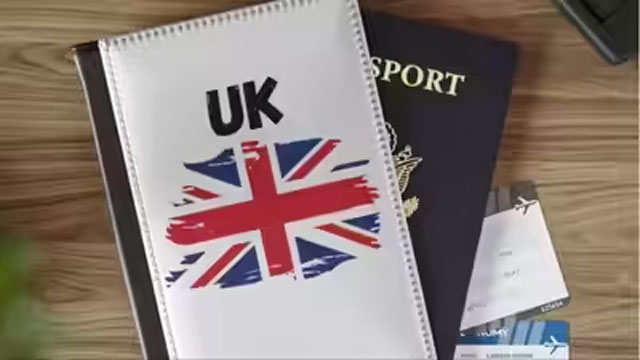
Under the revised regulations, British dual nationals can no longer travel to the UK using only their foreign passport, even if they previously relied on their right of abode at the border.
They must now present either:
• A valid British passport, or
• A Certificate of Entitlement to the Right of Abode
Without one of these documents, airlines, ferry operators or train services are legally required to deny boarding before departure.
The Certificate of Entitlement, which is attached to a foreign passport as proof of entry rights, costs approximately £589 — significantly higher than a standard British passport application fee of about £94.50. Critics argue that the new rules effectively place additional financial and administrative burdens on dual nationals.
The changes are part of the UK’s Electronic Travel Authorisation scheme, introduced as part of a wider border digitisation drive. The ETA functions similarly to the US ESTA system.
Under the new framework:
• Nationals of visa-exempt countries, including the US, Canada, Australia and EU member states, must obtain an ETA before travelling to the UK.
• The ETA is digitally linked to a passport and generally valid for multiple entries over two years or until passport expiry.
• British and Irish citizens are exempt from ETA requirements.
However, dual nationals attempting to travel using only their non-British passport cannot apply for an ETA as they are technically British citizens and must prove their right of entry through proper documentation.
The rule change has practical consequences for British expats in the UAE and across the Gulf, many of whom frequently travel to the UK for work, family visits and holidays.
Key concerns include:
• Denied boarding for travellers lacking a valid British passport.
• Processing delays for those applying for a first-time British passport, including children born abroad to British parents.
• High costs and waiting periods associated with Certificates of Entitlement.
• Uncertainty over whether expired British passports will be accepted by airlines.
Social media platforms and travel forums have reported cases of dual nationals discovering the new requirements only at airports or during flight bookings, triggering last-minute passport applications and disrupted travel plans.
The rollout has drawn criticism from political figures, including members of the Liberal Democrats, who have urged authorities to reconsider or revise the policy. Campaigners argue that British citizens should not face barriers to entering their own country because of dual nationality.
However, the UK Home Office maintains that awareness campaigns have been underway since 2023 and says the measures are necessary to strengthen border security, modernise immigration screening and streamline digital entry procedures.
British dual nationals planning travel to the UK are advised to:
• Ensure they hold a valid British passport before booking travel.
• Apply early, as overseas passport processing may take several weeks or months.
• Consider a Certificate of Entitlement only if necessary, factoring in cost and timelines.
• Check airline and carrier policies carefully, as no ETA workaround exists for dual nationals.
• Monitor official updates through UK government channels.
With the new system now fully enforced, travellers from the UAE and other regions are urged to prepare well in advance to avoid denied boarding or unexpected travel disruptions.